Fokida - Central Greece (Greece)
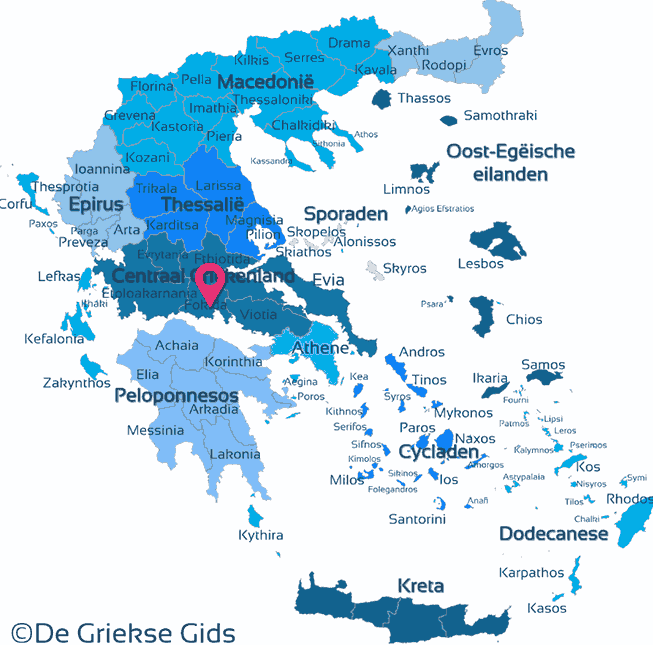
Fokida. The prefecture of Fokida (Phocis) is centrally located in Central Greece, north of the Corinthian gulf. It is a green mountainous area, on the Corinthian Gulf with several small beaches. Capital of Prefecture Fokida is the town Amfissa (7,000 inhabitants). This town, between the mountains Giona and Parnassos, was built in the Middle Ages and was called Salona. According to the ancient Greek writer Pausanias, this town was once a big vibrant city with 70,000 inhabitants.
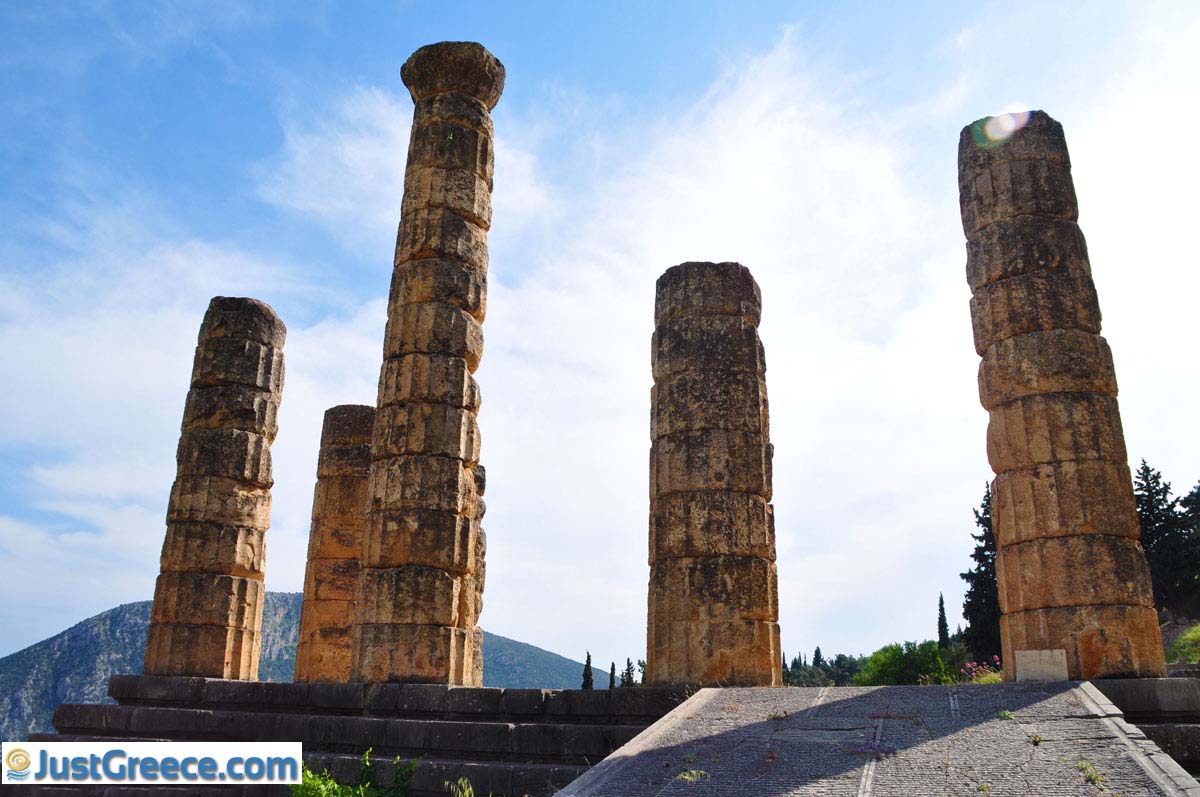
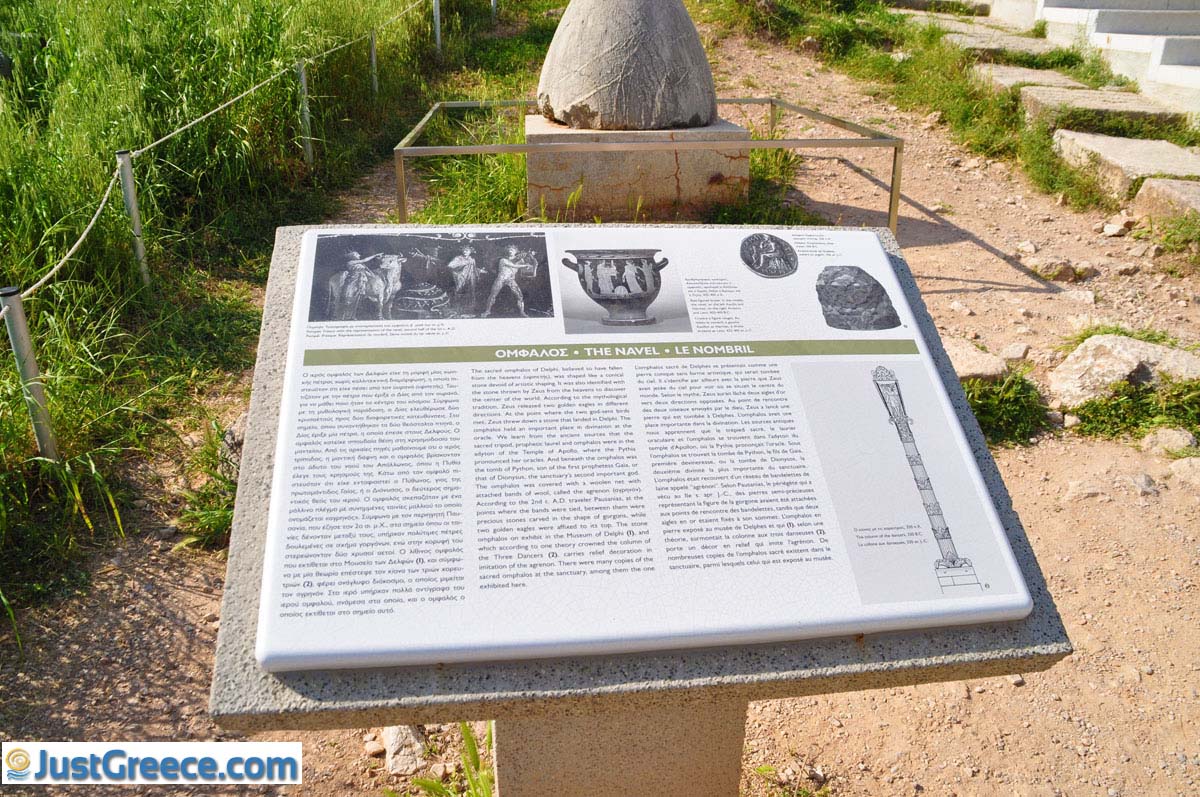
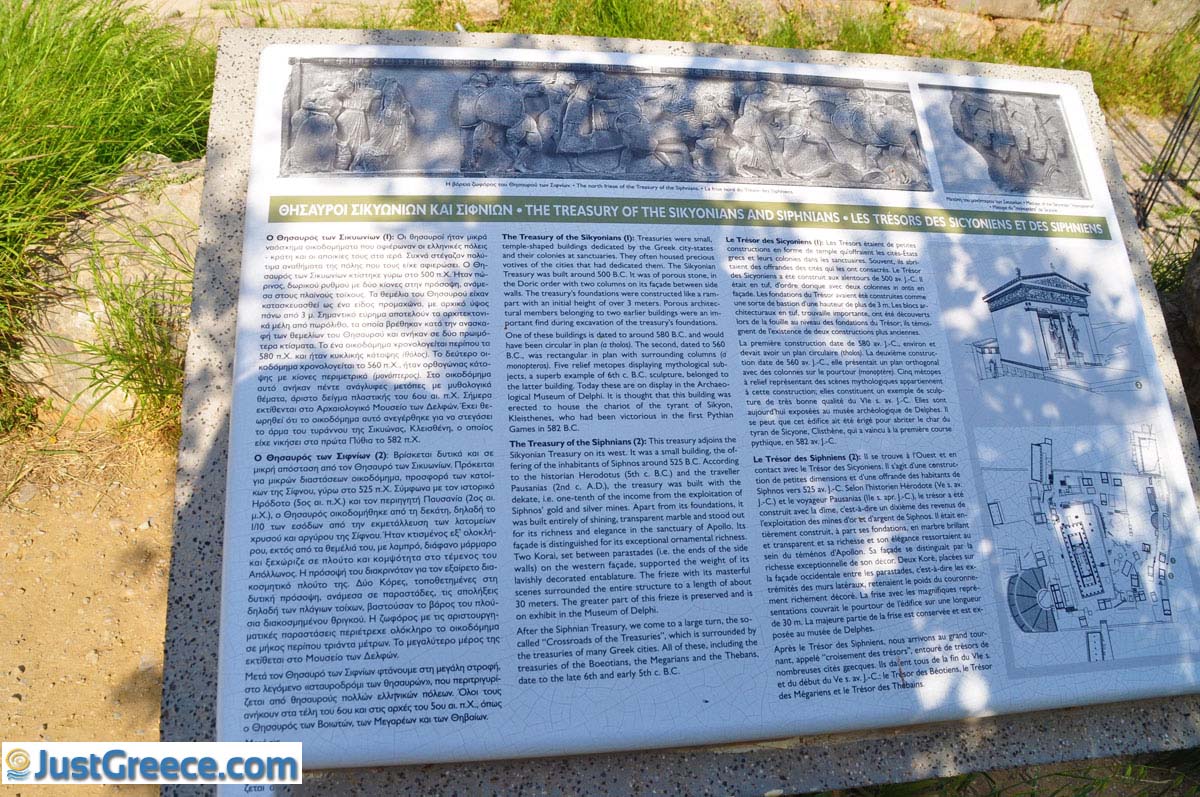
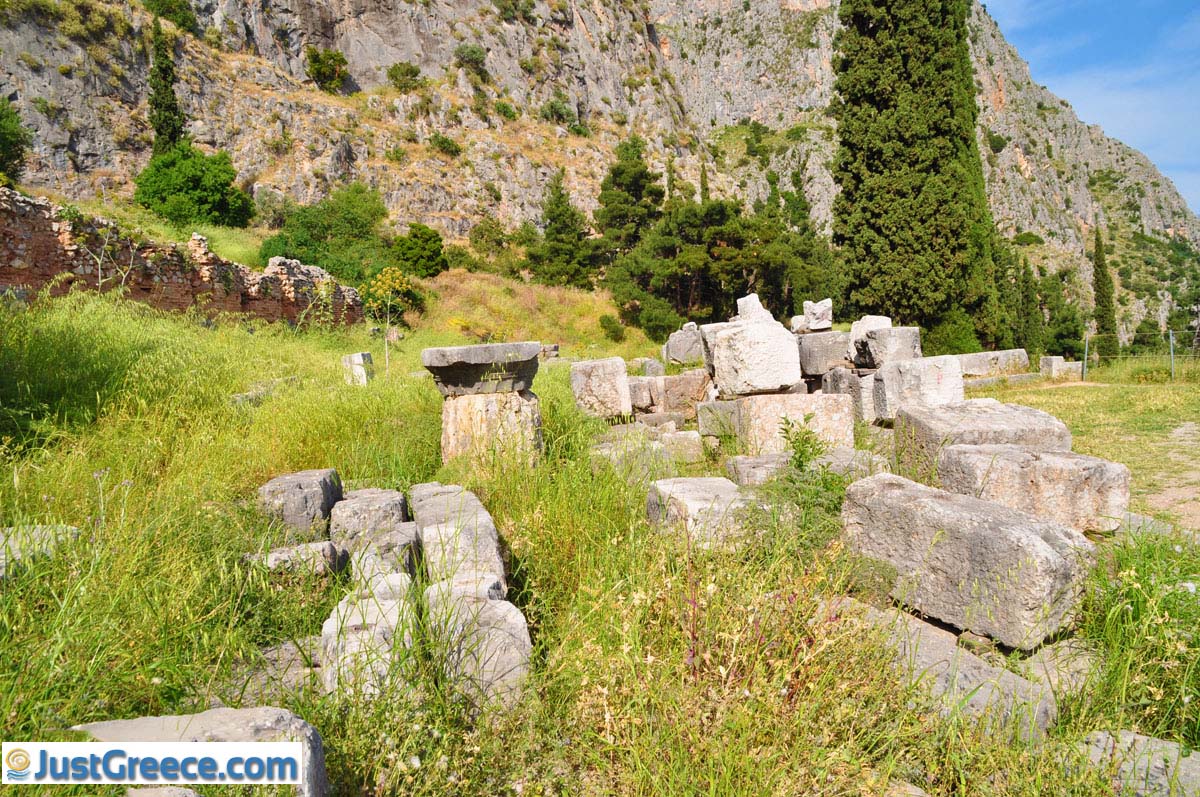
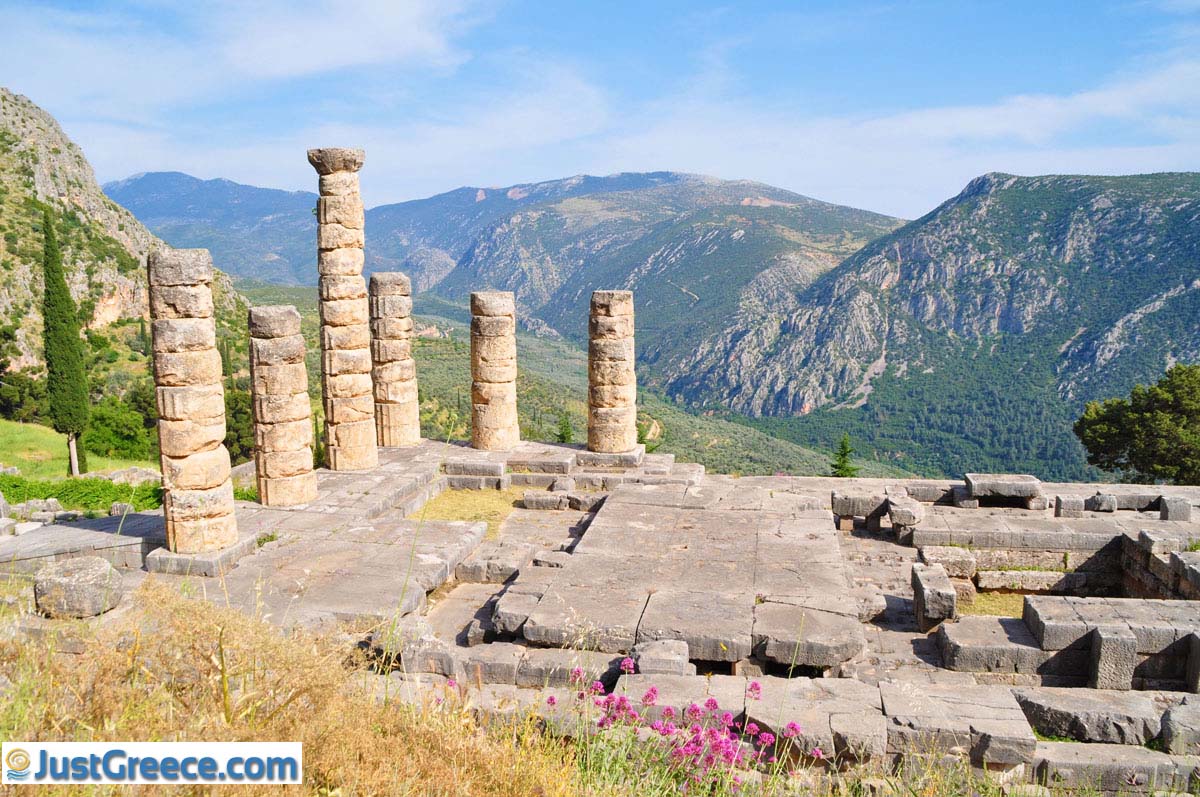
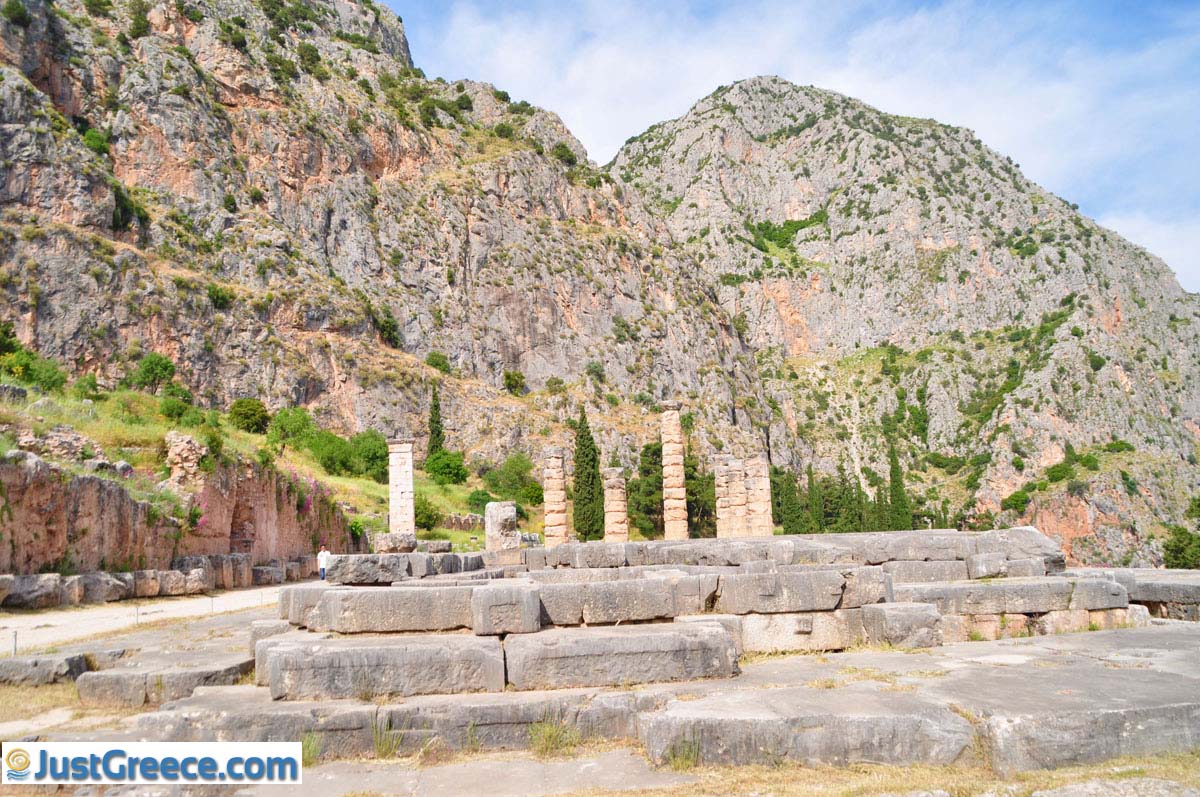
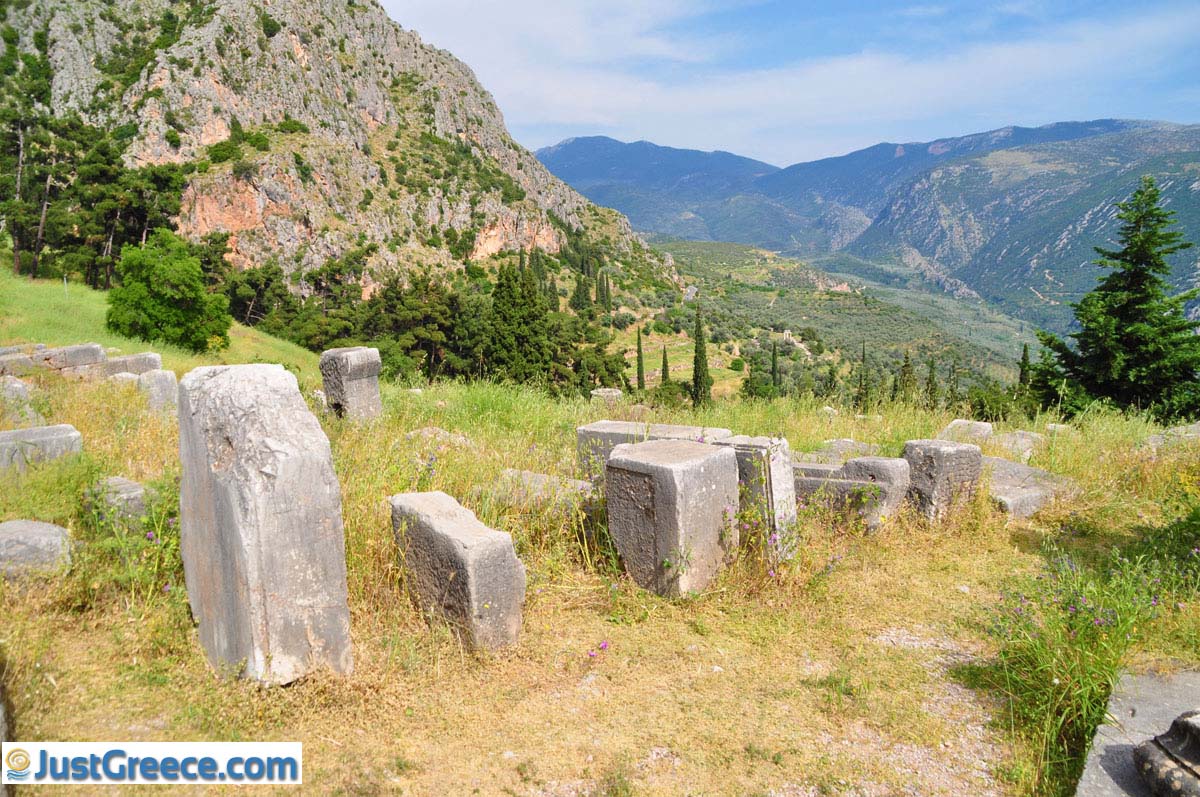
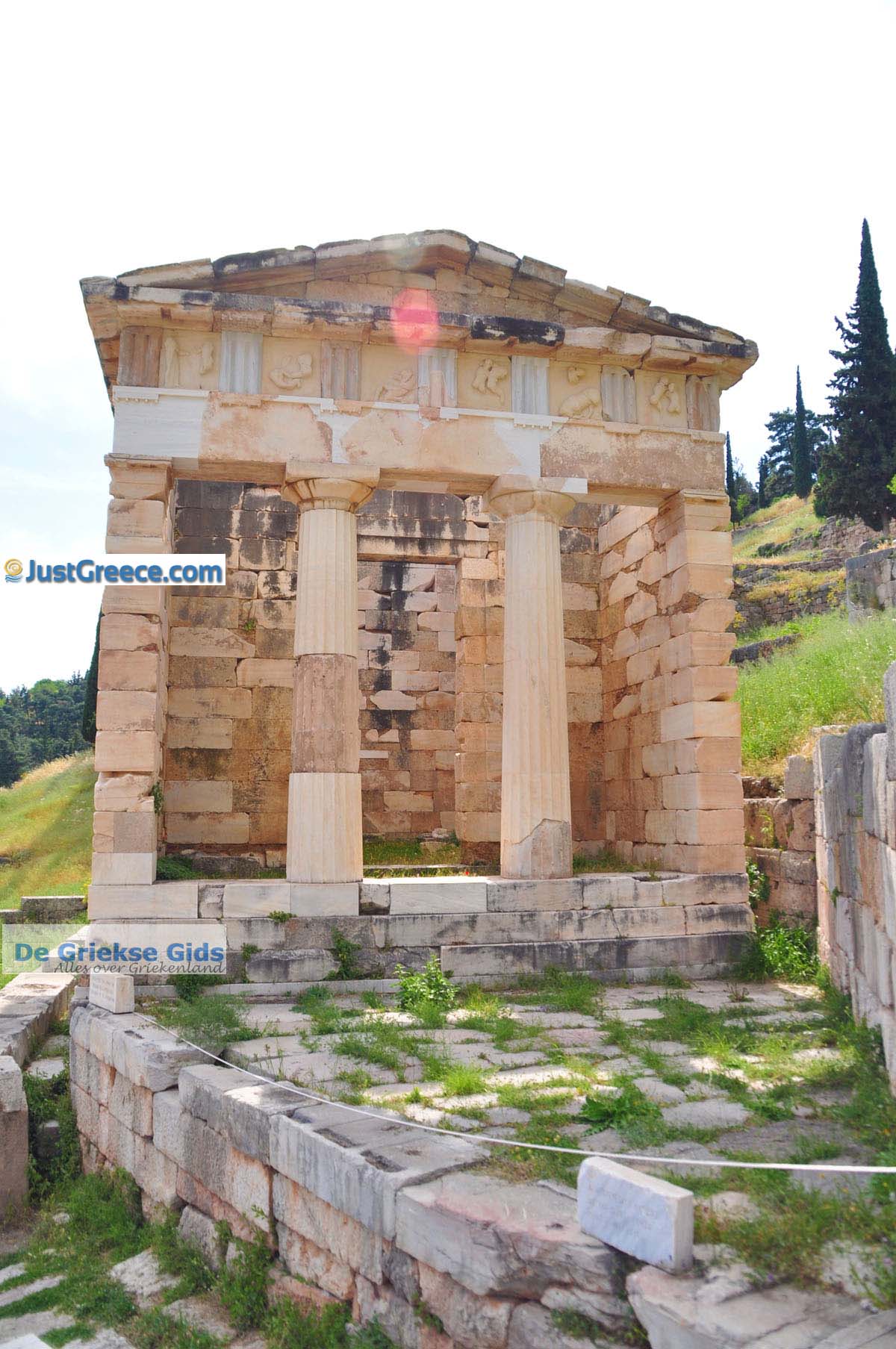
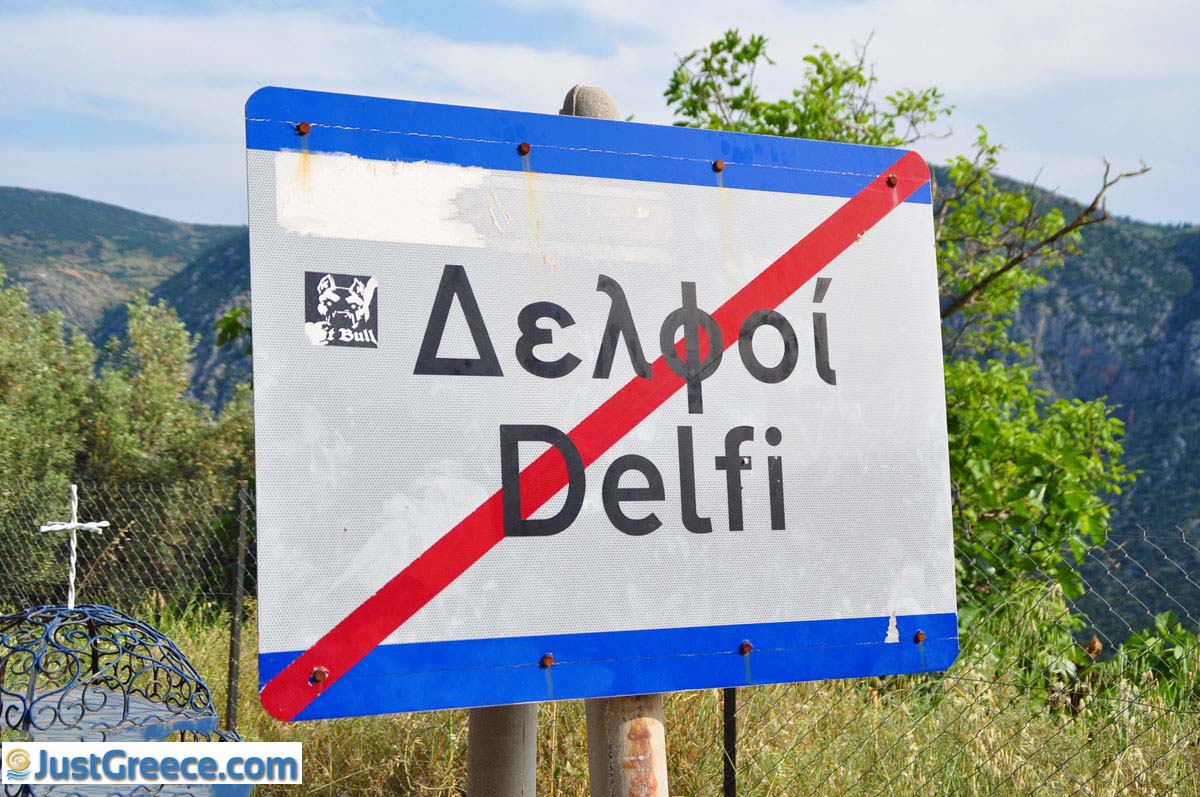
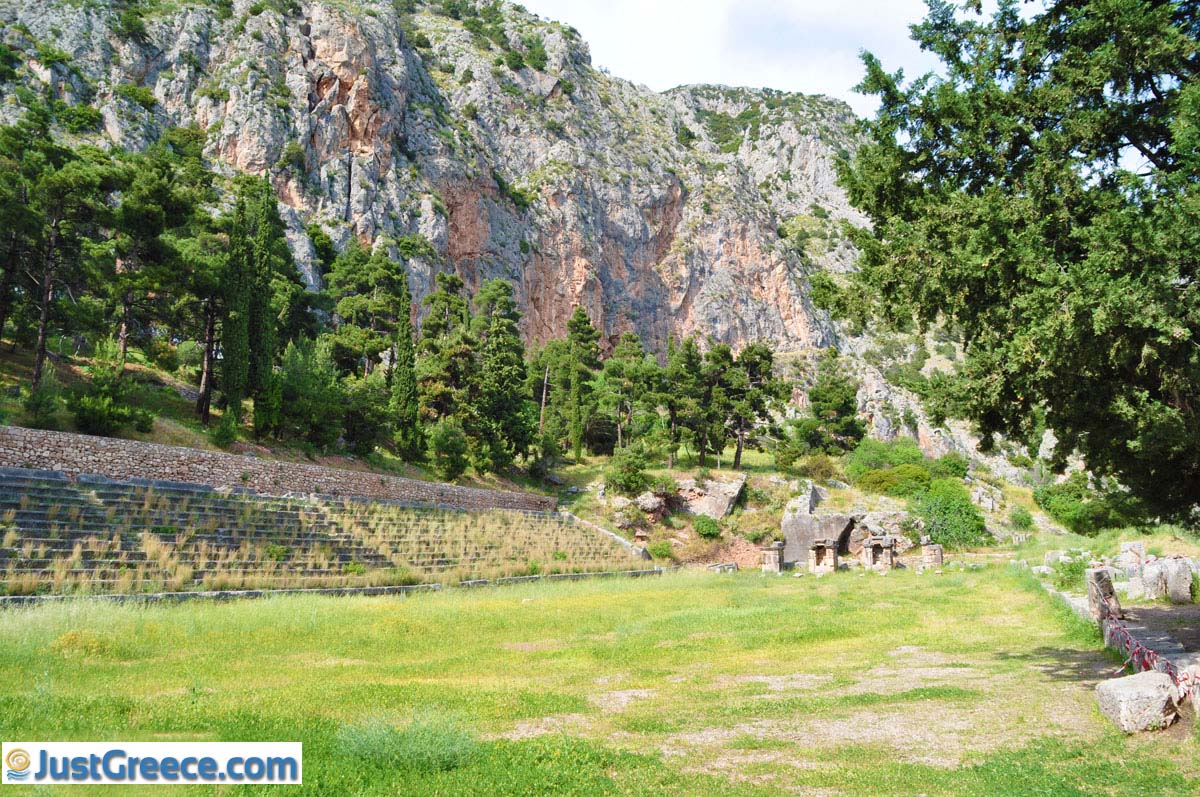
Nowadays Fokida is a prefecture with very good tourist infrastructure that offers a pleasant stay in all seasons of the year. The most famous place in Fokida is Delphi. Visitors admire the Ancient Stadium of Delphi where the "Pythia" games took place every four years. Other attractions here are Temple of Apollo, the theatre, the Kastalia Source and the sanctuary of Goddess Athena. In the modern city of Delphi, one can admire the European Cultural Center of Delphi but also the home of Angelos and Eva Sikelianos that has been transformed into the Museum of Delphic celebrations.
From Delphi, the visitor can easily visit the monastery of Profitis Ilias on the main road leading to Chrisso. Here visitors will be impressed by the beautiful surroundings. The city of Amfissa is worth the time. Here you can visit the Metropolitan Temple of Evangelistria, the Salonon Castle, the Acropolis of Amfissa, the Temple of the Redeemer and many other sights.
To the south lies the picturesque seaside town of Itea (9,000 inhabitants) with its gorgeous beach. In the past, Itea was also the resort of the inhabitants of Amfissa and Delphi. Not far from Itea is Kirra. Here are archaeological excavations from 3000 BC. A little further, on a mountain, you will see the town of Desfina where the monastery of Agios Ioannis is located. On the way to Nafpaktos is the historic town of Galaxidi with major attractions such as the Church of Agios Nikolaos, the maritime museum, the ethnological museum, the church of Agia Paraskevi, a Byzantine monastery from the year 1250 and other sights.
Photo Gallery Fokida - Photos of Central Greece
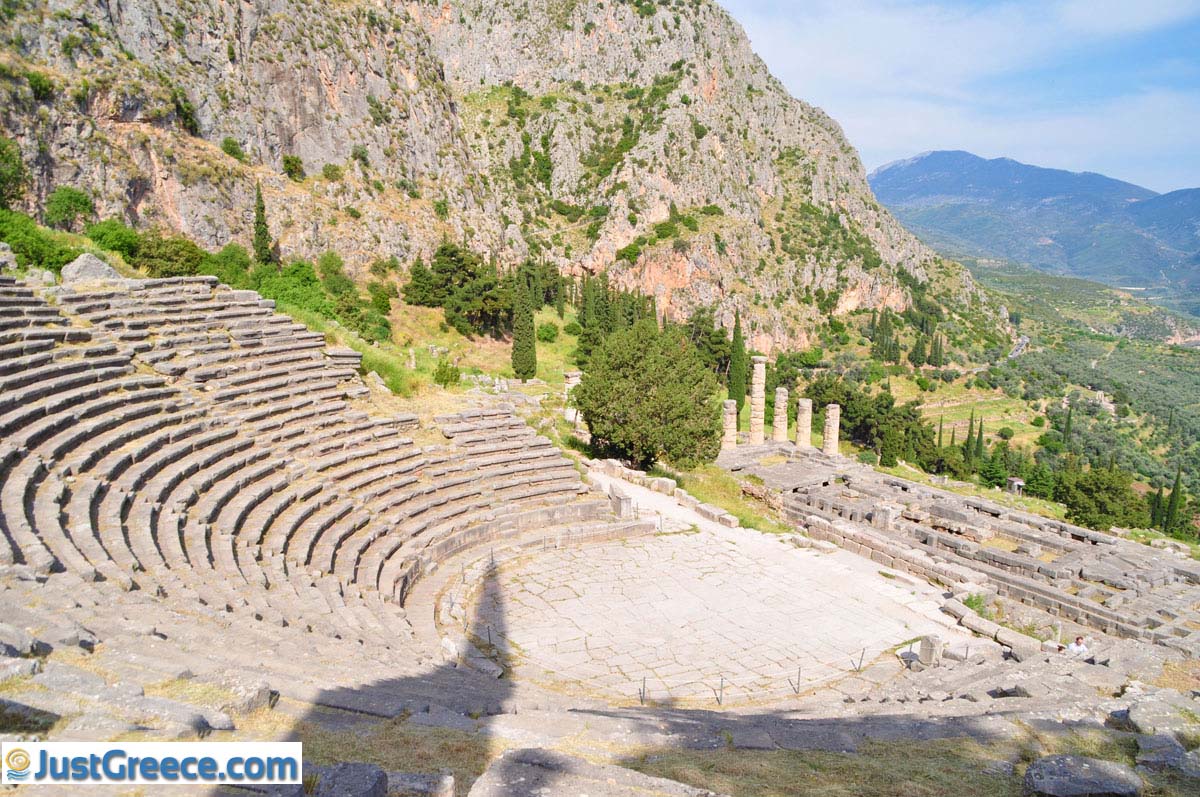
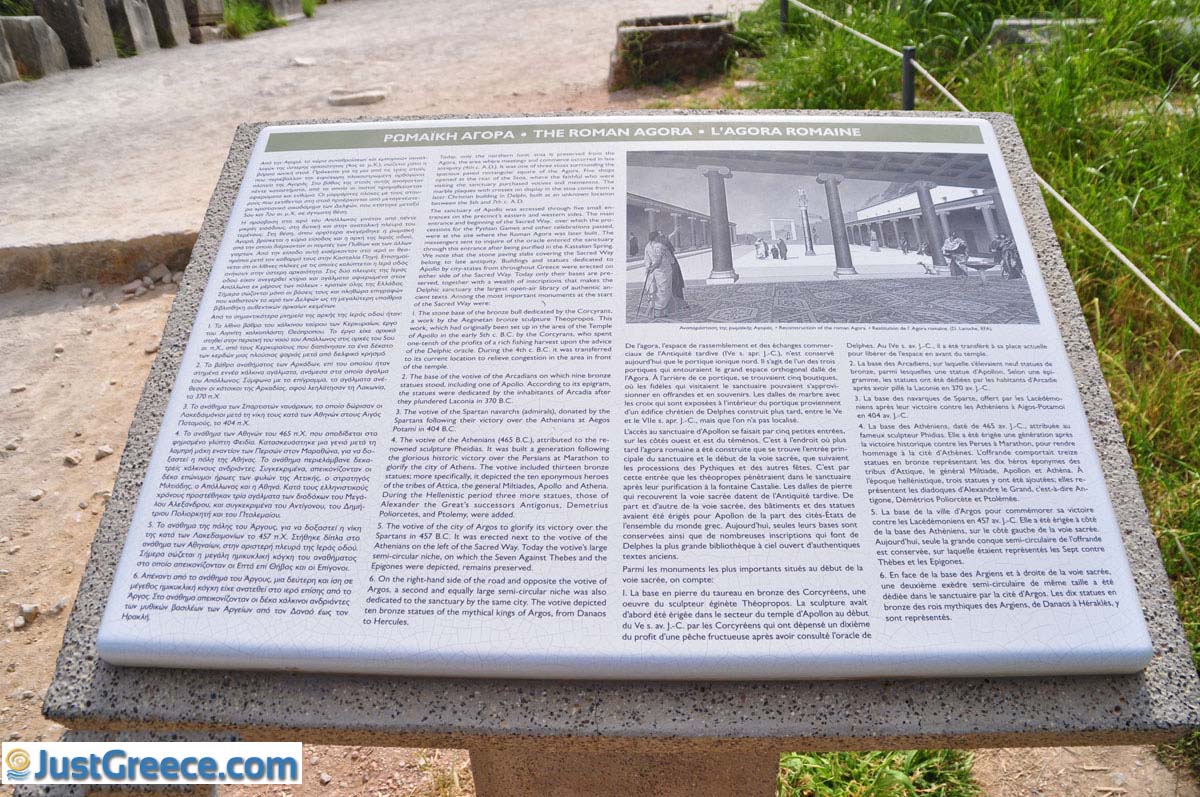
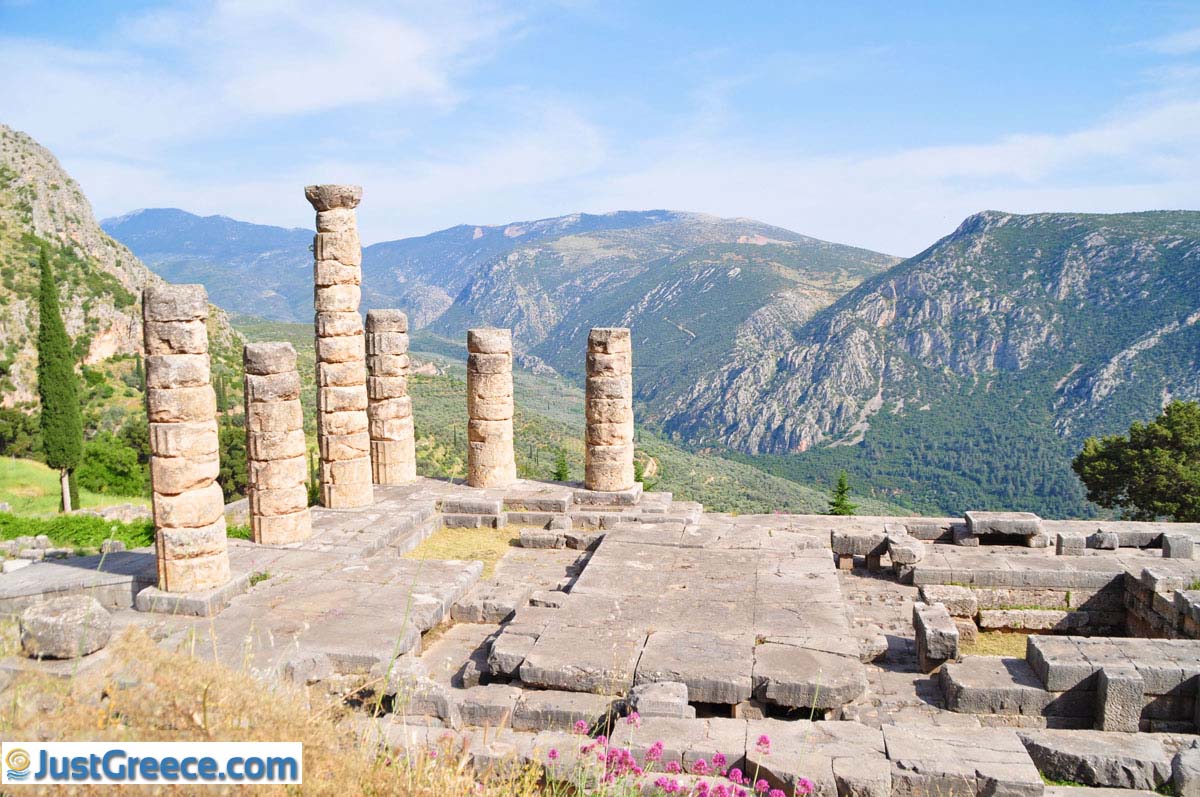
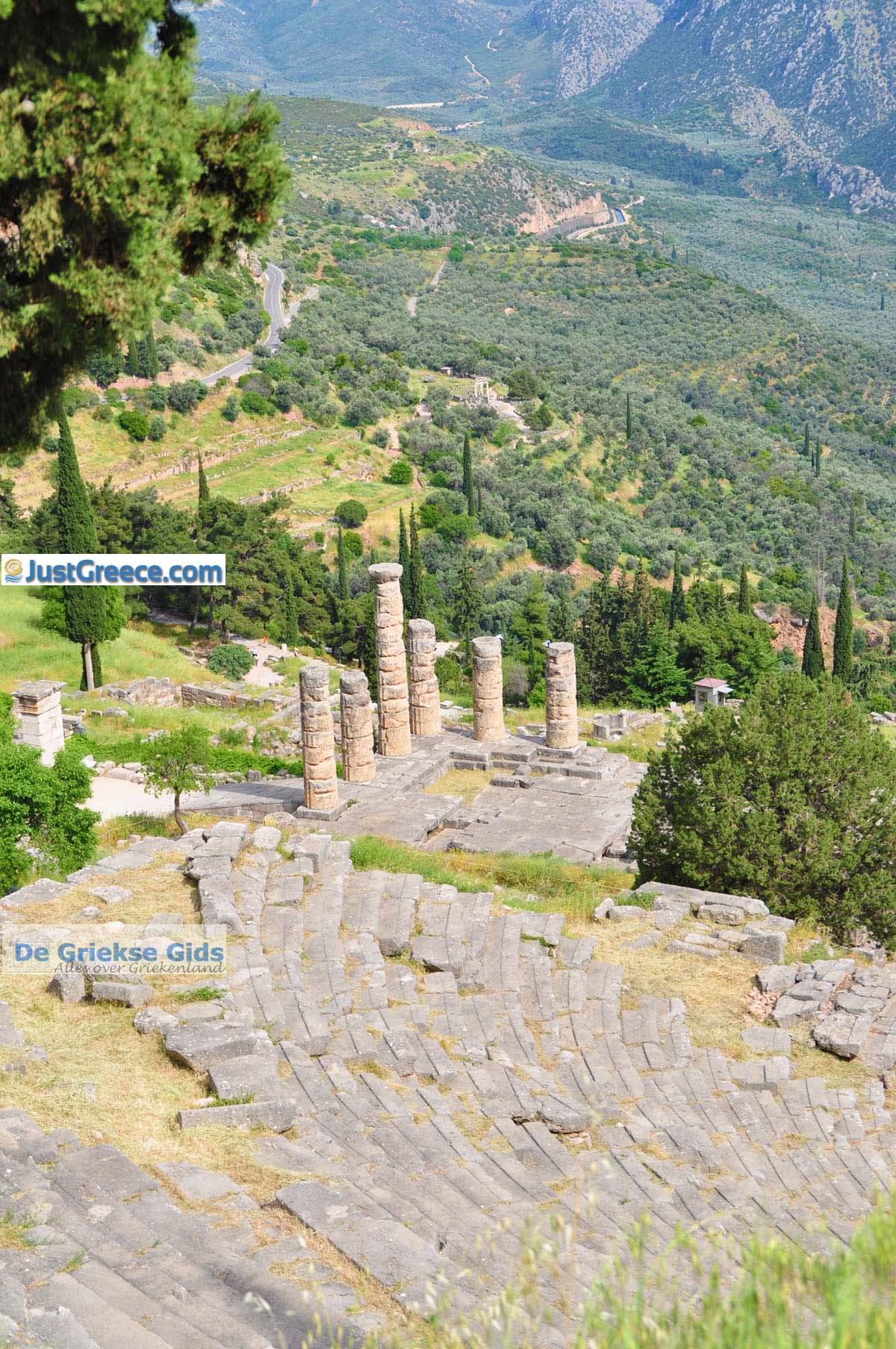


Other attractions in Fokida
- Efpalio: The Monastery of the Holy Mother Varnakova, the historic monastery of Agios Ioannis Thermon, the Monasteries of Trikorfo, the Ethnological museum and the bridge Kefalogiofiro.
- Municipality Vardousia: The historic monastery of Agios Ioannis the Baptist, where the Greek hero Athanasios Diakos spent a time, and the folk-art museum.
- Municipality of Gravia: the town Gravia with its historic inn (Chani tis Gravias). Here, one can see the bust of the Greek hero Odysseas Androutsos.
- Municipality Lidorikio: In Kallio are the ancient and Byzantine fortifications of the old Kallipoli. Important finds are kept in the Archaeological Museum of Lidoriki. Northeast of the village Koniakos you can see the remains of an ancient fortress. In Malandrino, visst the fortifications of the old city of Fiskeen that used to be a religious center of the Locren.
- Municipality Parnassos: The Ski area of Parnassos, the tourist villages Souvala, Eptalofos and Elatos and the National Park of Parnassos.
Text: Yorgos and Wendy Nikolidakis - Revised by Katrina Butzer
Weather forecast Fokida
Fokida in other languages
 Fokida (GriekseGids.nl)
 Fokida (GriekseGids.be)
 Fokida (GreeceGuide.co.uk)
 Fokida (GriechenlandWeb.de)
Fokida: Where on the map is Fokida located?