Santorini - Cyclades (Greece)
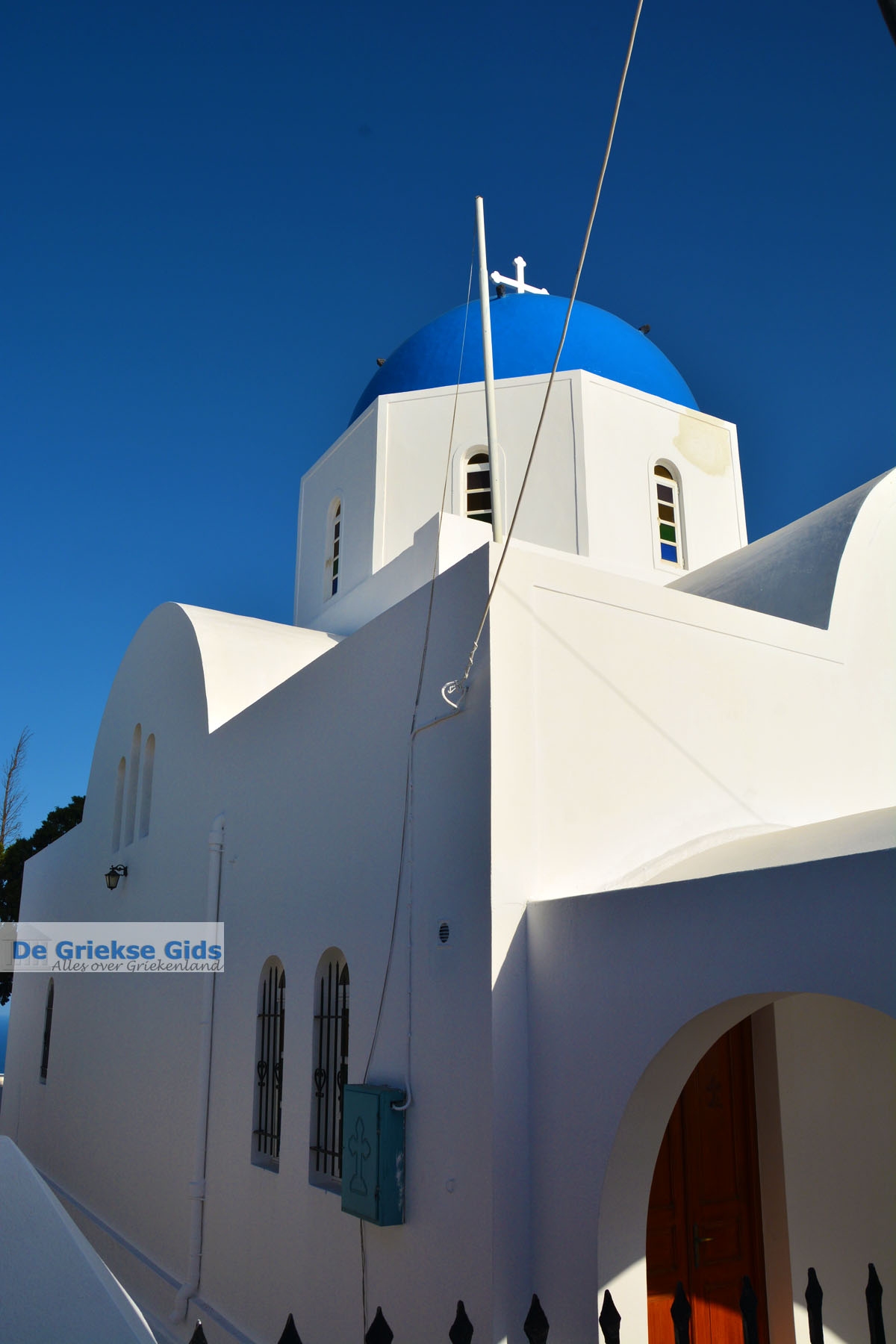
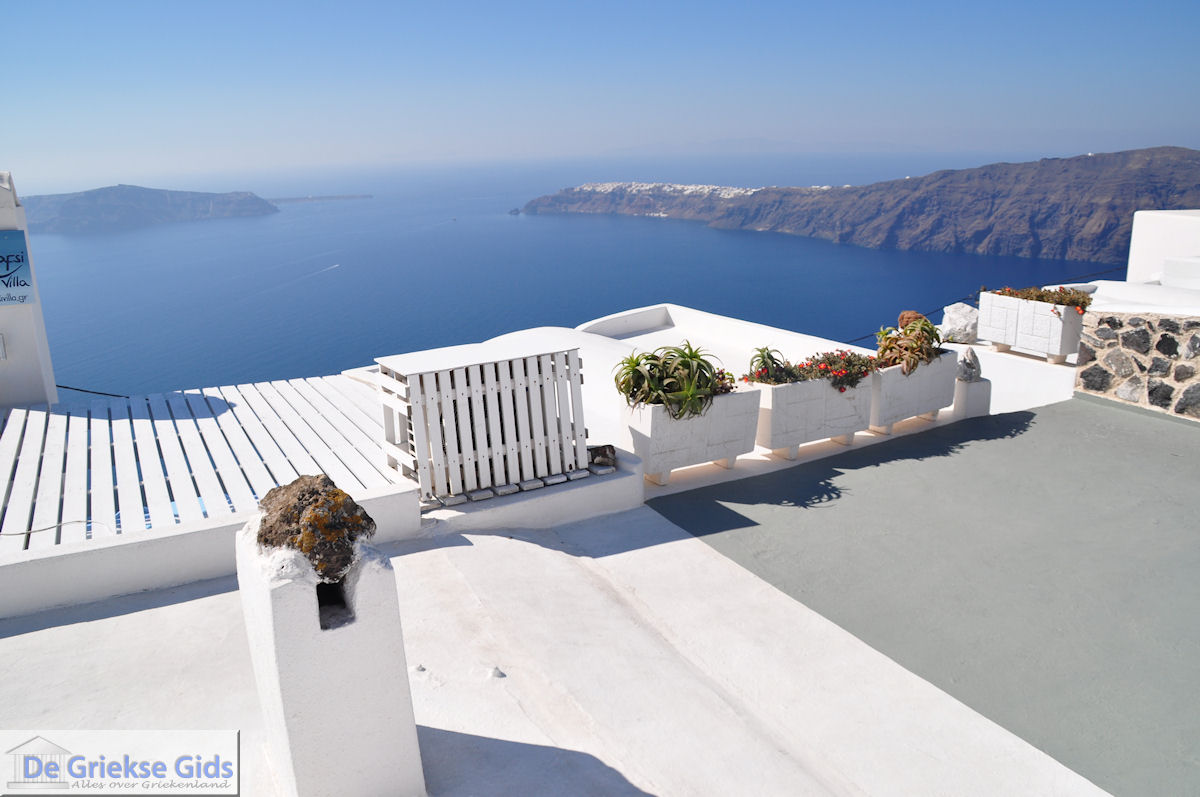
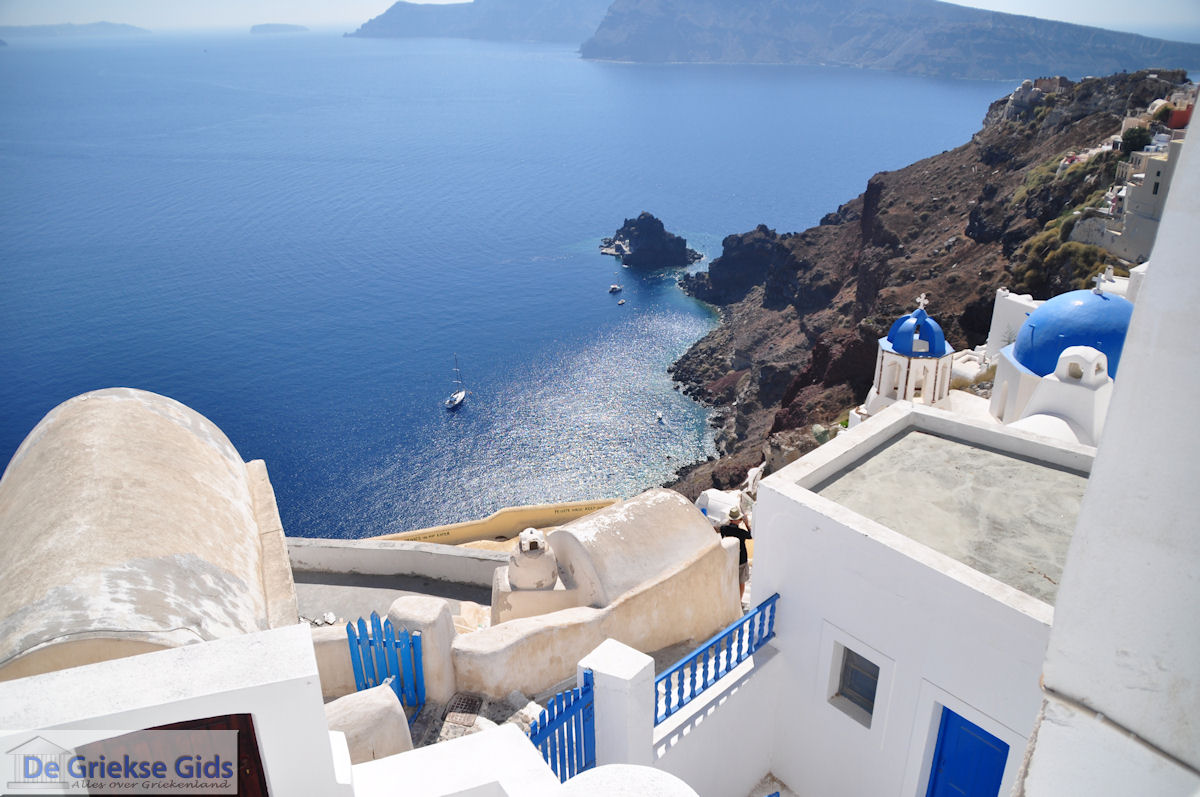
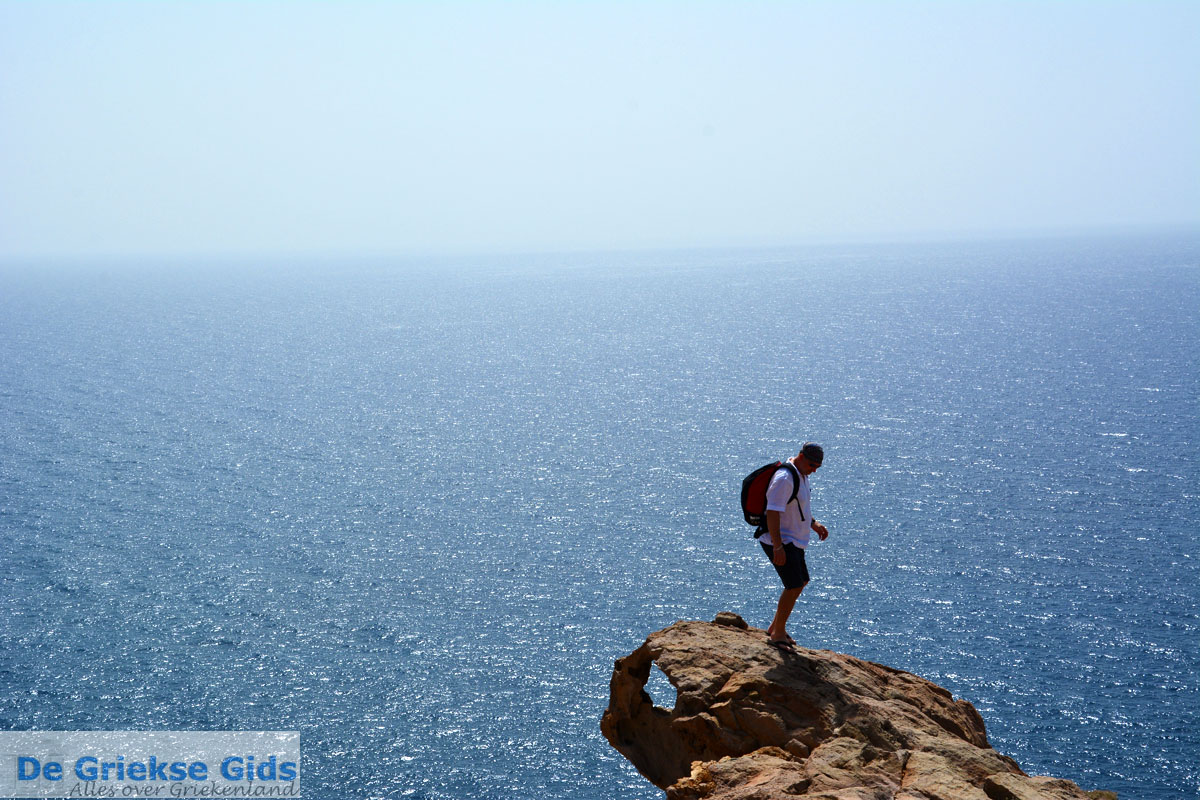
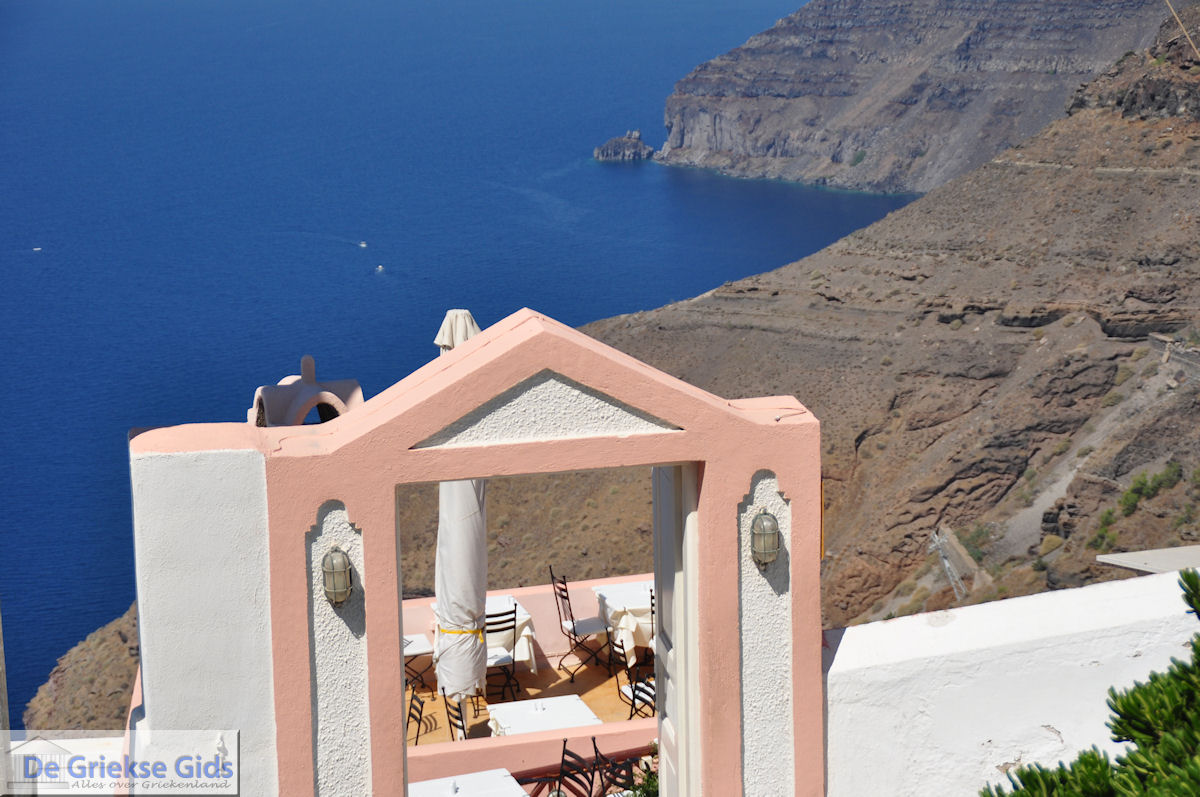
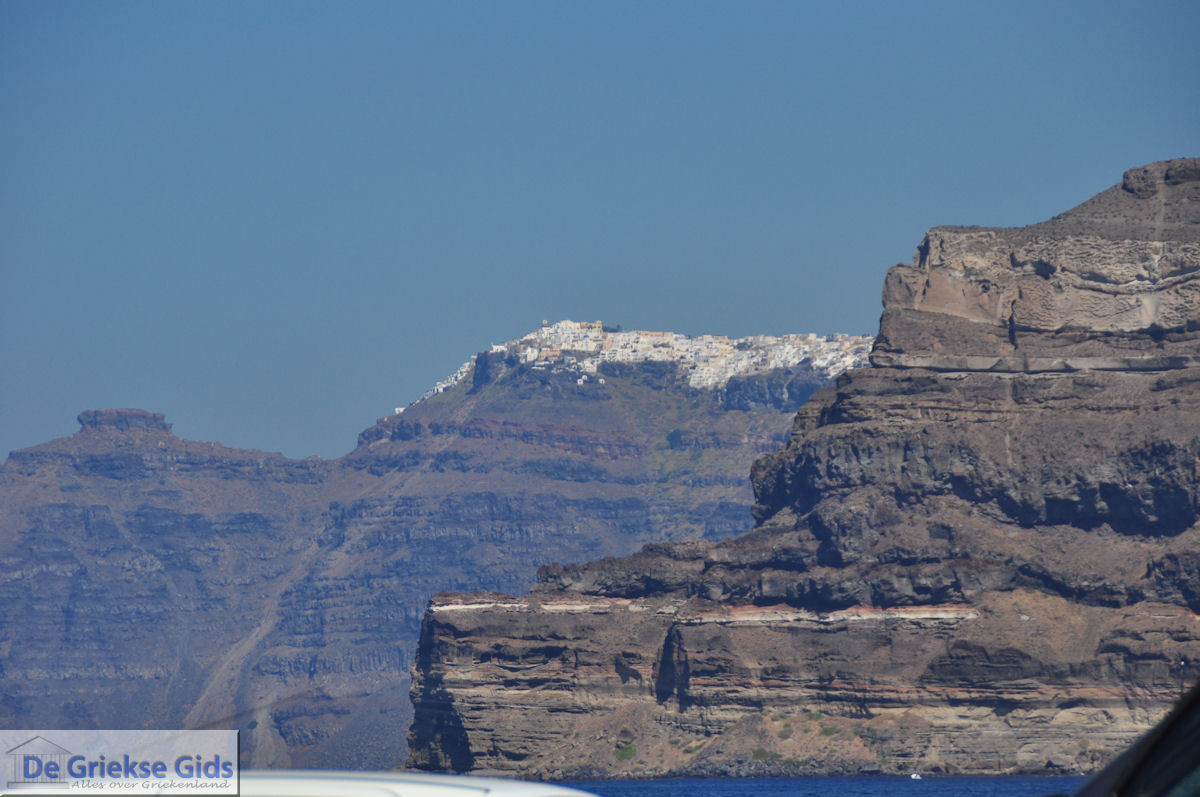
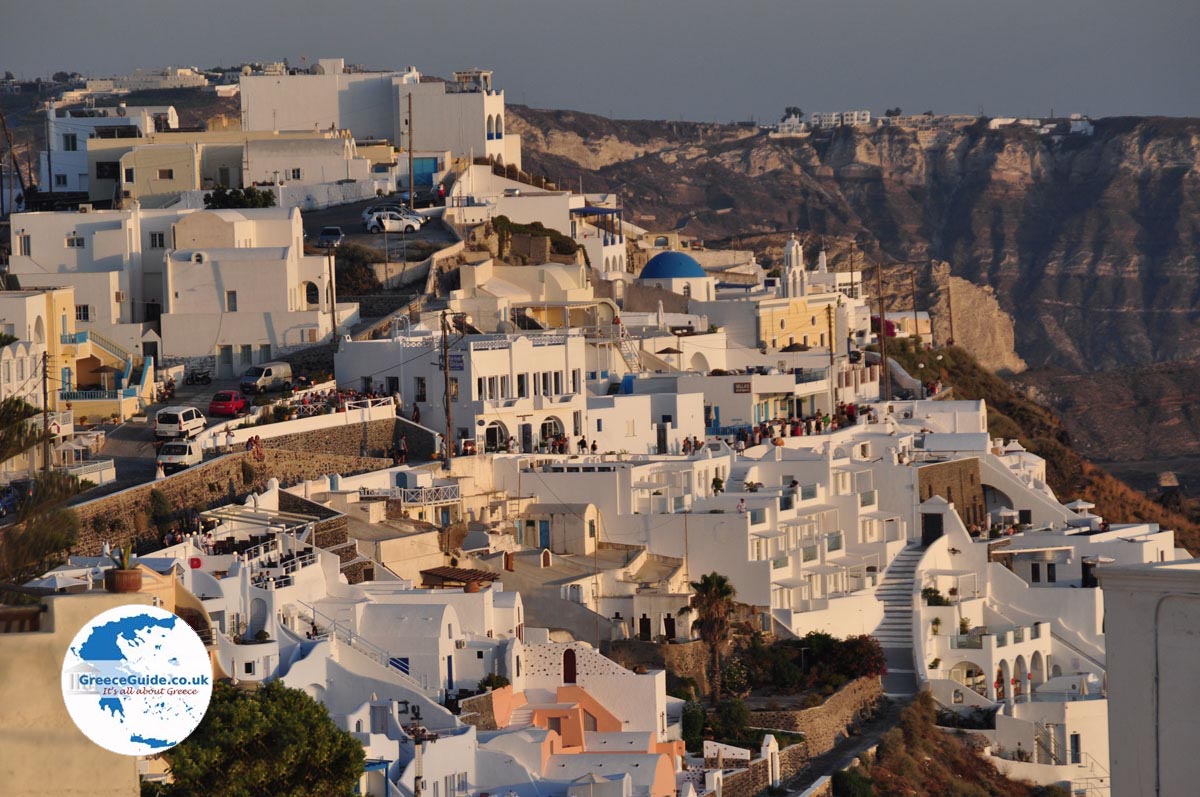
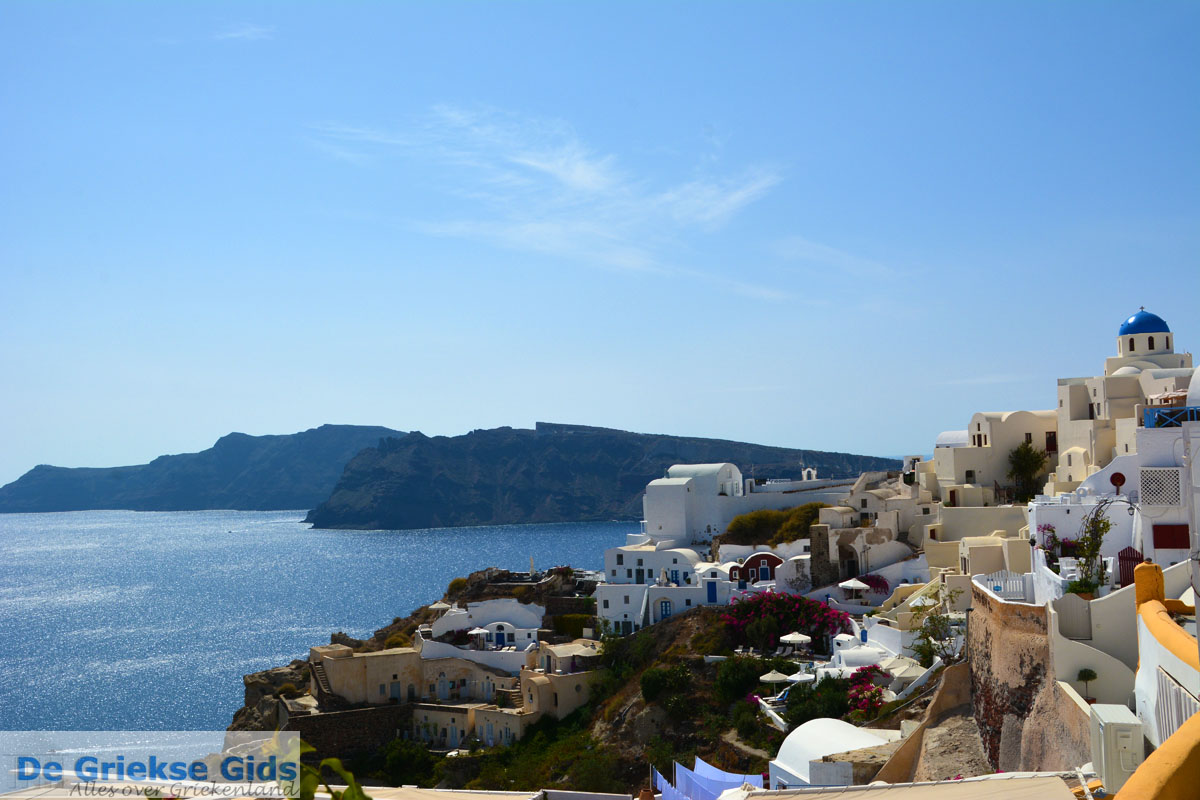
Santorini (Thira). The island of Santorini is without a doubt the most remarkable of the Greek islands. Santorini, the southernmost island of the Cyclades, owes its current form to the various volcanic eruptions that have taken place here over the centuries. Before the 15th century BC it was larger, but after an eruption in 1450 BC, it has the appearance of a half-moon. The rest of the island has disappeared into the sea. On the edges of the craters, residents later built homes, villages and churches. These villages are located on an altitude of approximately 300 meters (1,000 ft). The view from up here is indescribably beautiful.
Santorini has a fascinating and at the same time impressive history. When approaching the island and seeing the caldera (crater) and the volcano, you are already highly impressed! Many tourists, seeking romance, come specifically to Thira (Thira, the alternative name of Santorini) to witness the beautiful sunset.
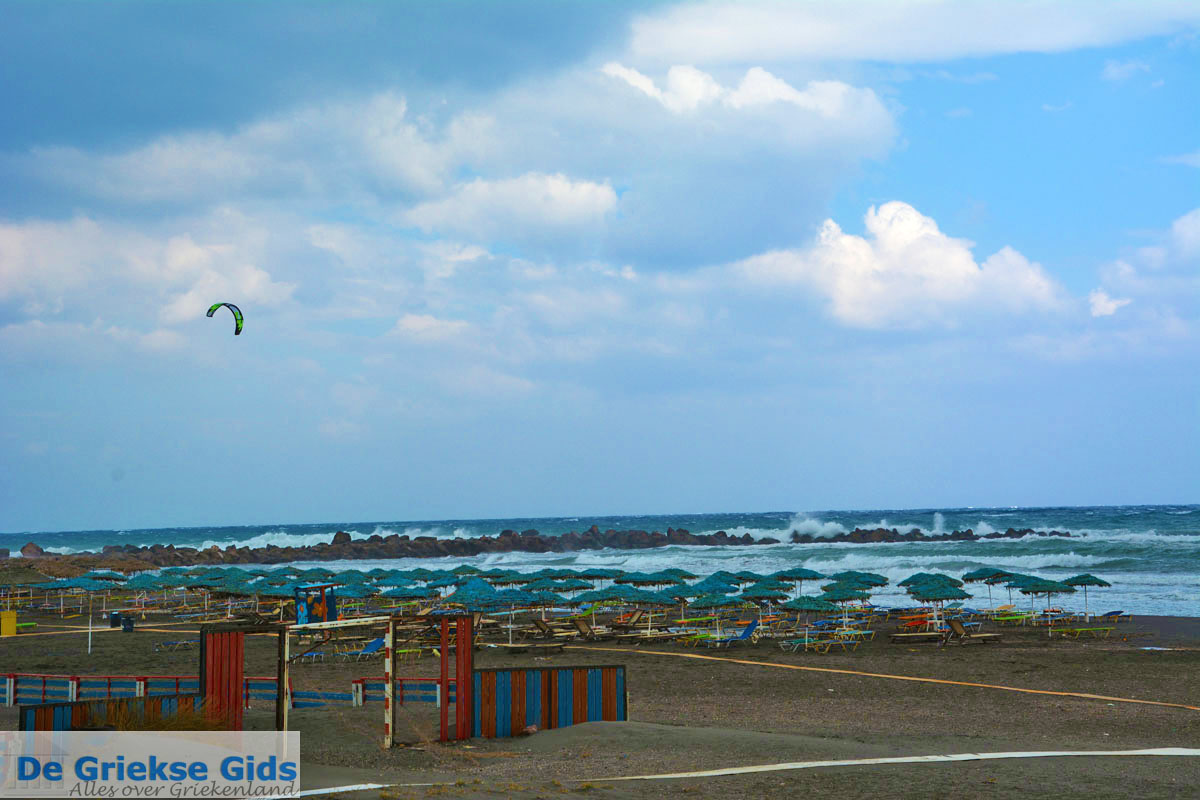
Santorini is a not too large (72 km2/28 mi2). It is a dry, mountainous volcanic island, with crags and cliffs on its west coast. The eastern side of Santorini is flatter and there are some the very remarkable beaches like Perissa, Perivolos and Kamari. All these beaches have black/grey sand because of the volcano. On this side of the island there are vineyards where famous Greek wines are produced. Santorini has many attractions. Mainly, it’s the villages located on the steep cliffs that attract the most tourists. The capital, Fira, and the villages of Firostefani, Fira and Oia are absolutely phenomenal.
You will find archaeological ruins in the south of the island near the town of Akrotiri. South of Akrotiri, there is the famous Red Beach where the volcano has clearly left its mark.
Although Santorini has become very touristy, there are a number of traditional villages where customs are still well preserved, such as Megalochori, Finikia, Pyrgos and Mesaria. Santorini is located 113 kilometers (70 mi) from Crete and 209 kilometers (130 mi) from Piraeus. The length of the coastline is about 70 kilometers (43 mi). The distance from the northernmost to the southernmost point is about 18 kilometers (11 mi) and maximum width of the island is only 6 kilometers (4 mi).
Photo Gallery Santorini - Photos of Cyclades


Sights and tips Santorini
Akrotiri is located in the south of Santorini. In 1967 it suddenly gained world notoriety with the discovery of the ...
More about Akrotiri ...
Athinios is the larger harbor of Santorini. This port is near Megalochori. Larger boats and ferries arrive here when visiting Santorini.
Get more about Athinios ...
Emporio is a very beautiful village. Strolling through the narrow streets is very pleasant. In the village there are some very beautiful churches with fine bell towers ...
More about Emporio ...
Fira is the capital of Santorini and at the same time it is one of the most impressive destinations of the island...
More about Fira ...
Megalochori belongs to the villages of Santorini where traditions have been well preserved. It is best known ...
More about Megalochori ...
Perivolos together with Perissa and Kamari perhaps the most popular and lively resort of ...
More about Perivolos ...
Finikia is a traditional village that is not far from Oia, in the north of Santorini. Narrow streets and ocher ...
More about Finikia ...
Imerovigli is a typical Cycladic village north of the capital of Santorini, Fira. It is 300 meters ...
More about Imerovigli ...
Weather forecast Santorini
Oia is in the north of the island and is one of the most beautiful villages in Greece. Known for the fascinating sunsets and ...
Get more about Oia ...
Thirasia is the island situated northwest of Santorini. 3500 years ago, and after the eruption....
More about Thirasia ...
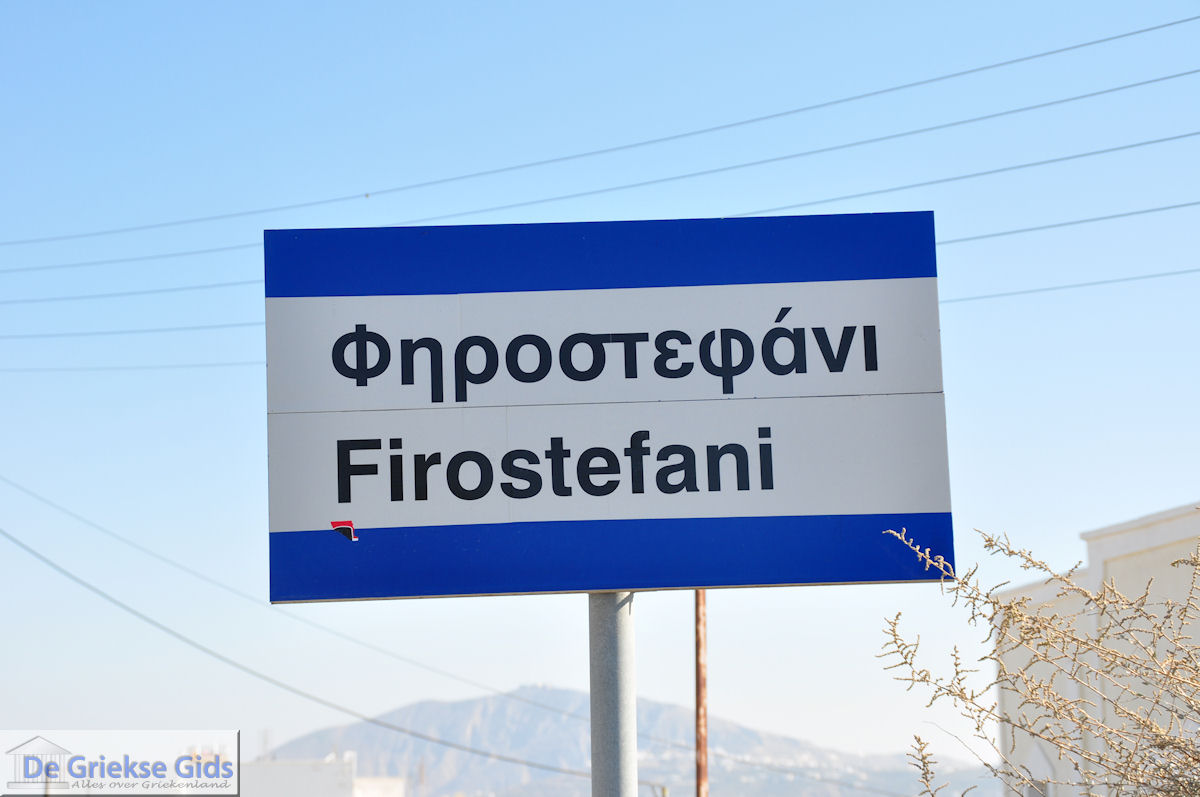
Firostefani is a picturesque village with stunning views to the sea and to the volcano...
more about Firostefani ...
Kamari lies ten kilometers (6 mi) east of Fira and is the busiest sea resort on the island. Here is ....
More about Kamari ...
Perissa is a very popular resort (especially among young people) in the southeast of Santorini and south of ...
More about Perissa ...
Ancient Thira. Here in Ancient Thira you can see the ruins of the city from the 8th century BC that was founded by Dorians from Sparta...
More about Ancient Thira ...
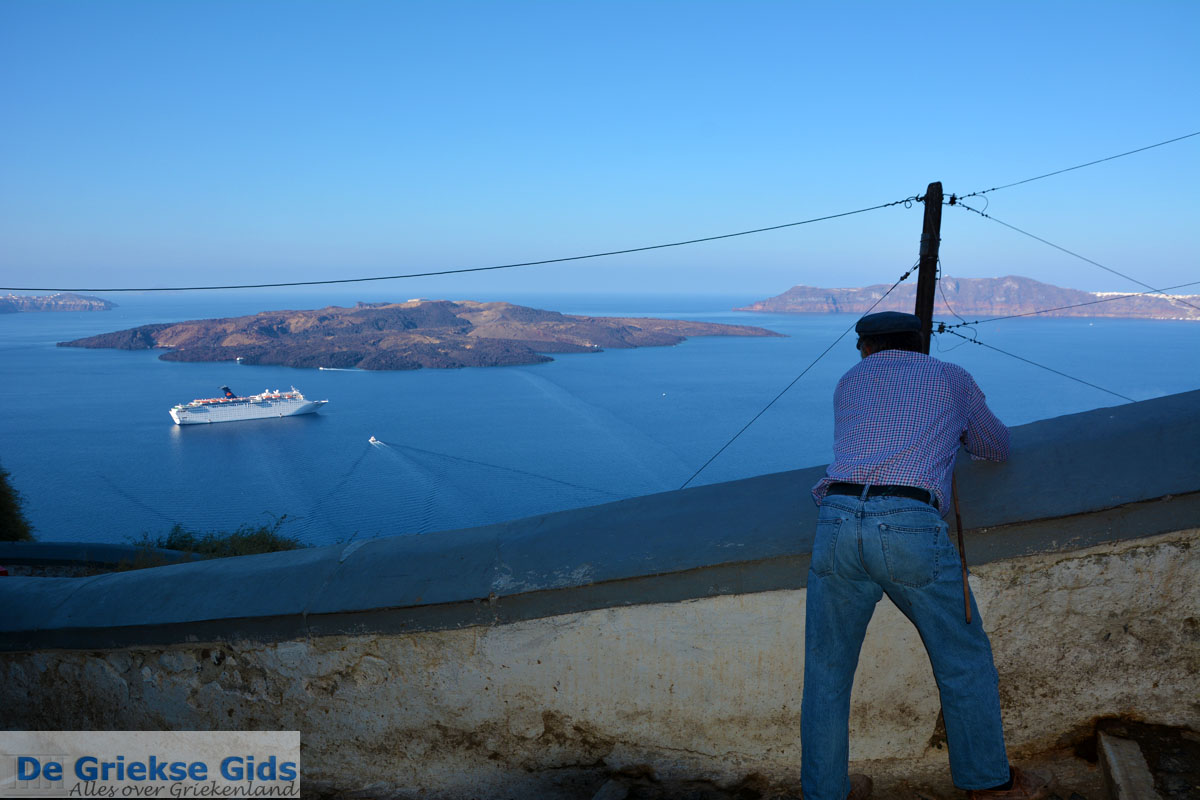
The volcano. Old and New Kameni are the two islands that you see in the middle of the bay of Santorini ...
More about Palia and Nea Kameni ...
Culinary Santorini
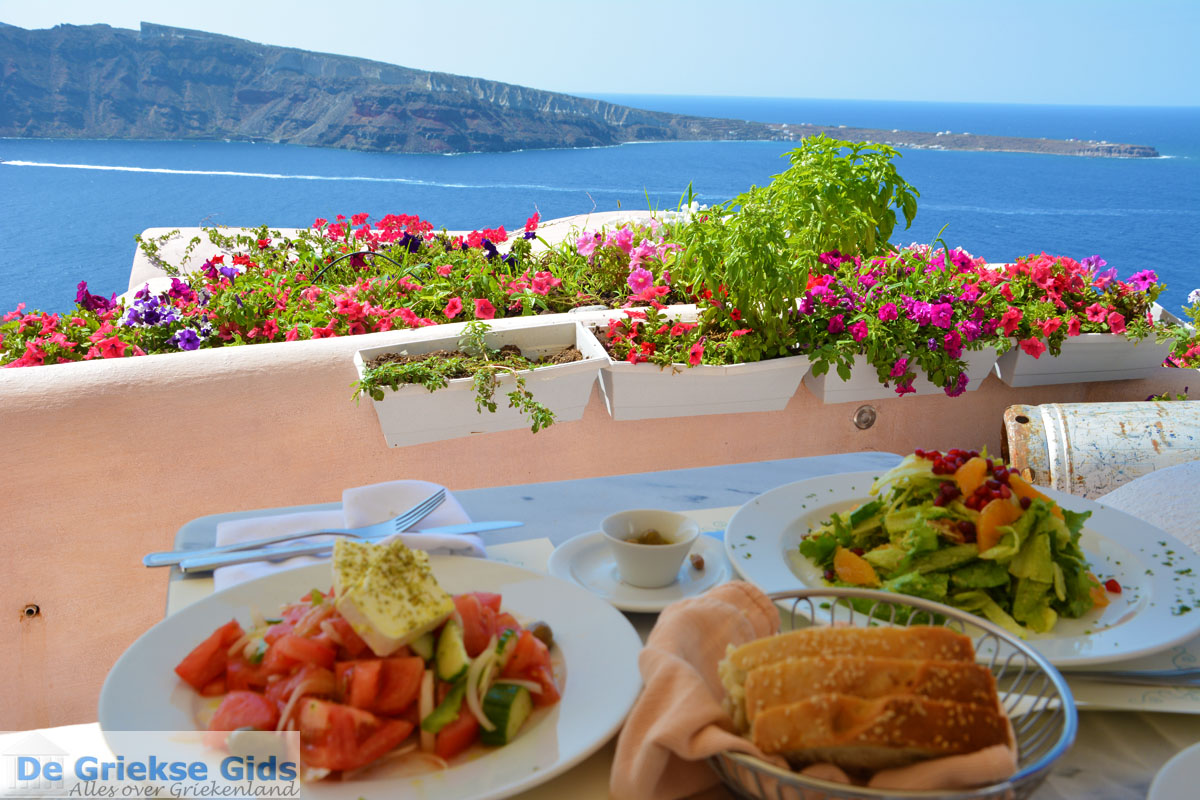
When you visit Santorini, you surely would like to taste the local specialties. Fava (kind of mashed chickpeas), white eggplants in the pan and tomatokeftedes (sort of meatballs in tomato sauce) are the most famous culinary specialties of the island. Of course the delicious local wine cannot be missed. Santorini is also very famous for its good wine.
How to get to Santorini
By airplane you can reach Santorini from almost anywhere in the world.
Or by ferry; Santorini is connected with the following ports in Greece: Piraeus (Athens), Anafi, Chalki, Folegandros, Heraklion (Crete), Ios, Karpathos, Kasos, Kos, Milos, Mykonos, Naxos, Paros, Rhodes, Serifos, Sifnos, Sikinos, Sitia, Syros and Thirasia.
Text: Yorgos and Wendy Nikolidakis - Text edited by Katrina Butzer
Santorini in other languages
 Santorini (GriekseGids.nl)
 Santorini (GriekseGids.be)
 Santorini (GreeceGuide.co.uk)
 Santorini (GriechenlandWeb.de)
Santorini: Where on the map is Santorini located?
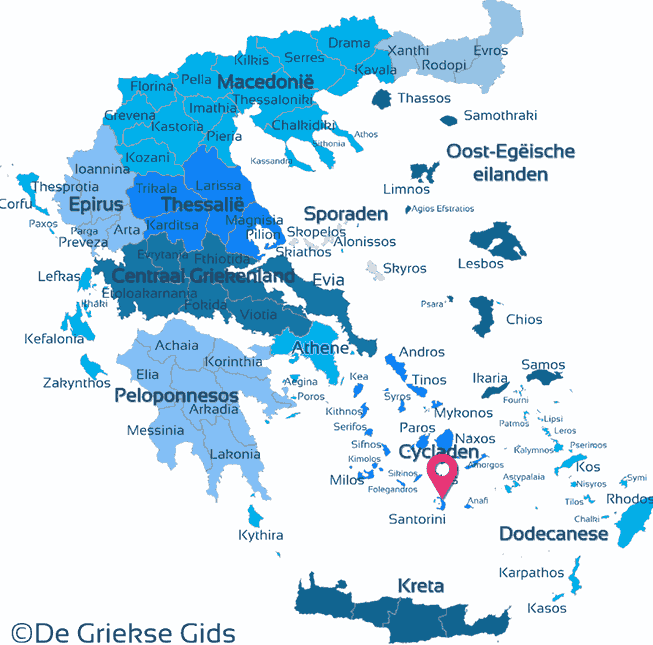
Santorini
Holidays in Greece