Corinthia
JustGreece.com
Holidays in Corinthia
Corinthia
CORINTHIA. Coming from Athens to the Peloponese, Corinthia is the first prefecture visitors meet. It is also the prelude of the warmth and excitement that the land of Peloponese promises. The scents of the sea, of the mountains, of the harvest of the grapes and currants are spread over, accompanied by the bees' buzzing around the sheds where the currants are drying. This is where Greek myths revive. This is where Nemean wine is called "Herakles blood" and it is believed that retsina wine is the teardrop of a certain nymph. This is where one can hear stories about goddesses. About Zeus and Apollo. Where he can come upon columns, sanctuaries and ancient palaces.Travelling through Corinthia
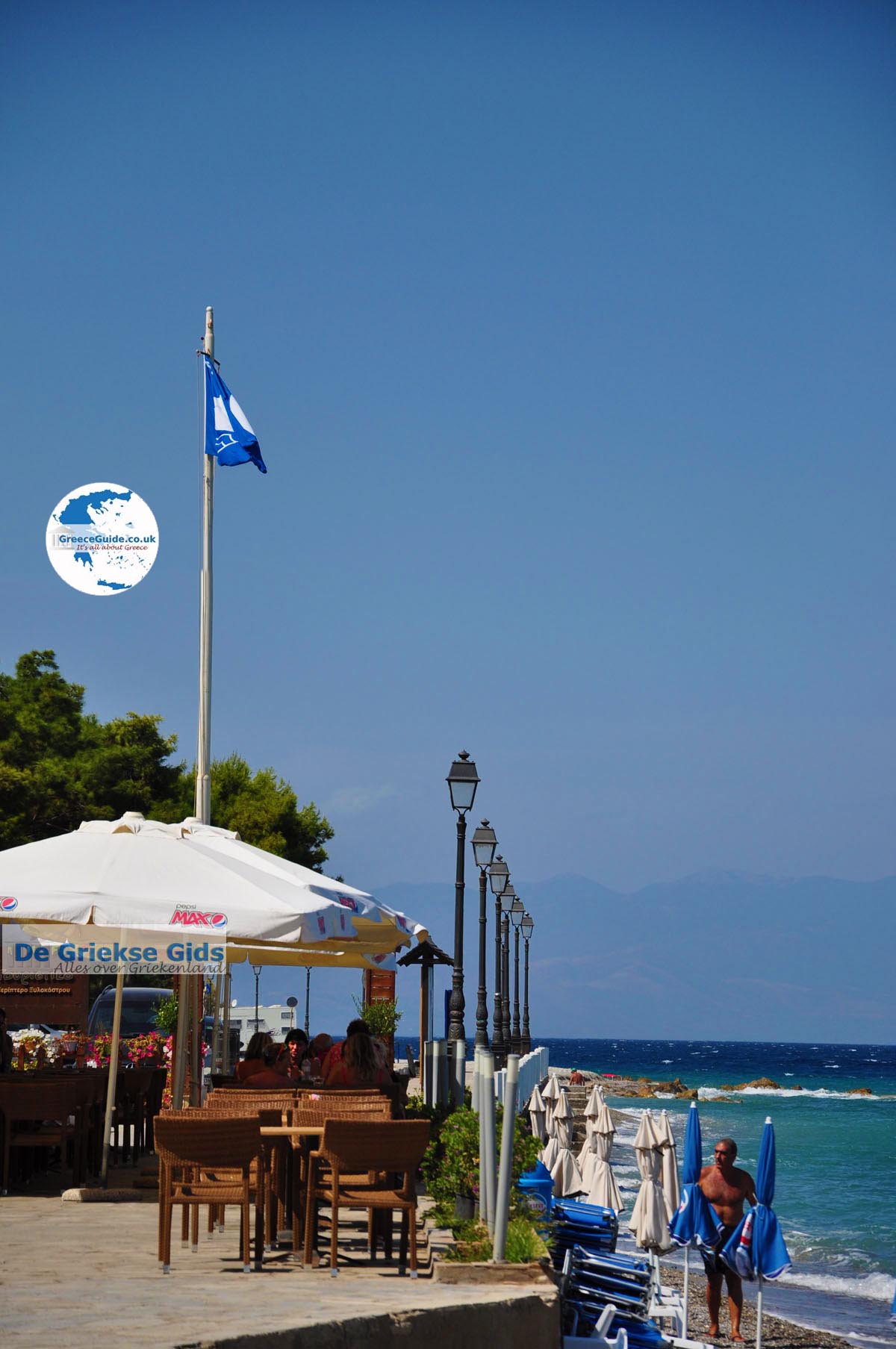
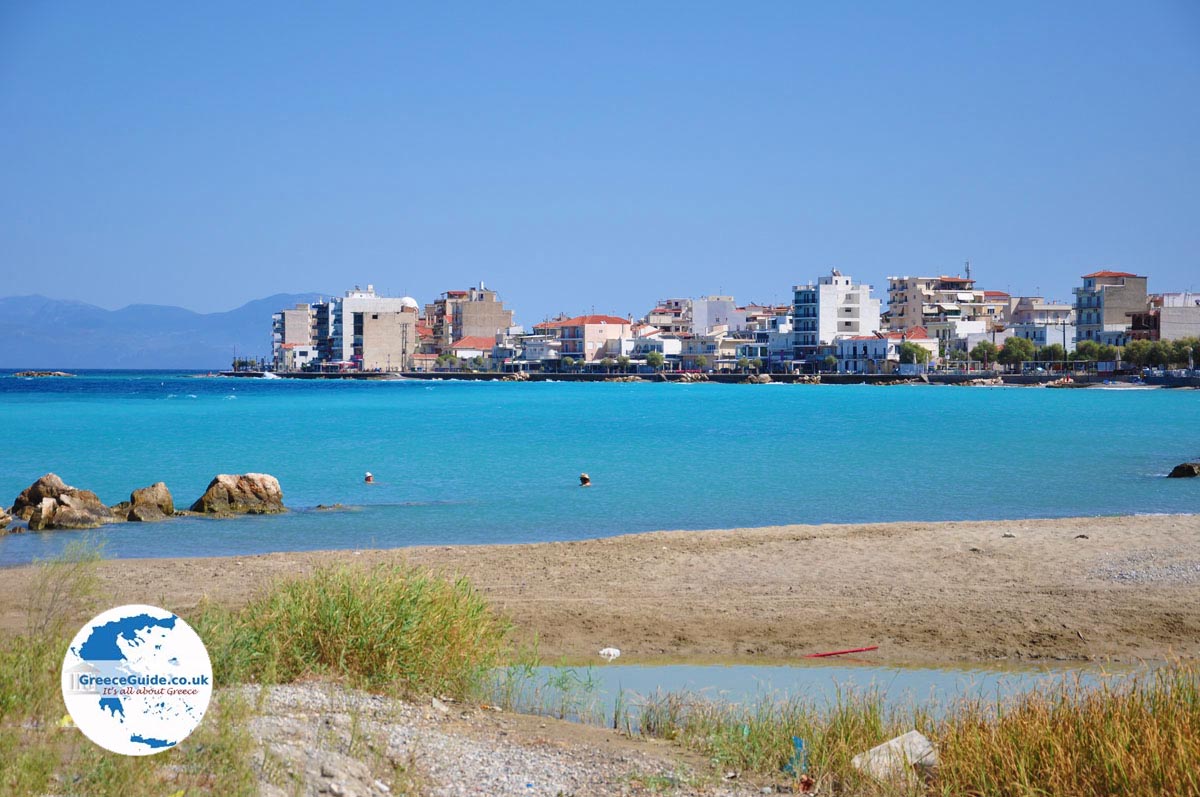
Just before the Isthmus, to the right, the road veers oft to Loutraki, a town built on the foofhills of the Gerania range on the soil of Central Greece, yet still part of Corinthia prefecture.


 Photo: Dineke Helmink

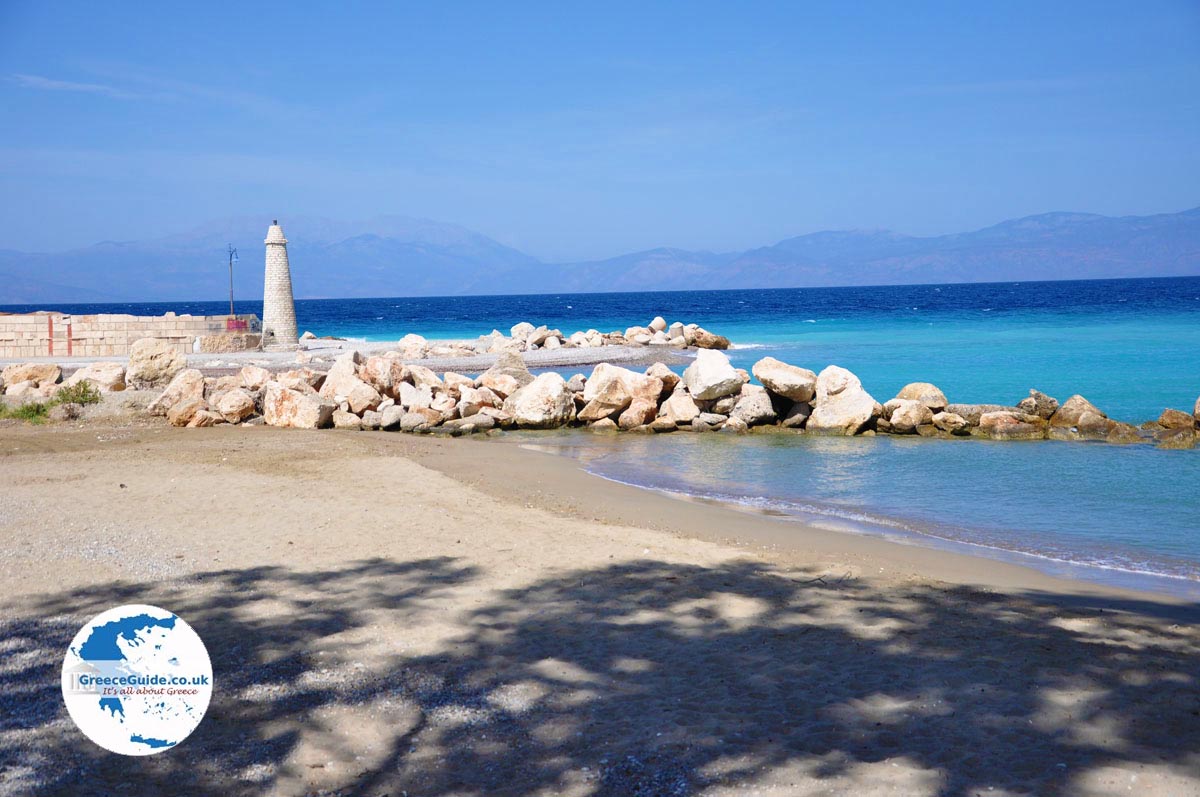
  Photo: Ben Polman

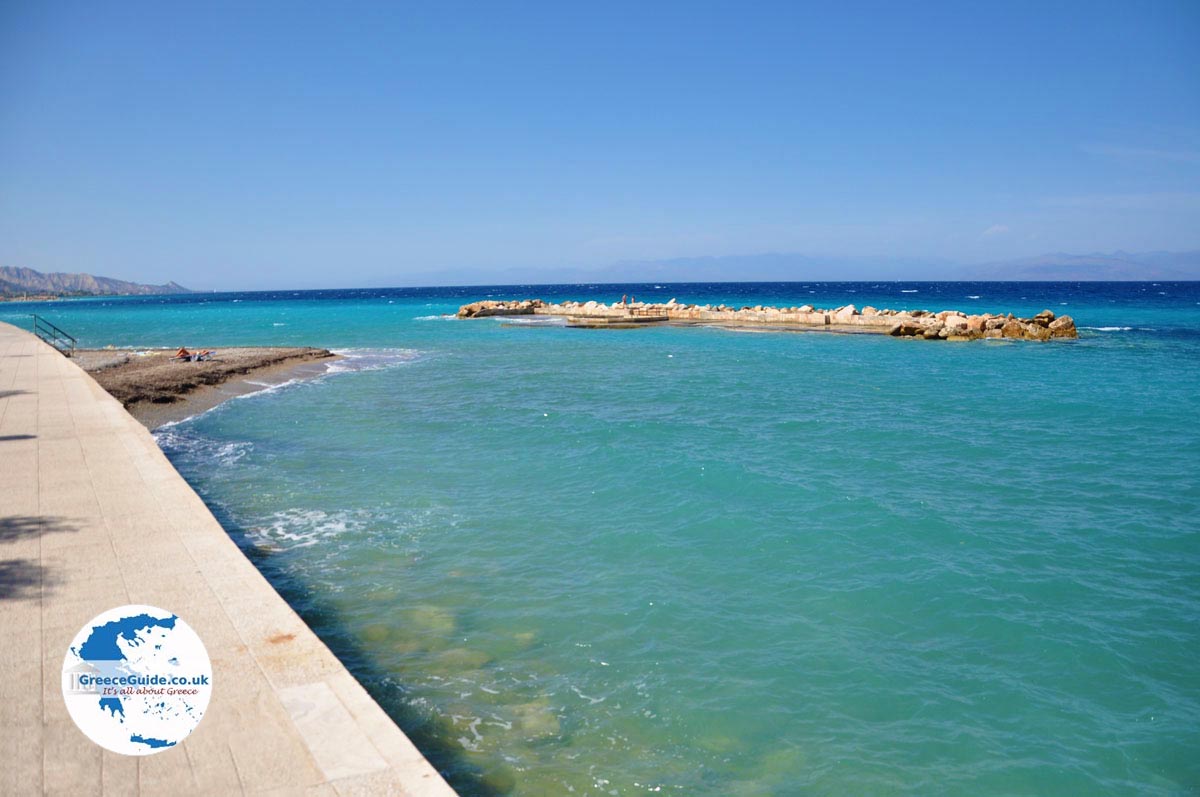
The sky is reflected on the sea. People come and go relaxed on the beach, swimming and tanning in the summer sun. In Loutraki there are hof springs, the blessed waters of which gush from the earth with healing power. Beyond Loutraki, heading west, there is Vouliagmeni lake which is joined to the sea by a narrow channel. Near Perahora peninsula, where there is a picturesque bay, visitors can see the first ruins at the back of the harbour - these of the Temples of Hera Akraia and Limenia. This place gives a foretaste of what to expect from the main sanctuary of Hera in the Peloponnese. Returning to the highway to Corinth, the road crosses the Isthmus, - which Greeks use to call the avlaki = the gutter - the direction towards one of the most important Pan-Hellenic shrines, the sanctuary of Poseidon at Isthmia (7th c. BC), near Kiravrisi village, where Pan-Hellenic games were held every second year. Adjacent to the archaeological site there is a museum where are exhibited interesting findings. The paintings made of glass are most impressive. From that place the road leads to Kehries, the eastern port of Corinth on the Saronic Gulf. Ancient foundations, most of which are submerged, were excavated at the harbour's two quays. Traces of the temple of Isis and an early Christian basilica constructed on top of the temple can be distinguished. Going further, visitors arrive to the Baths of Belle Helene (Loutro Elenis), a summer resort possessing nice beaches and hot springs, to the seaside village of Almiri and to Korfos, a hamlet built at the head of a small bay. The region is full of pines and olive trees. The view of the coast and the little ports around, are unforgettable. Hard for a visitor to leave behind. Here one can find good food and a house to stay in surrounded by beauty. Corinth yesterday and today. Since the ancient years Corinthia was always being thrown into turmoil by tribes pouring into the Peloponnese from the Isthmus. Corinth's history began with the setting of the Dorian's (91h c. BC). It became a great naval power who perfected the trireme. The Corinthians were the first to have the idea of cutting through the Isthmus but were unable to accomplish this feat. Instead, they invented and built a paved slipway, called the diolkos, to haul their boats over the Isthmus. They were foremost in the arts, and particularly in ceramics. The 51h century has been the peak of Corinth's glory. But due to the success of Athena (Athens) as a powerful force, Corinth was eclipsed and fell into decline. In 146 BC the Romans completely destroyed the city. In 67 AC Nero started digging through the Isthmus and got as tar as a big trench, but works were abandoned after his death. The canal finally became a reality in 1891-1893. Invasions and looting by barbarians threw Corinth into a new decline and the city was not heard from again until the early Byzantine era. In 521 a strong earthquake totally destroyed the city which rose again in about the 11th century. In 1358 the Franks took over, holding on until 1395 when the Byzantines gained the advantage, only to sell the city to the Knights of Rhodes five years later. Corinth, with the most of the rest of the Peloponnese, fell to the Turks in 1458, became the property of the Knights of Malta for a time (1612), passed to the Venetians in 1687 and was recaptured by the Turks in 1715. They ware ousted in 1822. Today Corinth (Korinthos) ranks among Greece's most important cities and is a major transportation hub. The church of the Apostle Paul reminds us of the saint's letters to the Corinthians and his preaching here. Its long waterfront is one of the most attractive sports in the city.
The numerous pastry shops, restaurants, taverns, bars, cinemas and nightclubs make Corinth a city full of life during both winter and summer. In September and October a theatre festival is held there with troupes from all over the Balkans as well as a Pan-Hellenic amateur theatre contest.

Ancient Corinth
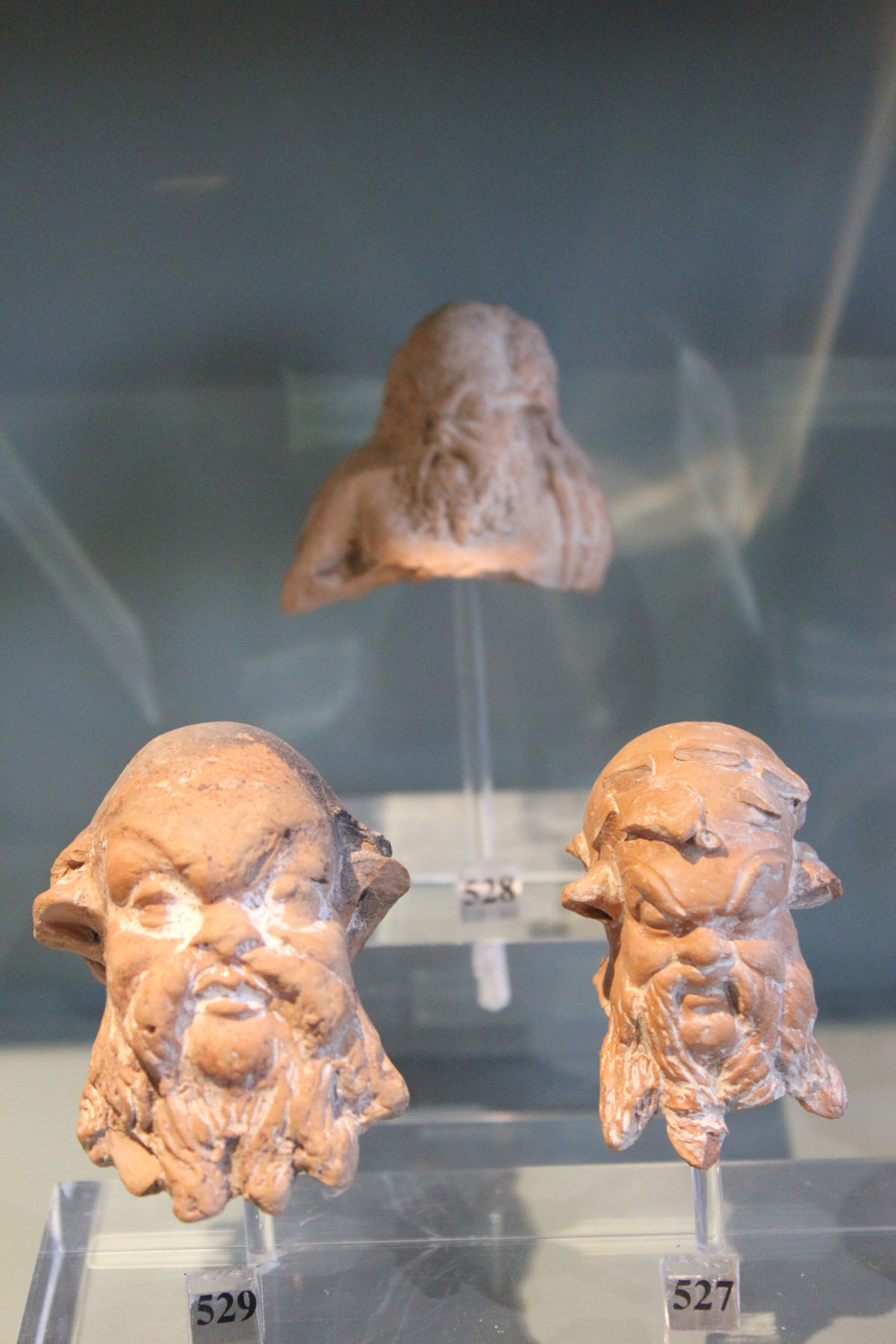
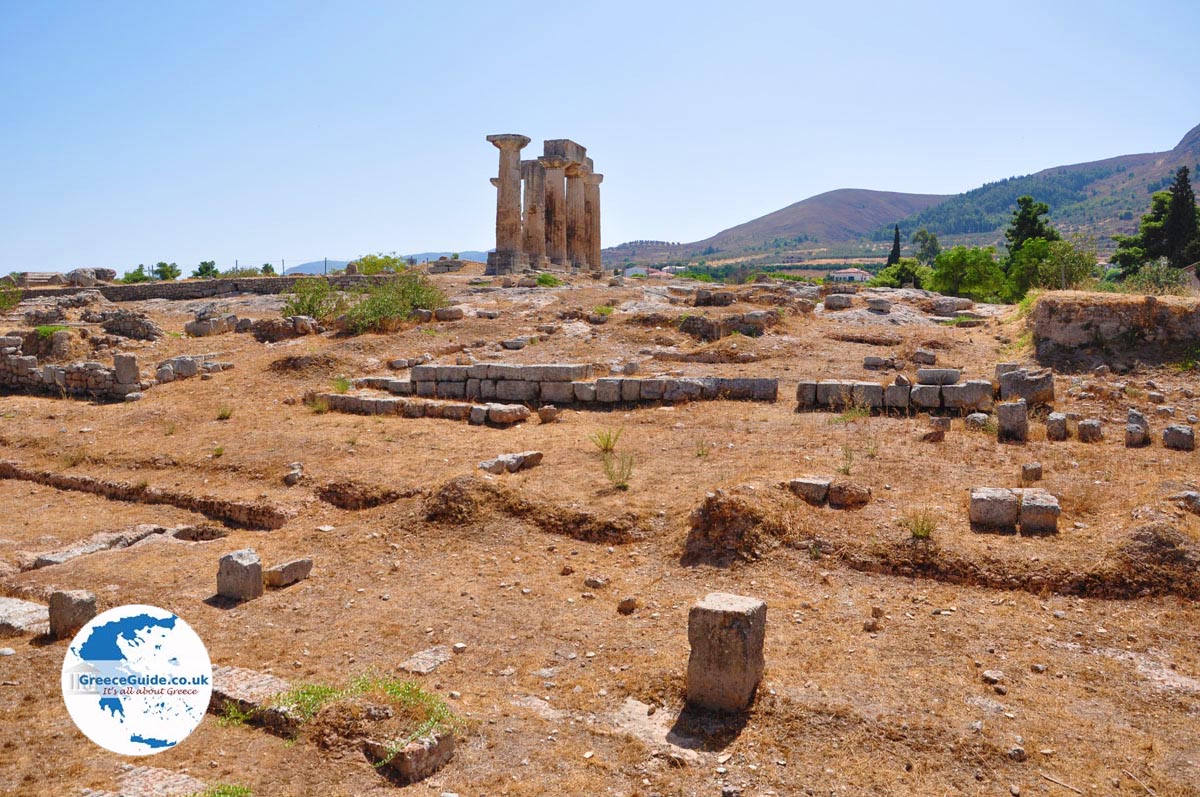
The ruins of ancient Corinth are spread out at the foot of the huge rock of Acrocorinth. The monuments are mainly Roman; only a few are Greek. It is possible to trace, till today, the ruins of the long Walls that once began at the summit of Acrocorinth and descended all the way to lechaion (leheo), the artificial harbour on the Corinthian Gulf. This was the starting point of "Lechaion" road which led to the ancient agora. It was paved with flagstones and lined with sidewalks, arcades and shops. The marketplace was filled with imposing buildings, temples and business emporia. The Doric temple of Apollo (6th c. BC with 1 st c. AD restorations) stands on a knoll to the north of the agora; it is the most important monument of that period. To the northwest of the agora can be seen the ruins of a 4th century BC theatre - which underwent some changes during the Roman era - as well as the Roman Odeon. The museum is in the southwest sector of the site. It contains mosaic floors, Mycenaean and Corinthian pottery, terra cotta sphinxes, statues of two supernatural beings, engraved stones, the Roman head of the Goddess Tyche (Goddess of luck) and small gadgets of various kinds. On the north side of the building one can see the remains of the fountain of Glauke engraved on the rock. Glauke, daughter of King Creon, was the reason why Jason left Medea. In revenge Medea sent her as a wedding gift a poisoned mantle which enveloped the girl in flames the moment she put it on. In order to save herself she leapt into the fountain which since then has borne her name.


Octavia-temple in Ancient Corinthia.
Photo: Frans Kemps


Acrocorinth

The imposing mass of Acrocorinth (Akrokorinthos) rises out of the ground at the edge of the ancient city. At the top of the pinnacle, at an altitude of 575 meters, stood the acropolis of Corinth during ancient and medieval times. This is the largest and oldest fortress in the Peloponnese. The Franco-Byzantine-Venetian fortifications (built atop the ancient walls) and Turkish additions have left deep signs of their successive claims to supremacy. At the summit, which offers a magnificent view, there ware a vast number of shrines and temples dominated by the Temple of Aphrodite. Lower down is the Upper Peirene Spring. Pausanias mentions that Peirene was a woman who was transformed into a spring due to the tears she shed for her son who had been killed by Artemis.

The mountains of Corinthia
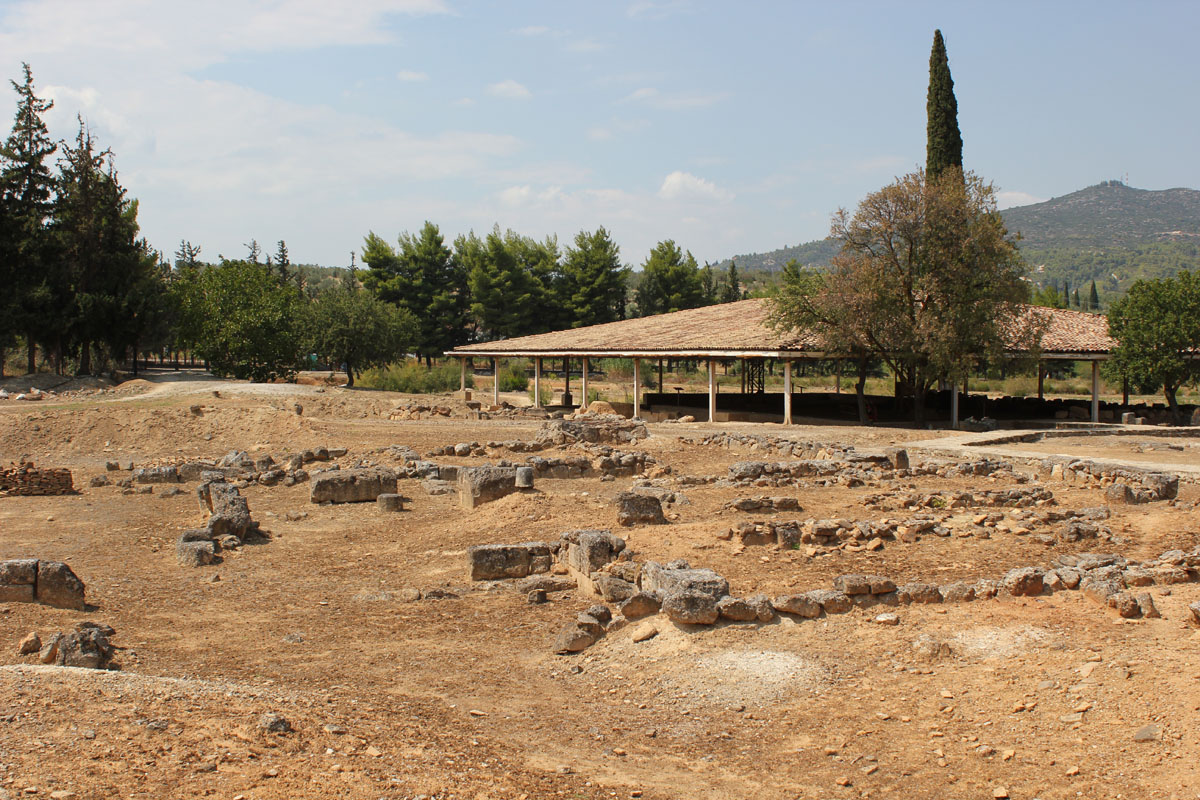
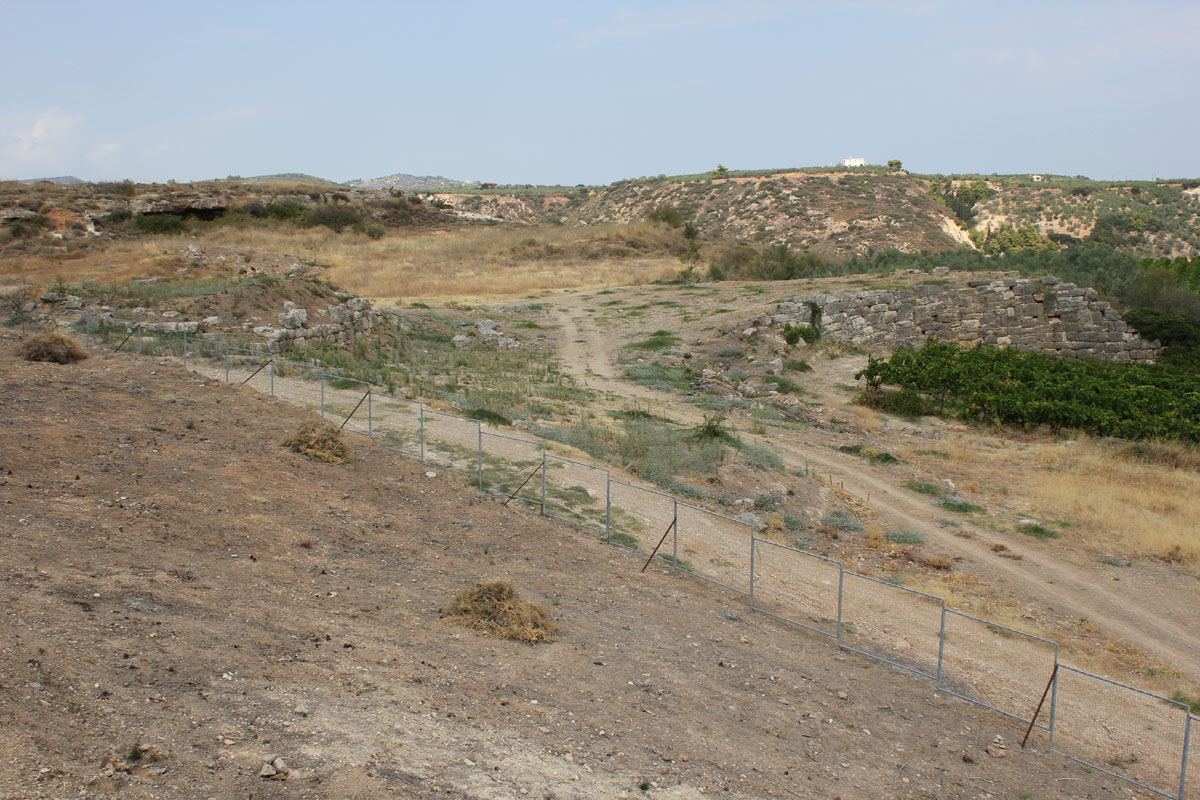
From Acrocorinth the road continues on to Nemea. Here the soil is yellow and dry, ideal for the cultivation of grapes. The whole district is covered with vines. The neighbouring village of Herakleio is the witness to the passing of the mighty Herakles. It was in this area that the legendary hero slew the fearsome Lion of Nemea. There is not much left of ancient Nemea: three columns from the temple of Zeus, a few foundations, the outline of a palaestra and, 500 meters down road, the stadium. It was here that the Pan-Hellenic Nemean Games ware held, in honour of some local hero. They look place every two years and the victors' reward was a crown of wild celery. From Nemea the road leads to Stimfalia, a mountain village in the region of Ziria. The lake no longer harbours man-eating, iron winged birds; they ware destroyed by Herakles. All that is left is the ruined temple of Artemis (Diane) and the walls that encircled the old city. In the region there is also a Frankish church (13th c.) and ruins of a Frankish castle. At the foothills of Ziria (Mount Killini, where Pausanias had seen white blackbirds), between the villages of Goura and Feneos, every year on the second Sunday of September a big fair is held.

The road proceeds to Kastania, a charming mountain village (alt. 920 m.), surrounded by fir trees. It is one of the most popular places in Corinthia for winter holidays. One more revelation amongst the pine - and fir clad slopes of Ziria is Trikala village (alt. 1,300 m.). The Ziria refuge lies 5 km. from there. From Nemea visitors are directed through Dervenakia pass where the hero of the Greek revolution Kolokotronis (called also "Old Man of the Morea"), destroyed a Turkish army. The road for Argos runs through it, while another road leads to Hiliomodi, Klenia and Agionori, where there is a medieval castle and a church with lovely frescoes.

Western Corinthia
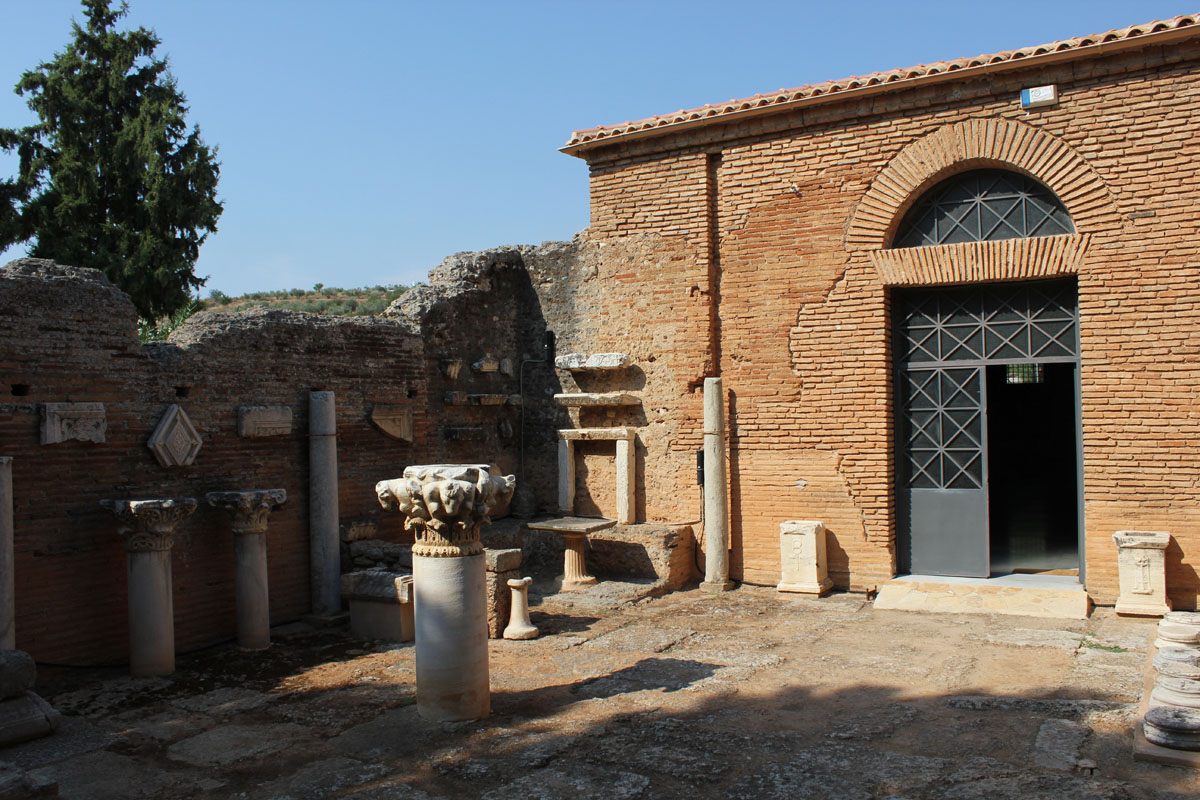
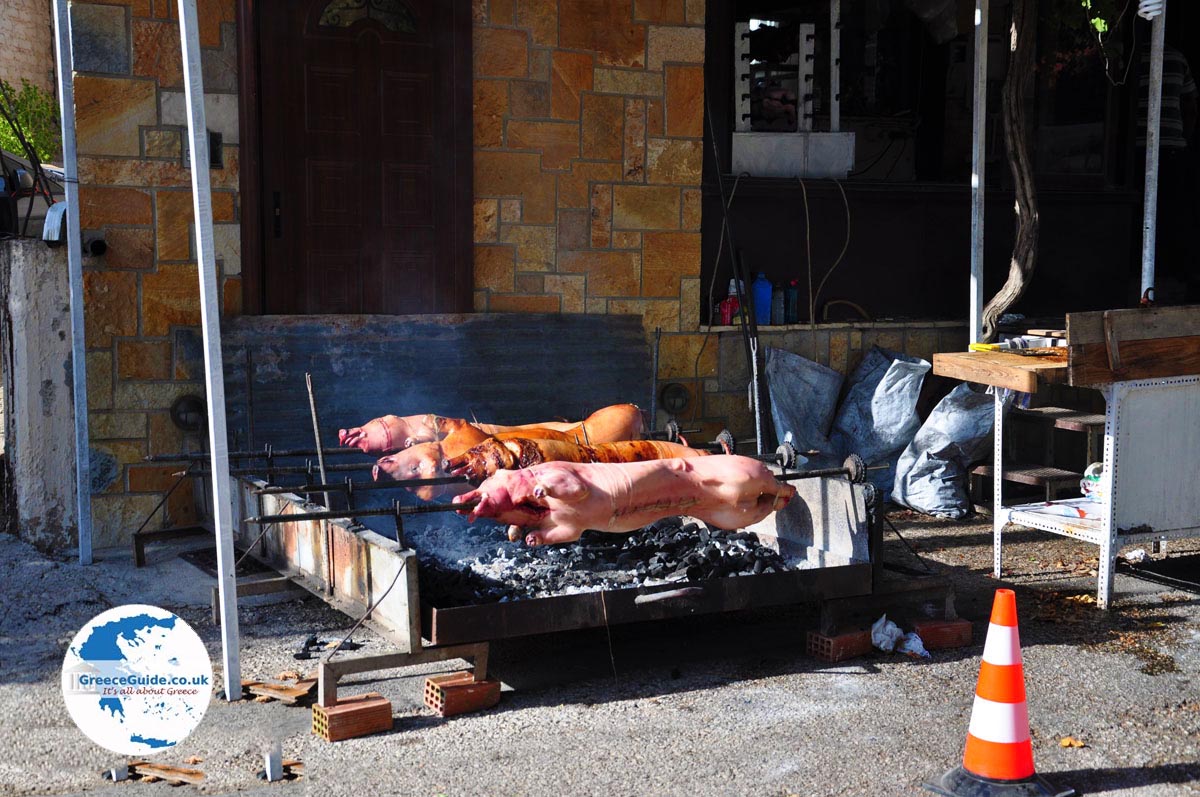
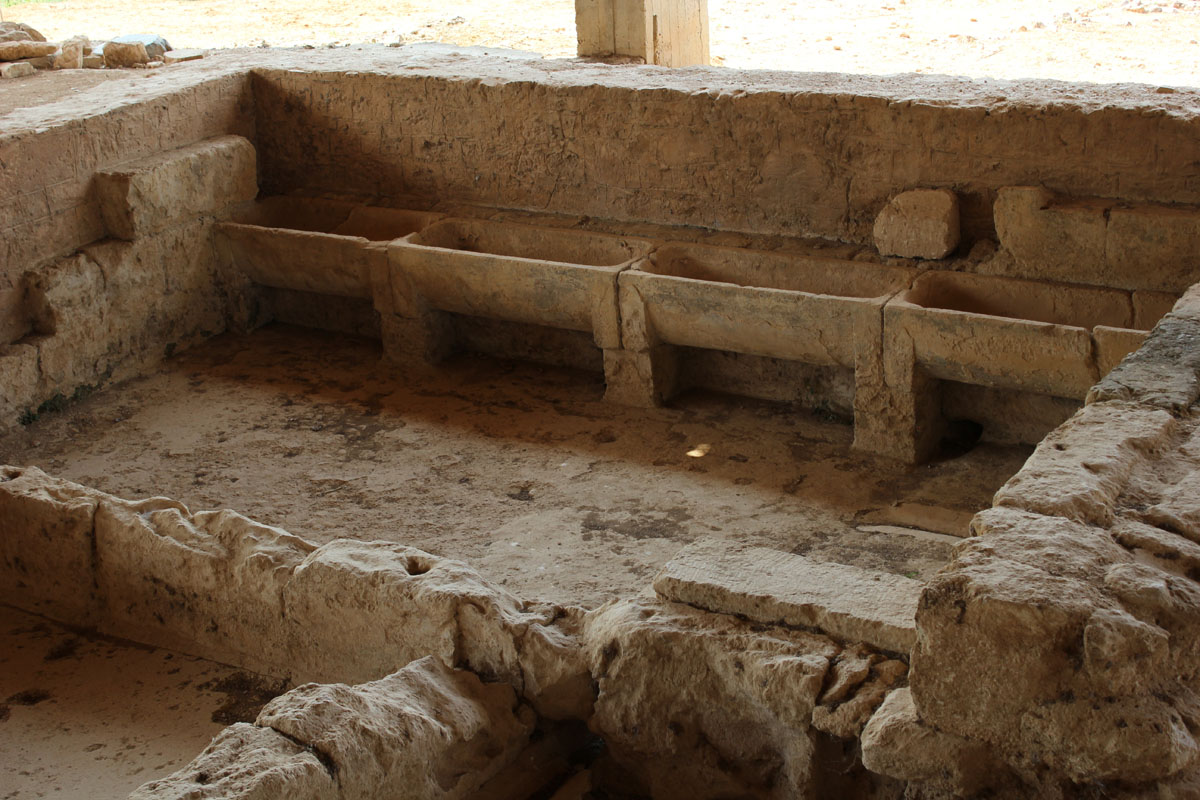
Scattered along the National Road from Corinth to Patras are pretty little villages near the sea. Villages that promise quiet places, good food with fish and seafood, friendly discussions with locals, a swim, hot sand and unforgettable sunsets. To reach Kiato, a town in the midst of a huge orchard the road traverses a series of villages Perigiali, Assos, Vrahati, Kokoni, Velo. Octopuses, the fisherman's favourite food, are hanged on the share, drying in the sun.There are no antiquities here, just sand and pebbles being tossed tirelessly by gentle waves. After Kialo a quick visit to the Hellenistic ruins of Sicyon (Sikiona) is a must. What has remained from the ancient city are just the ruins of the agora, of a temple, of the bouleftirion, of a theatre and a stadium. The Roman baths, the most important monument, have been refurbished and converted into a museum where are exhibited findings from around the area. Long the coast road, villages pass before your eyes in an endless procession. Diminio, Melissi, Sikia, Xilokastro -each one being a pleasant place 10 make a short break. And all along the way, fruit trees, pines and even palm trees rustle in the breeze. Kamari, Loutro, Likoporia, Derveni. Bays and coves and lapping waves. Places that can make memories revive and at the same time they can erase all of them at once. Sit in a taverna, under a grape arbour or in the shade of soma leafy tree, and enjoy the tasty cooking of Corinthia: a charcoal grilled fish, wild herbs boiled, fried potatoes, feta cheese, olives, wine under the scented, sun-drenched vines and .... cheers!


Source: Greek National Tourism Organisation


Back to
Greece

Copyright JustGreece.com and De Griekse Gids®
Contact