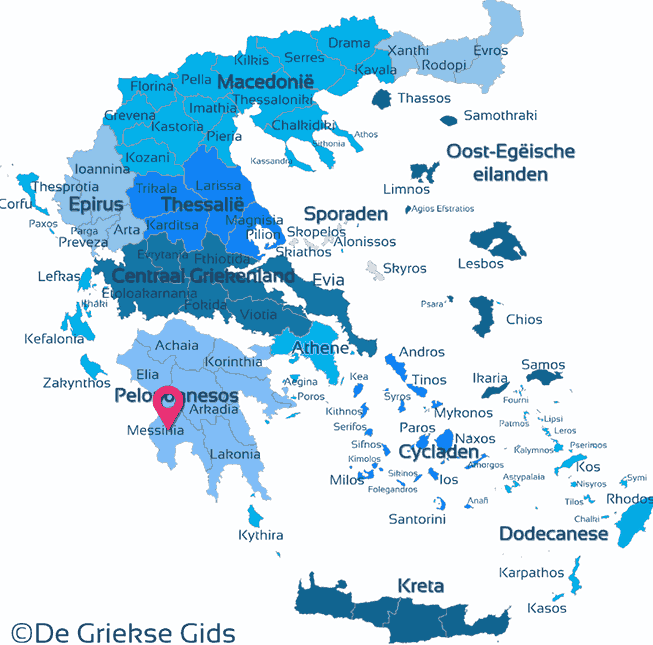
The Messinia
JustGreece.com
Holidays in Messinia
Messinia

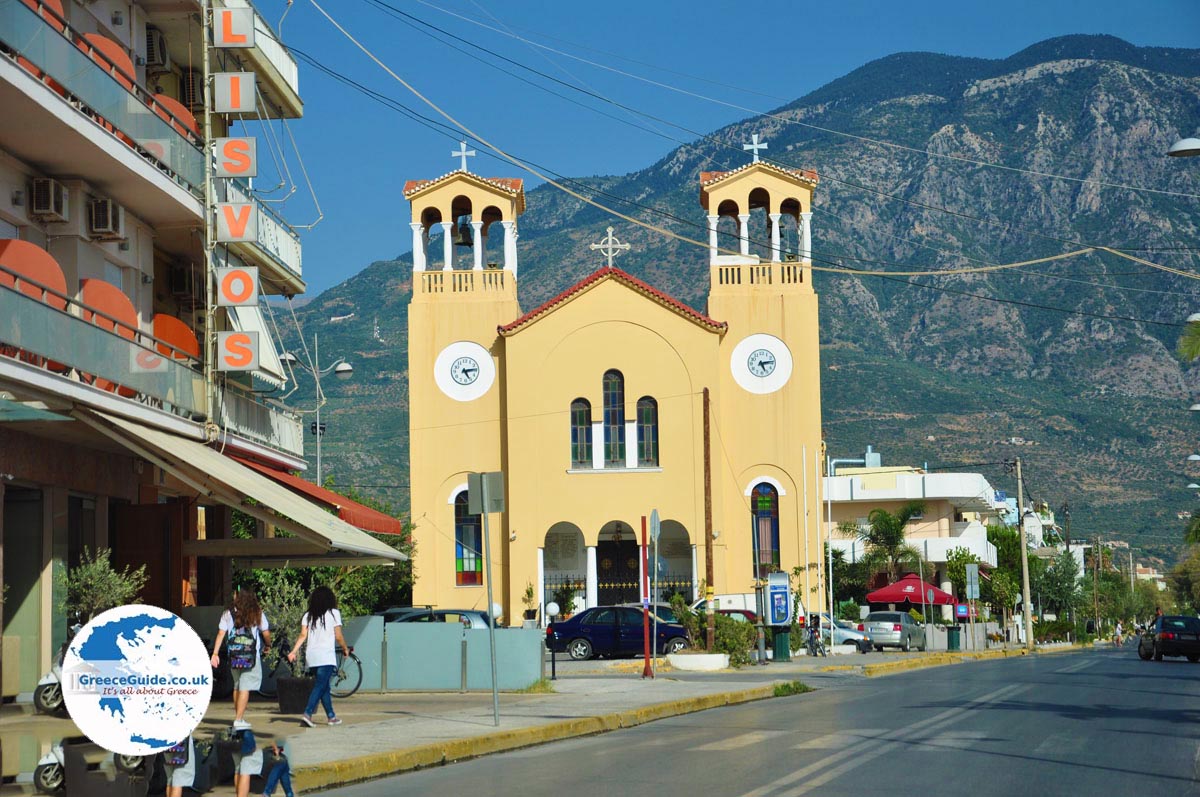
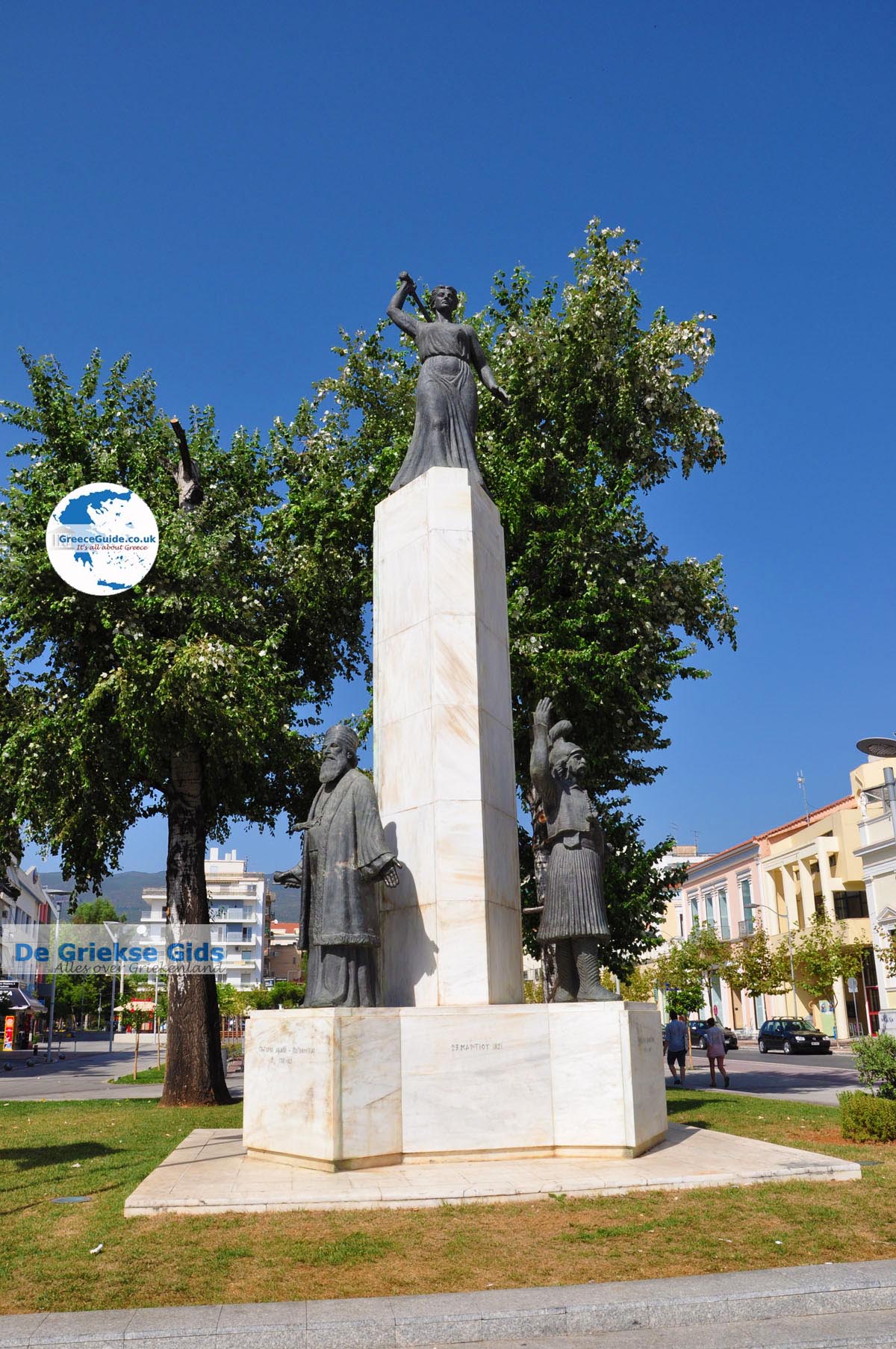
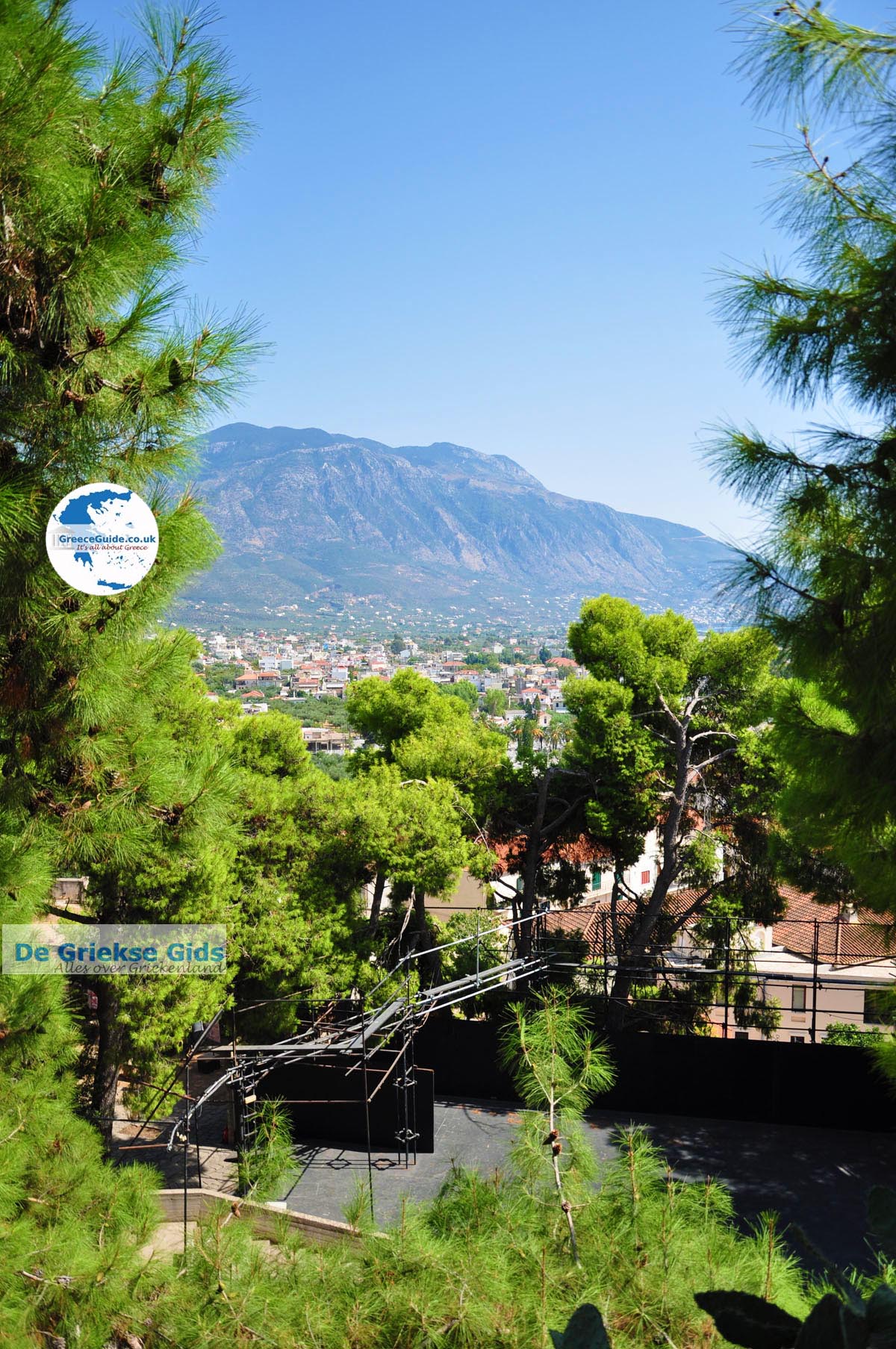
MESSINIA. Kalamata is the capital and main port of the prefecture; a town refereed in many songs, the land where Kalamatianos dance was invented and where the silk kerchiefs are produced. A land related to succulent black olives, honeyed figs and the sesame-covered sweet called pastelli. The town is dominated by the castle built on the 13th century by Geoffrey de Villehardouin. On the north side of the citadel there is a small Byzantine church, dedicated to the Virgin of Kalamata (of the good eye), from which the town may have acquired its name. From the castle one can observe the expanse off sea below with its sandy and pebbly shores or turn his gaze upon the deep green plain, the "happy land" of the ancients. The old city is spread out underneath the castle. This is where the Byzantine church of the Virgin Ypapanti and the convent of the Kalograies, where the nuns weave the famous Kalomata silk, are situated. There are many churches in town, the oldest being the historic church of Agii Apostoli (13'" c.), where the Greek Revolution against the Turks was formally declared on March 23, 1821. Kalamata has an archaeological and folklore museum, a fine arts museum and a library containing 60.000 volumes. During summer, cultural events like concerts and plays performed by Kalamata theatre are held in the amphitheatre of the castIe. In the evening, the town Games alive, especially along the waterfront which is lined with taverns, seafood restaurants and rotisseries serving local dishes and drinks, fresh fish, roast suckling pig and chicken, sausages, cheese, olives, retsina wine and raki.

The landscape, the people
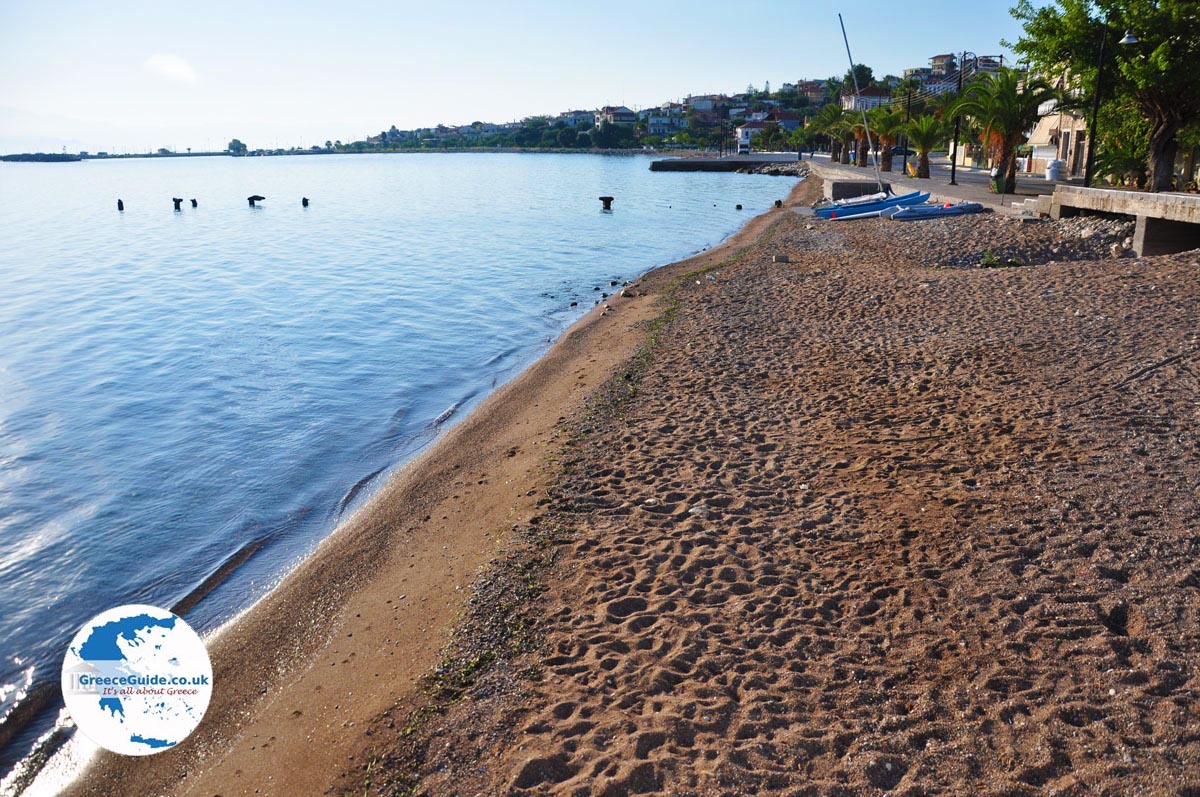
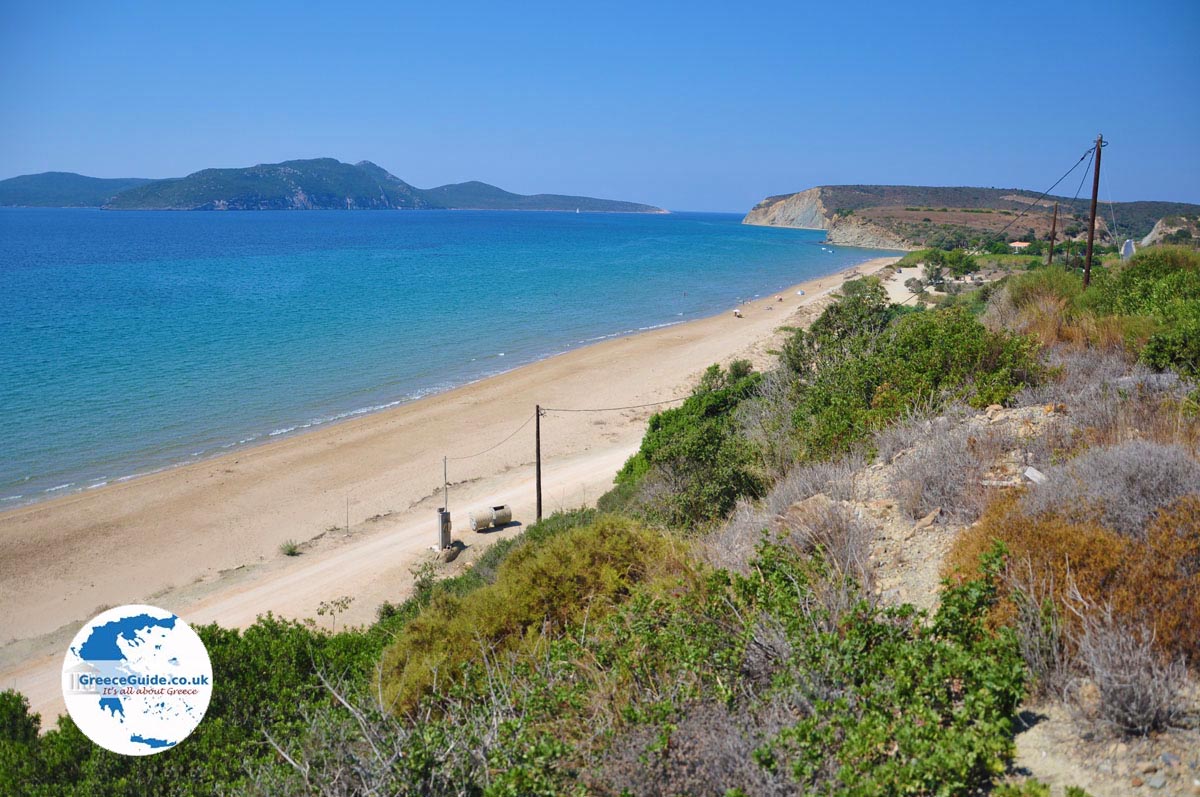
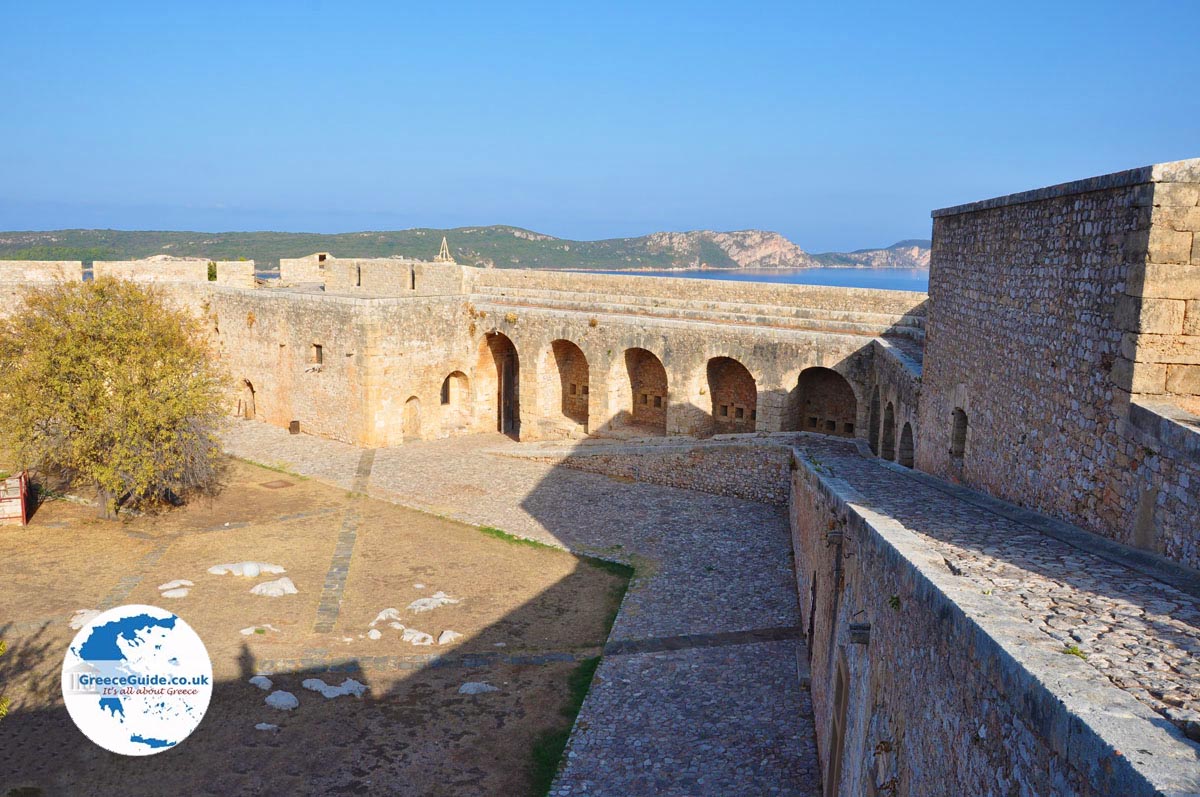
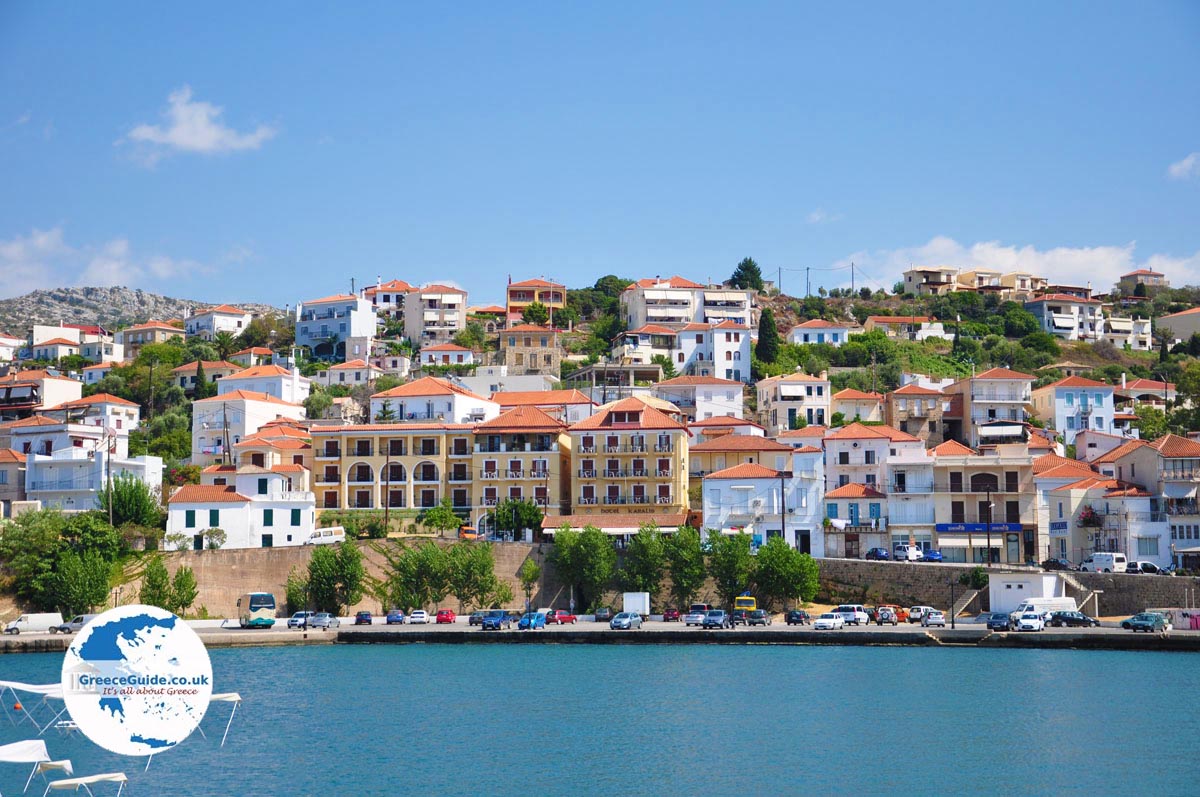
From neighbouring Eleia one can already feel the charm of Messinia land. Euripides sung its praises, calling it "a land of fair fruitage" watered by innumerable streams, abounding in pasturage for cattle and sheep, being neither very wintry in the blasts of winter, nor yet made too hot by the chariot of Helios. This is how Messinia remains till today. Long, cool summers, the sweetest of springs, gentle autumns, and mild winters, many springs and abundant water, fertile soil, verdant mountains. The first stop is Kiparissia. The town sits as if wedged into the base of its fortress, its lower districts reaching as far as the sandy share lapped by the lonian sea. Round about the castle is a plain planted with olive trees and grapevines. The sea opens into an infinite expanse of azure. It is said that the view of the sunset from the castle is one of the most splendid in the world. Everything here is imbued with history and a fascinating light. Everywhere there are ancient, Byzantine and Frankish monuments. Peristera is not far from Raches village (5 km. from Kiparissia), where three beehive tombs have been excavated. Filiatra is not far off either. The whole district is dotted with Byzantine and Frankish churches, of a venerable age. Gagaliani sits on a rush hillside. It's worth going up to the town to see the view below: a magical carpet of olive trees and vines that stretches to the sea with Marathoupoli and the islet of Proti, the site of a ruined Mycenaean acropolis, in the background. Hora is built on a hilltop. This village has preserved its old-fashioned appearance - stone houses with tiled roofs and narrow lanes. The finds from Nestor's palace and Peristera are on display in the local museum. South of Hora, 4 km. from Englianos, lies the ruined palace of wise Nestor, who took part in the Trojan War and whose city was the second largest in the Mycenaean world. Built in the 13'" century BC, the palace was destroyed by fire a century later. Excavations have revealed the remains of a luxurious, two-storey central building and two other auxiliary buildings. The buildings ware divided into formal apartments, storage areas for wine and oil, tool sheds and workshops. The central apartments - the throne room with its stuccoed-clay ceremonial hearth and the queen's quarters - ware richly decorated with frescoes. In the palace archaeologists discovered thousands of clay pots, a bathroom with terracotta bathtub and 1,250 day tablets with inscriptions in Linear B, which have been excavated in the area surrounding the palace. From Hora to Pilos the countryside is laid out with row upon row of olive trees, those benevolent trees protected by Athena. Pilos is a pretty little town built up a hill on the south coast of the bay of Navarino. Snow-white two-storey houses with court yards drenched in flowers. The arcaded streets make you think you've been transported to an island. The main square ringed with pastry shops is sheltered by humongous, centuries-old plane trees. The TurkoVenetian fortress, known as Neokastro, dominates the west side of town. One of the most attractive in the Peloponnese, it is called that to distinguish it from the ancient fortress to the southwest, named Paliokastro or Palionavarino. The bay of Voidokilia extends from the base of the old castle. A tranquil sanctuary, the floor of the bay is covered with a thick layer of sand. A the southernmost tip of the west coast of the Peloponnese lies Methoni. In the town are some enormous Venetian wells whose marble rims are furrowed by the pressure of huge ropes over the centuries. Homer called Methoni "rich in vines" and tradition maintains that the town is so called because the donkeys (onoi) carrying its wine used to get drunk (methoun), from the heady aroma. To enter the castle visitors cross a massive bridge; they are impressed by the gigantic walls, imposing bastions and monumental gates. To the south another bridge unites the citadel with the Bourtzi, a fortified islet with casemates and towers. But there's much more to see in Messinia. Finikounda is a picturesque fishing village at the back of a bay. Caiques and fishing boats are drawn up all along its sandy shore, while the taverns serve their fresh catch to little tables at the water's edge. The road winds like a vast serpent slowly amidst lush fields to arrive at Koroni. Its medieval atmosphere is imprinted in its old mansions, its churches and its castle. Still, crystal clear water, sandy beaches and opposite the little island of Venetiko with its enchanting beach. From its hilltop site the Venetian citadel crowns the town. A proper eagle's nest, with thick walls and massive gates, it cuts a powerful and magnificent figure. Below the fortress in a little palm grove is a small building housing Koroni's collection of historical and archaeological artefacts. The beauty of the area, unchecked, unbroken, is a constant surprise. Petalidi juts out from the head of a little bay. The sandy or pebbly beaches are shallow and sheltered from the wind. All around there are gardens with banana trees. This place is really unforgettable.

Central Messinia
Traversing central Messinia there are a lot of small villages - mini paradises- harbouring ruins of prehistoric settlements, ancient temples, medieval castles and Byzantine churches. And every so often friendly cafes for a cup of coffee and a "kalimera" (good morning).

Mavromani-lthomi
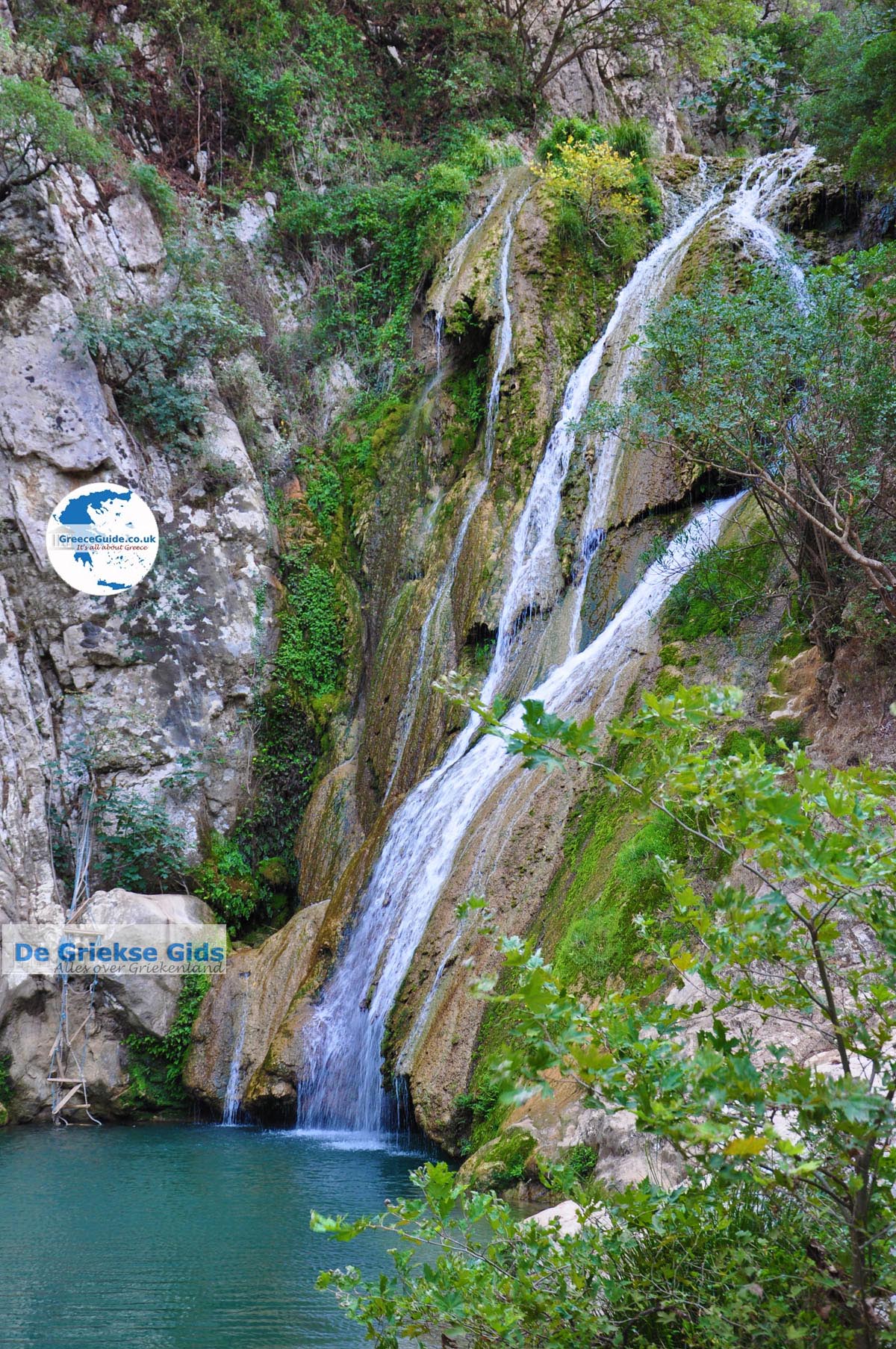
Mavromati (32 km. from Kalamata) is a small village built like an amphitheatre up the foothills of the sacred mountain of Ithomi, today called Voulkano, where the sanctuary of Zeus Ithomatos was located. According to a legend Zeus was not born in Crete or on mount Olympos but here at Ithomi, where he was brought up by two nymphs. Ithomi and Neda. Water flows from the heart of the mountain splash out in the centre of the village. The water gushes violently and crystal-clear from an opening that locals call "the black eye" (mavro mati), which gave its name to the hamlet. It was in this stream that the nymphs used to bathe baby Zeus. It is also called the Kallirhoi fountain and Pausanias referred to it as the Spring of Arsinoe. Dotted with important ancient sites, the land in the area is watered by this spring.

Brief history
After the battle of Leuctra (371 BC) which marked the and of Spartan domination over the Peloponnese, the Theban general Epaminondas built the town of Messini, naming it after the first queen of the region, and the fortress of Ithomi (369 BC). The new city became the capital of the liberated Messinians.

Ancient Messini
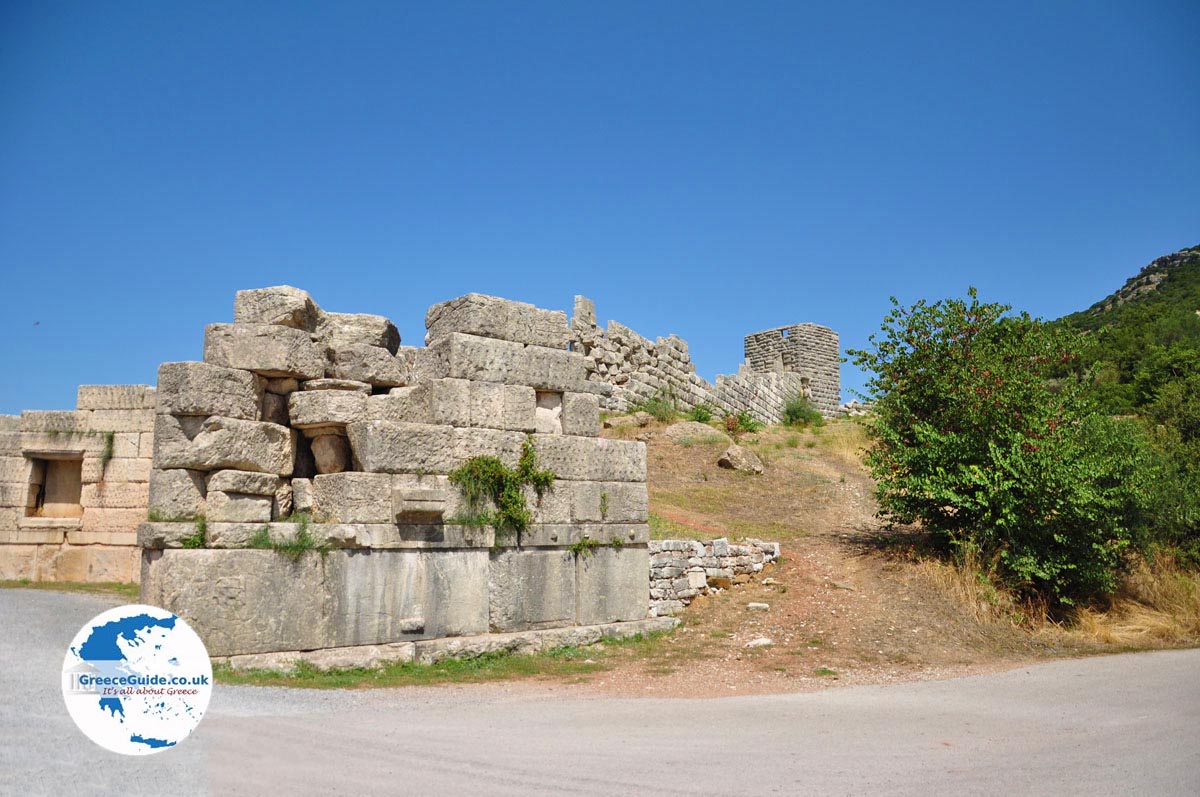
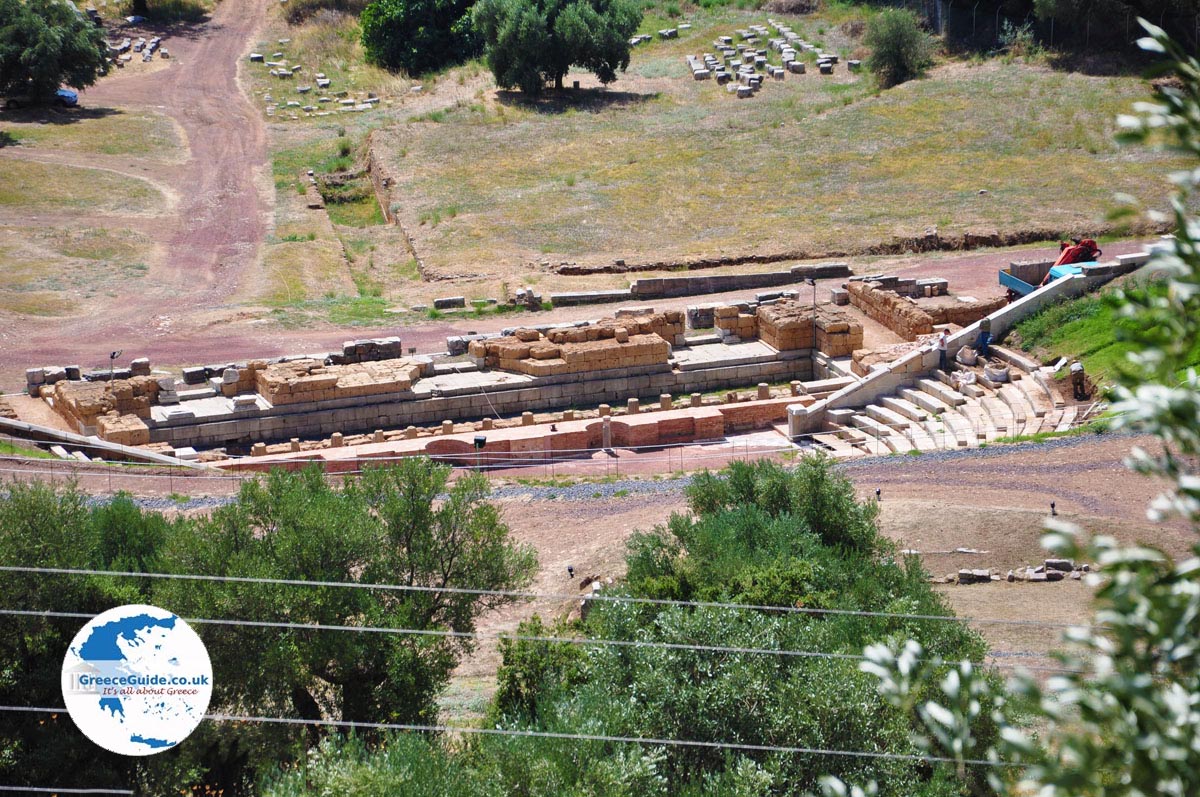
The city was protected by a circuit wall (parts of which are still standing) 9 kilometres long and 3 meters wide. It is considered one of the finest samples of military architecture of the 3,d and 4th century BC. The wall was interrupted at intervals by massive gates reinforced with two-storey towers and battlements, which look their name from the direction of the roads that started from them. Four of the gates have been preserved, of which the main one is the Arcadian Gate to the north, where the road to the village of lerbissia originated. It is paved with large slabs which bear the traces of chariot wheels. The heart of the walled city lies at the spot occupied by Mavromati today. Here the locals seem to be saluting their great forebears. Among its public buildings Ancient Messini had temples, a theatre, a stadium and a cemetery, not to mention houses. The discoveries excavated here up to now constitute a very important archaeological entity. There is a guard-guide on site, who has the key to the small museum in the village in case a visitor wishes to see the findings from the area.

The Virgin Voulkaniotissa
The fertile plain of Messinia starts at the lower boundary of the village. There is plenty of olives, grapevines, gardens, fruit trees, figs, sweet-smelling plants, shrubs, fences of blackberry bramble and prickly pear. Every so often you come across a local riding a donkey or on foot. You will spot him again later in the village café chatting quietly with his cronies, sipping thick sweet coffee or fiery raki. In the market place cafes and taverns have spread their tables under the shade of plane trees and vines. A path leads from Mavromati to the summit of Mount Voulkano. There, on top of the ruined temple of Zeus Ithomatos, a convent was erected during the Byzantine period. Dedicated to the Virgin, it contains frescoes (maintained in good condition) of the Cretan School dated 1608. According to tradition some hermits found the icon of the Virgin Voulkaniotissa in this spot, which led to the building of the convent. Between Mount Voulkano and the lower hill of Agios- Vassilis, a bit below the saddle of the two mountains, there is the large monastery of Voulkano, built in 1625. Descending from the summit visitor encounters the remains of the temple of Artemis Laphria or Limnatida, the Laconian Gate, and further off, the monastery, amidst the trees. The main treasure of the monastery is the old icon of the Virgin. Every year, on the 15th of August a big festival is organized; faithful people take the icon up to the mountain to its first home, the convent on the summit. The village of Samari is not far from Mavromati.

Outside the village at the place called Kalogerorahi, there is the church of Samarina dedicated to the Zoodohos Pighi (Source of Life), a cruciform church with a dome (12th AD). It has an impressive bell tower, with mosaic flooring and frescoes of the 12th, 13th and 17th centuries. A sign points the way to Androussa, a market town with a strong local colour and ruins of a Frankish castle and an aqueduct built during the reign of Andronikos Palaiologos. Twelve kilometres from Androussa, near the villages of Petralona and Manganiko in an area thick with plane trees, lies the famous Andromonastiro or Andreiomonastiro, a monastery thought to have been founded in the 14th century by the emperor Andronikos, from where it look its name. This, too, is a cruciform church with a dome. The frescoes (of the same period as those in the Samarina) are partly erased by smoke, time and neglect, but impressive nonetheless.

Messinian Mani

Olijfboom bij Stoupa.jpg
 Stoupa
Standje tussen Stoupa en Kardamili.jpg
 Stoupa - Kardamili
6~0.jpg
Stoupa Mani
7~0.jpg
 Stoupa Mani
8~0.jpg
 Stoupa Mani
11.jpg
Stoupa Sunset  


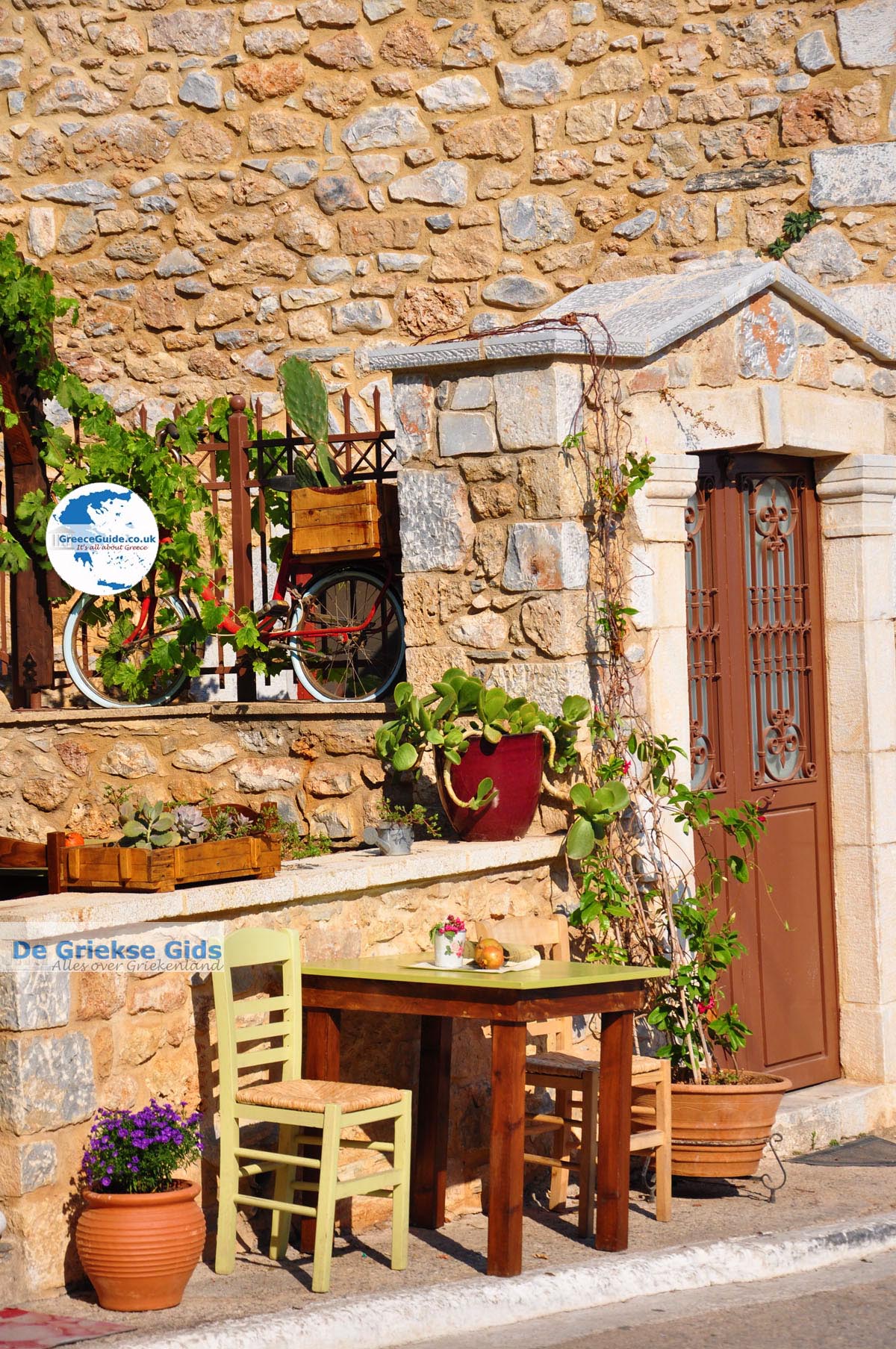
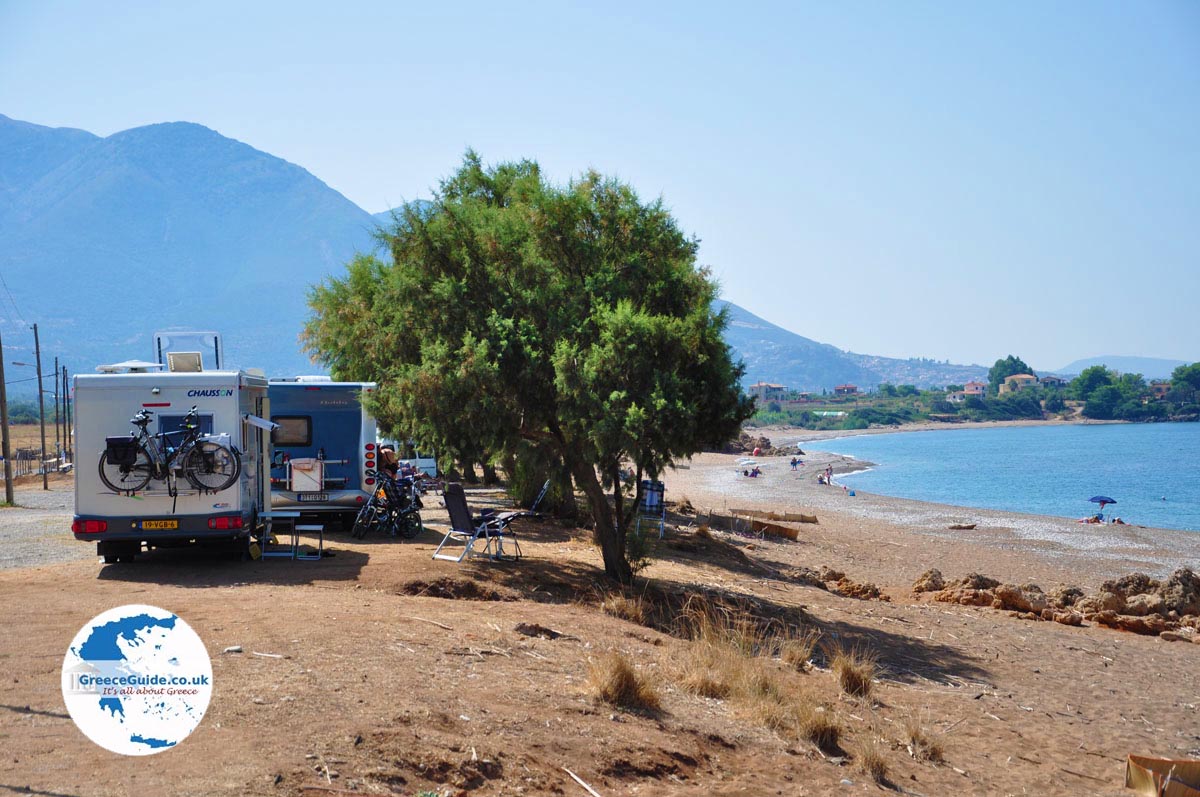
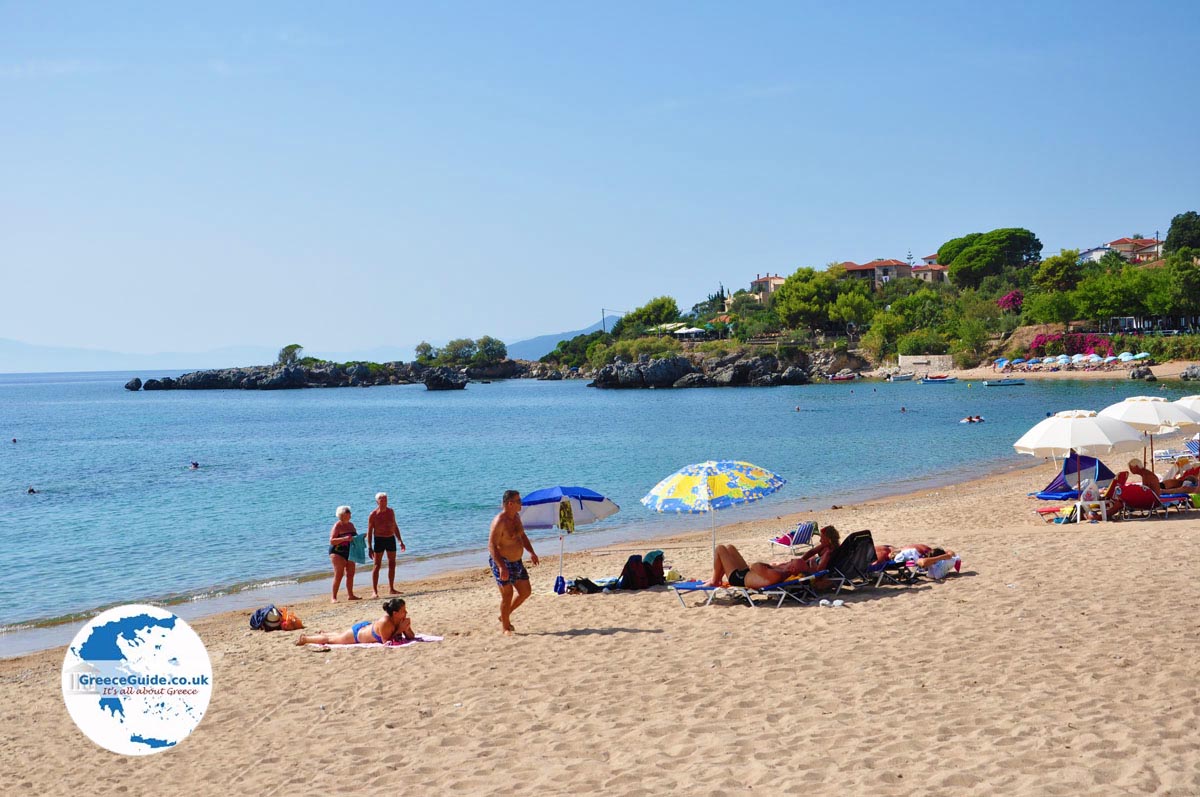
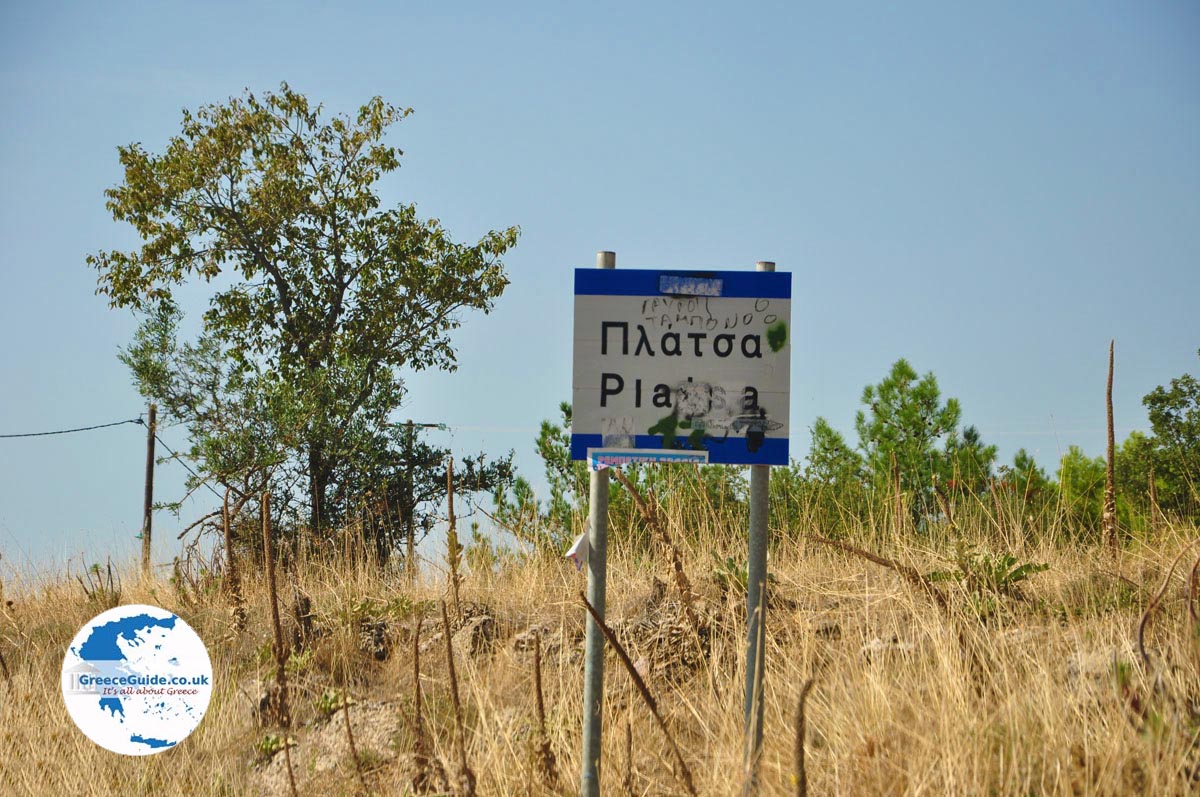
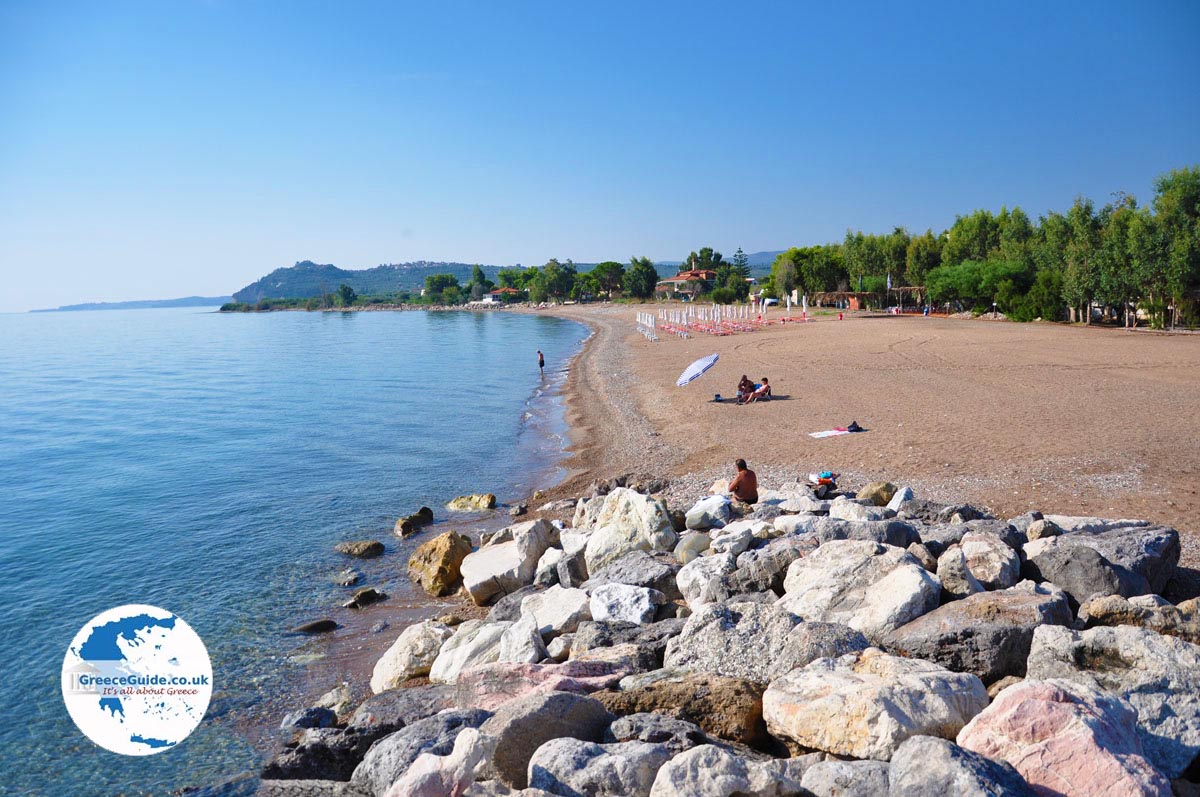
Opposite Kalamata lies Almiro, on top of it is MI. Taigetos, called the "masculine mountain" and next to it the sea, the Gulf of Messinia. Almiro is a small settlement by the sea with a clean pebbly beach and translucent waters. This is where the Messinian Mani begins. The landscape is so different like if it was another country. It is abrupt, plunging headlong towards the sea. With wooded slopes and rugged peaks; brooks and torrents; deep gorges and high ridges. Only by the sea the landscape seems peaceful. Mikri and Megali Mantinia, Avia, Ano and Kato Verga Akrogiali, Kitries are some of the villages. Sand and pebbles and little coves but also pine and fir woods and crystalline springs, solitary chapels and caves once the dwelling place of nymphs and lined with stalagmites. Hamlets hidden in the mountainsides and hamlets on the water's edge. Stone houses. Sitting rooms with fireplaces. Flower-filled court yards. Cobbled lanes. Byzantine churches and castles. Smudged frescoes and tall towers. Painted archangels and slits in the walls for shooting. The more the visitor penetrates further into this astonishing land, the more he feels he wants to get to the heart of it, to play with it, to fight for its sake. To breath the perfumed breeze that wafts down from Taigetos or to let himself free while swimming alone in a delightful cove. More towers and churches (Kardamili) and more wild gorges (Diros) and after a while typical Mani towers again and charming fishing villages and another irresistible cove (Stoupa). On to shiny rocks and fabulous caves (Katafighi), more churches and bell towers (Thalames - Platsa) as the visitor keeps walking, a bit bewildered but proud, and happy to be alive in such surroundings. Words cannot describe the beauty and wealth of this land!


Source: Greek National Tourism Organisation


Back to
Greece

Copyright JustGreece.com and De Griekse Gids®
Contact