Syros - Cyclades (Greece)
Syros. Syros is a Greek islands in the north of the Cyclades in the middle of the Aegean Sea. It is about three-hour boat ride from the main port of Piraeus (Athens), it is also accessible by domestic flights from Athens.
At present, international flights are not possible because the airport is not large enough for big airplanes to land. Syros covers an area of 84 km2 (32 mi2). More than 20,000 inhabitants live on Syros, on average about 250 inhabitants per square kilometer.
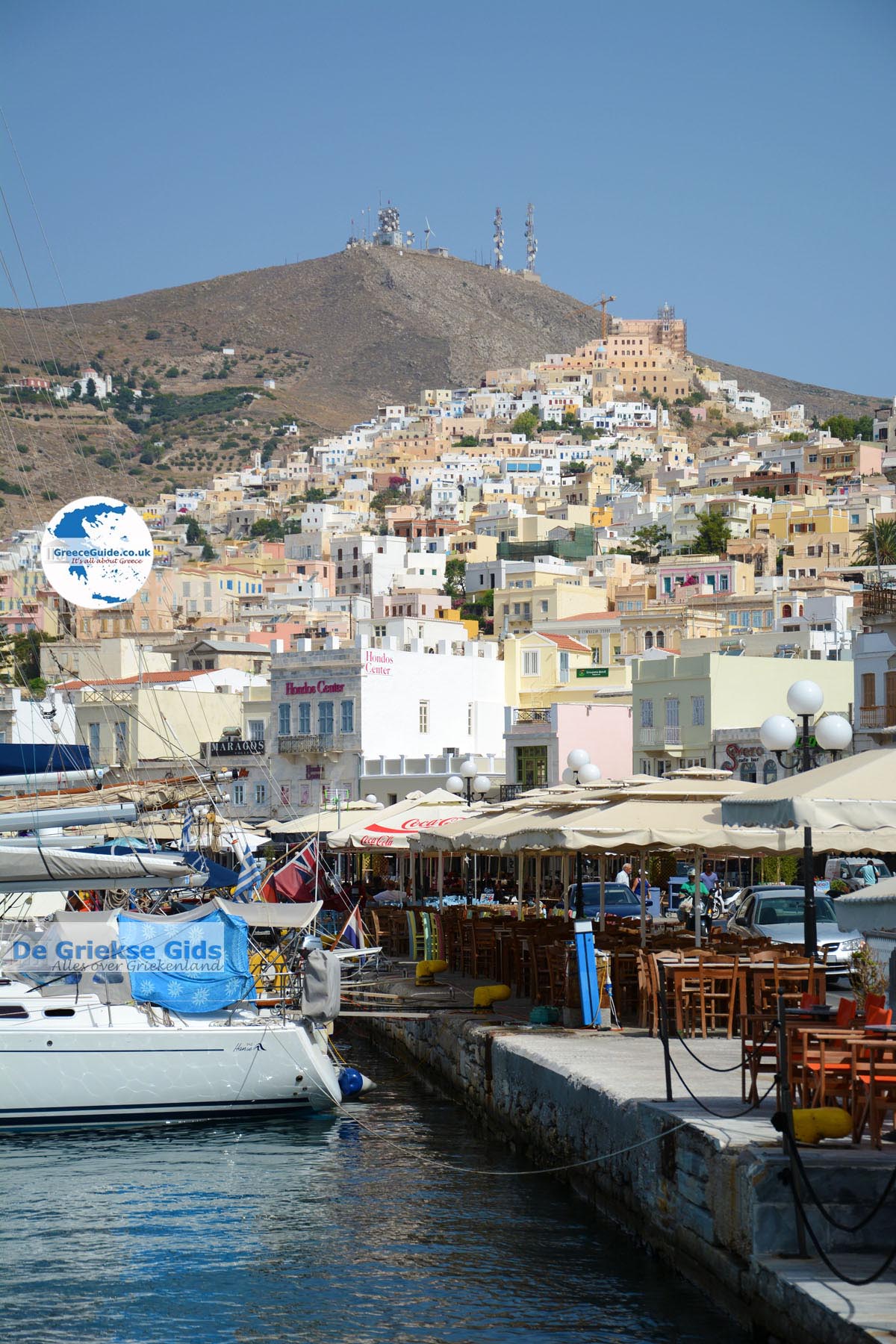
Most inhabitants live in the capital Ermoupolis, named after God Hermes. Ermoupolis though is not just a city. One hundred fifty years ago this city was one of the elite towns in the Mediterranean and received the "crème of the crop" of high society.
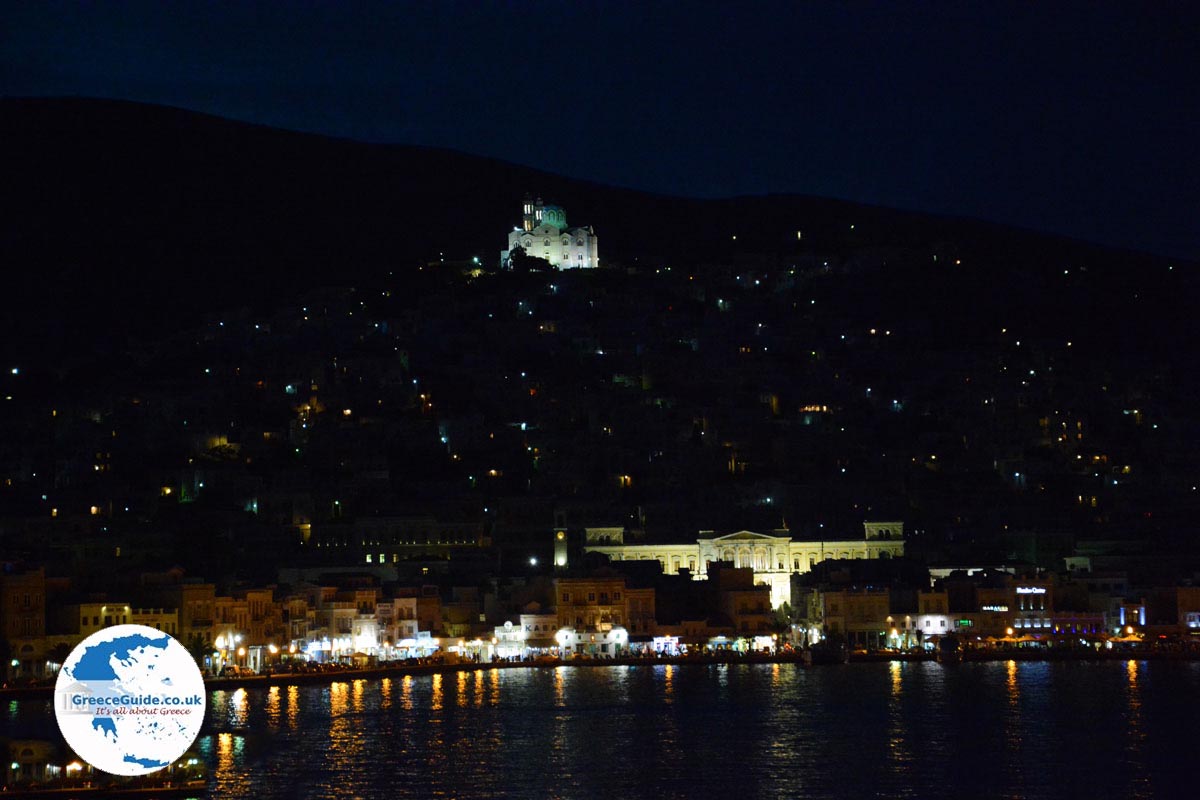
When you visit Ermoupolis today, you will be surprised with the town. The town has lots of impressive mansions, squares, churches, theatres and other buildings. Ermoupolis is definitely an elegant and impressive town.
It is built on the slopes of two hills. The heart of Ermoupolis is the Miaoulis Square. Here on this square, lies the striking town hall and it’s here that most inhabitants of the island come together to drink a frappe or to catch up on the latest news. The square is busy day and night. Impressive buildings in Syros are the Town Hall and the more than 150 year-old Apollo Theatre.
Photo Gallery Syros - Photos of Cyclades
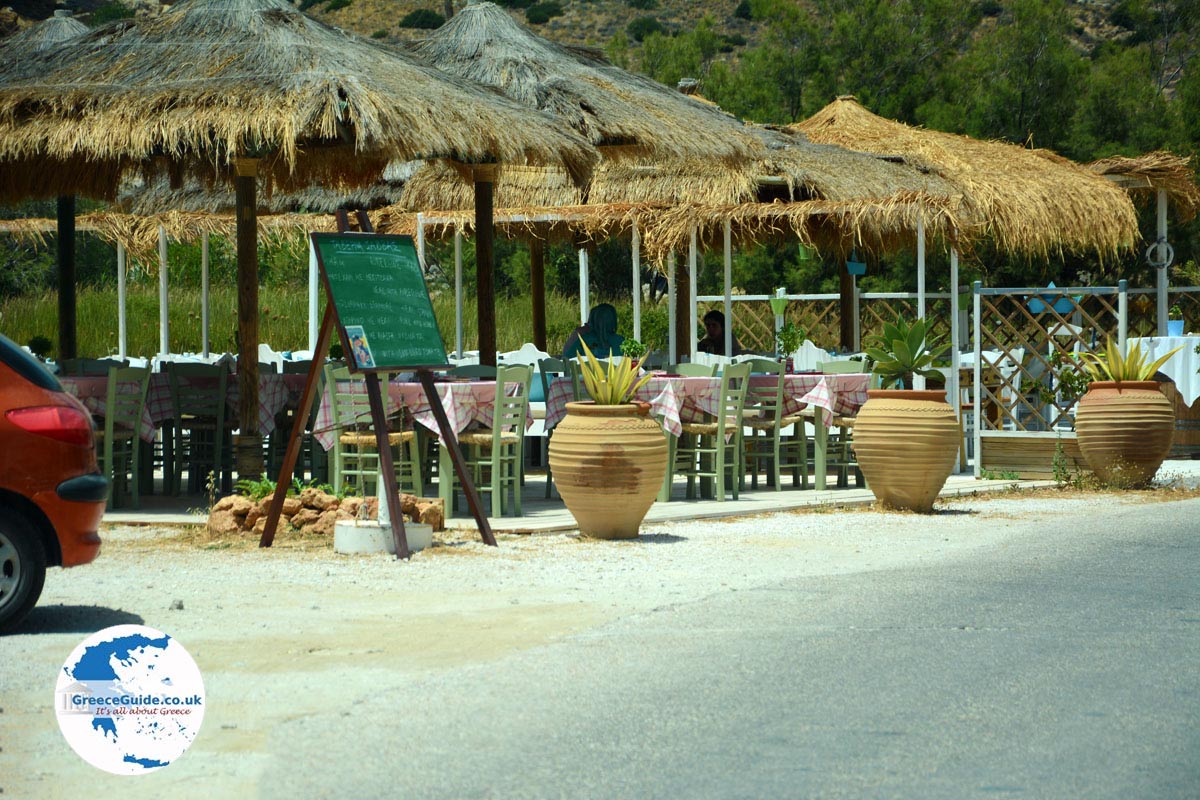
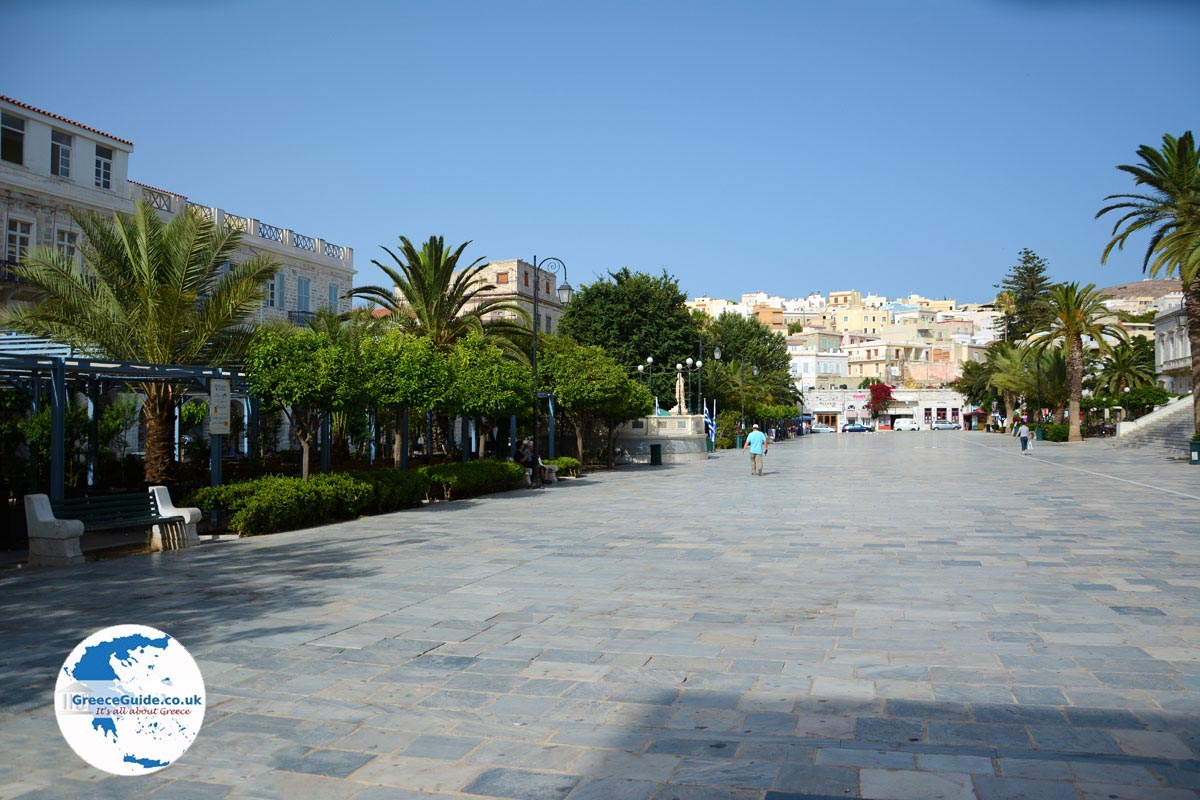
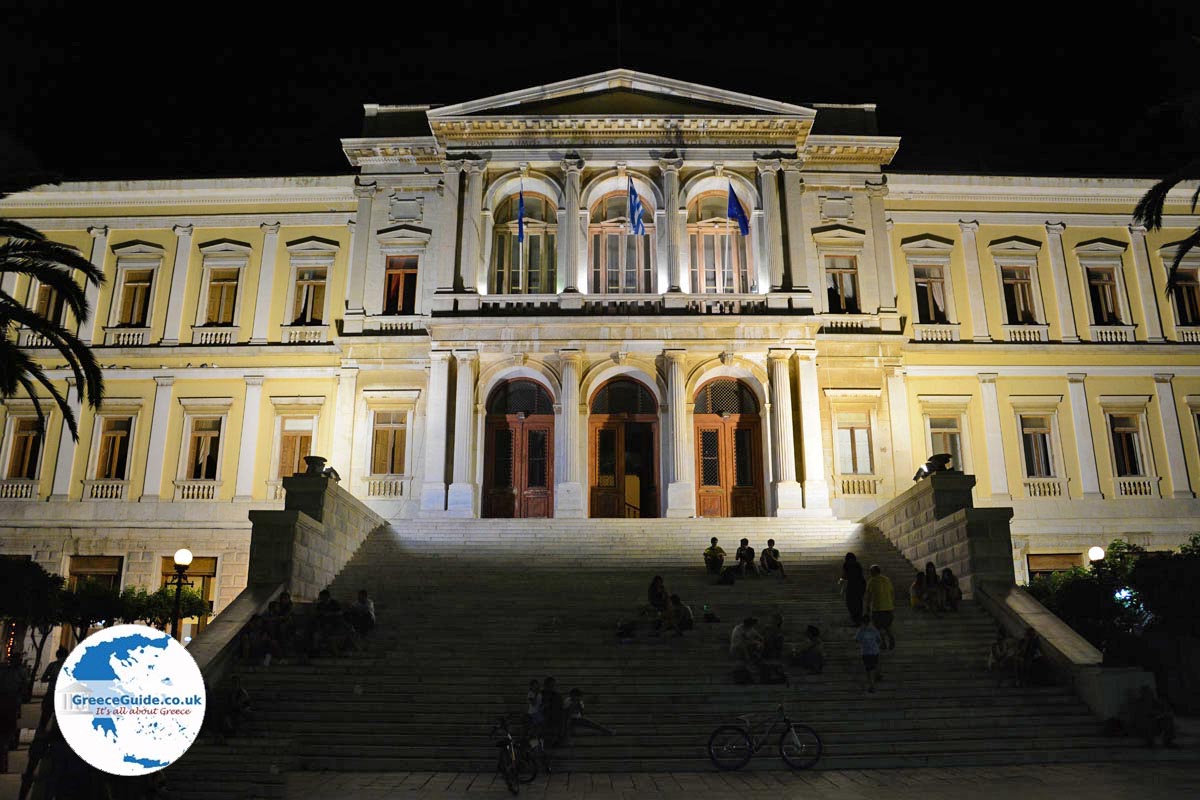
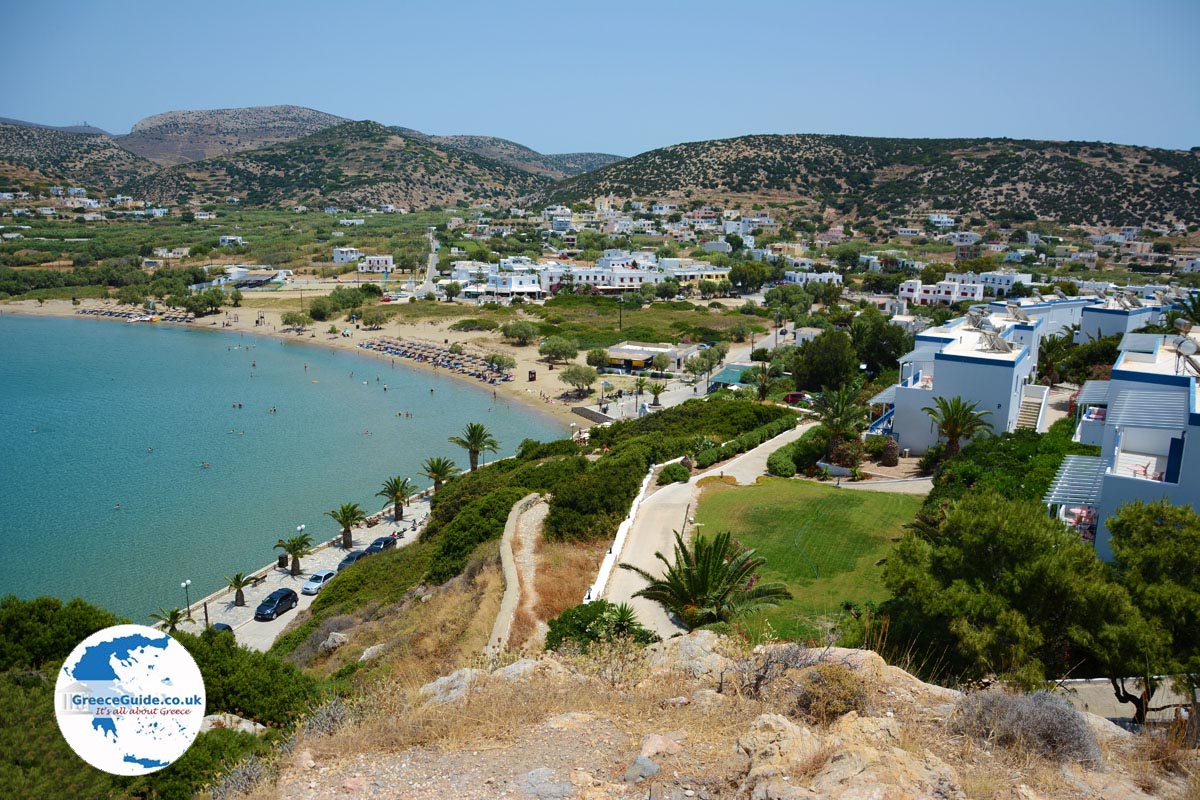
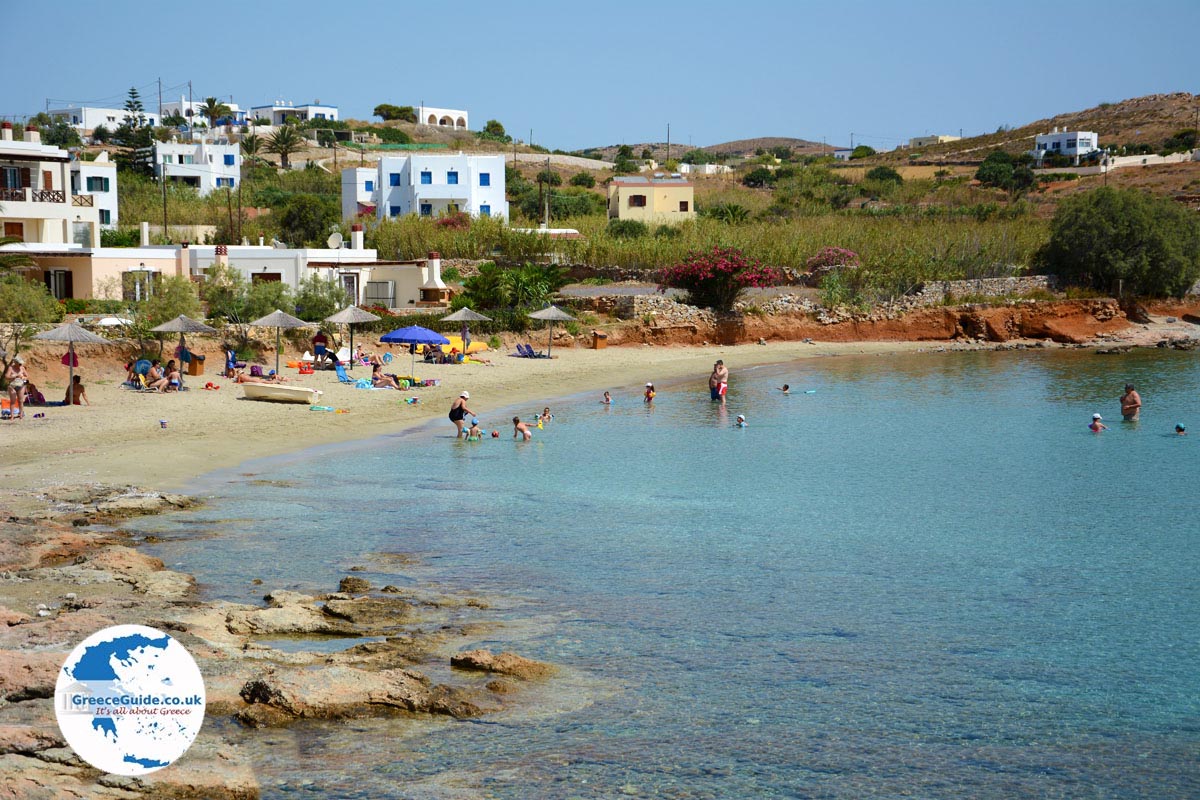
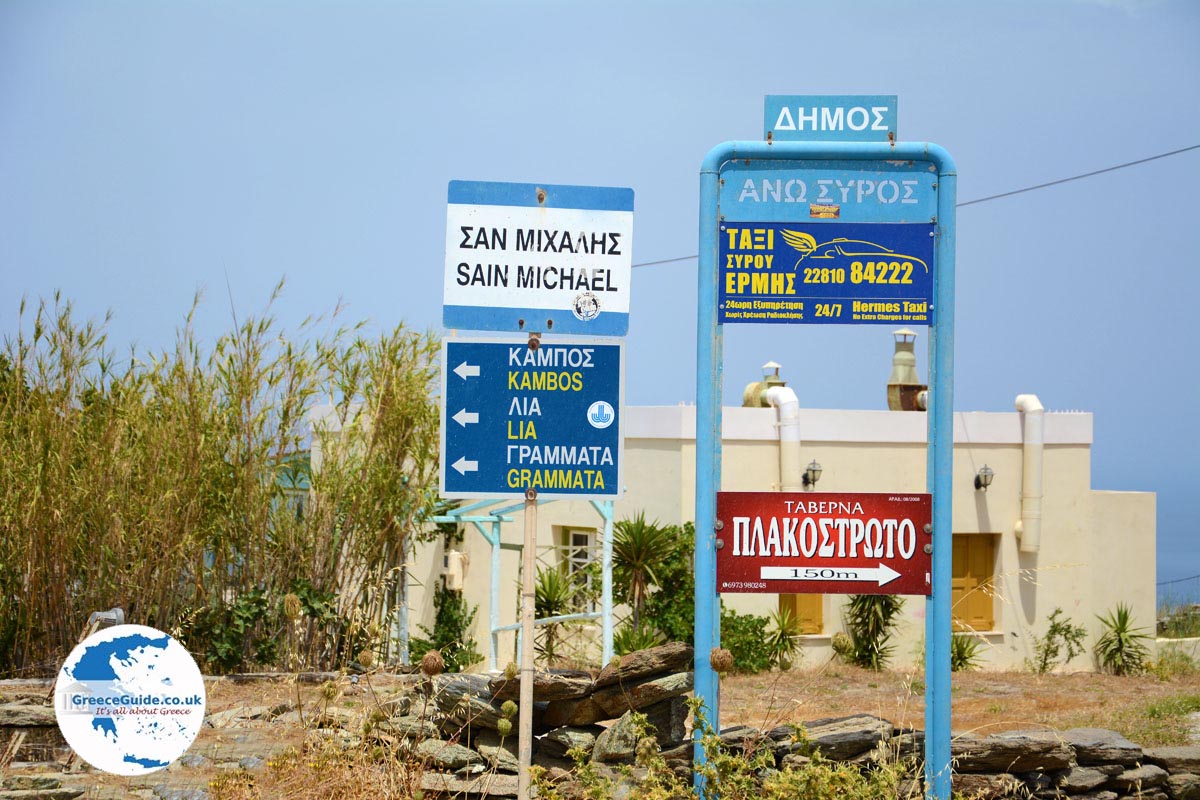
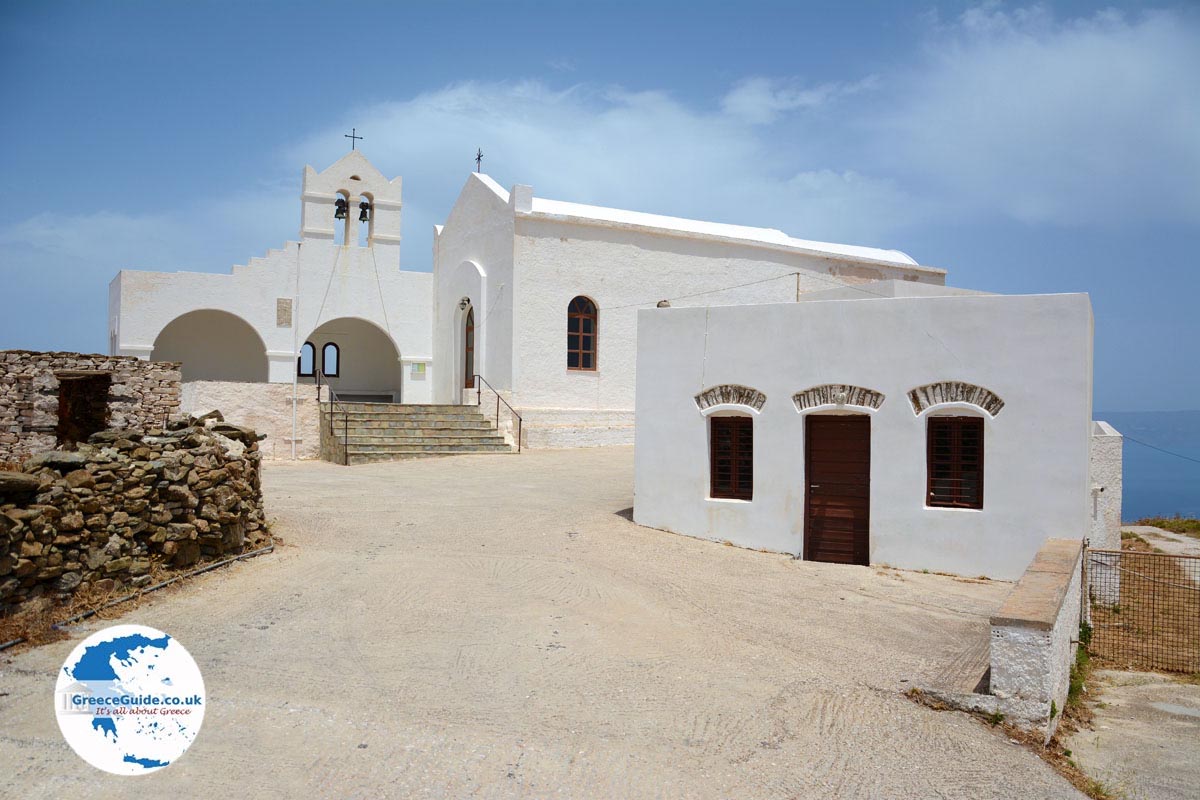
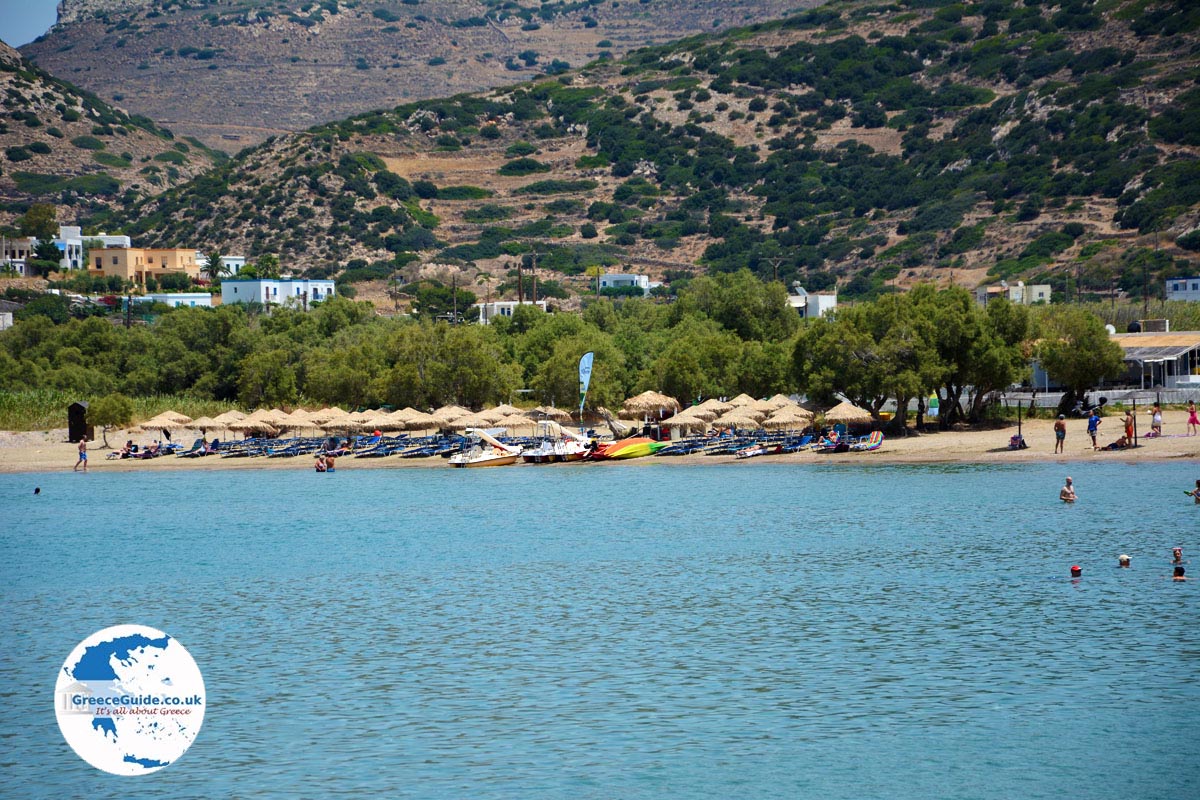


Video Syros
Video Syros @Justgreece.com
Beaches of Syros
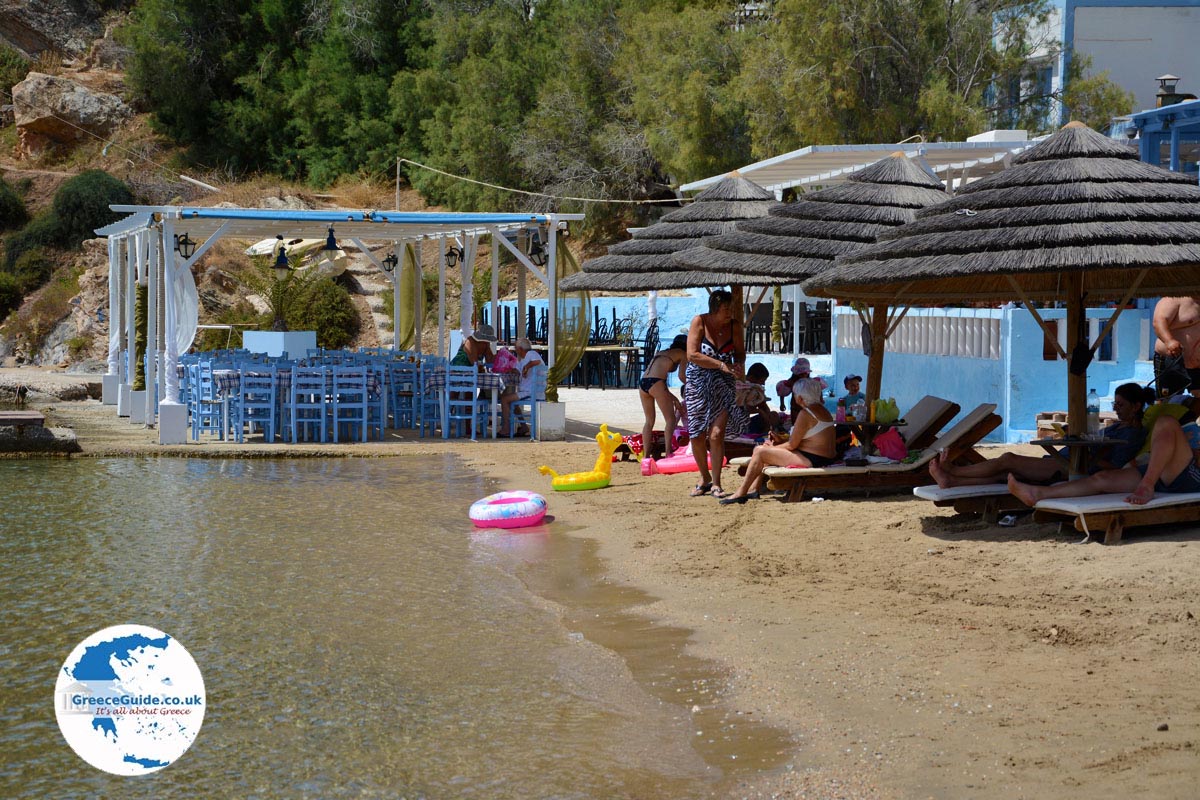
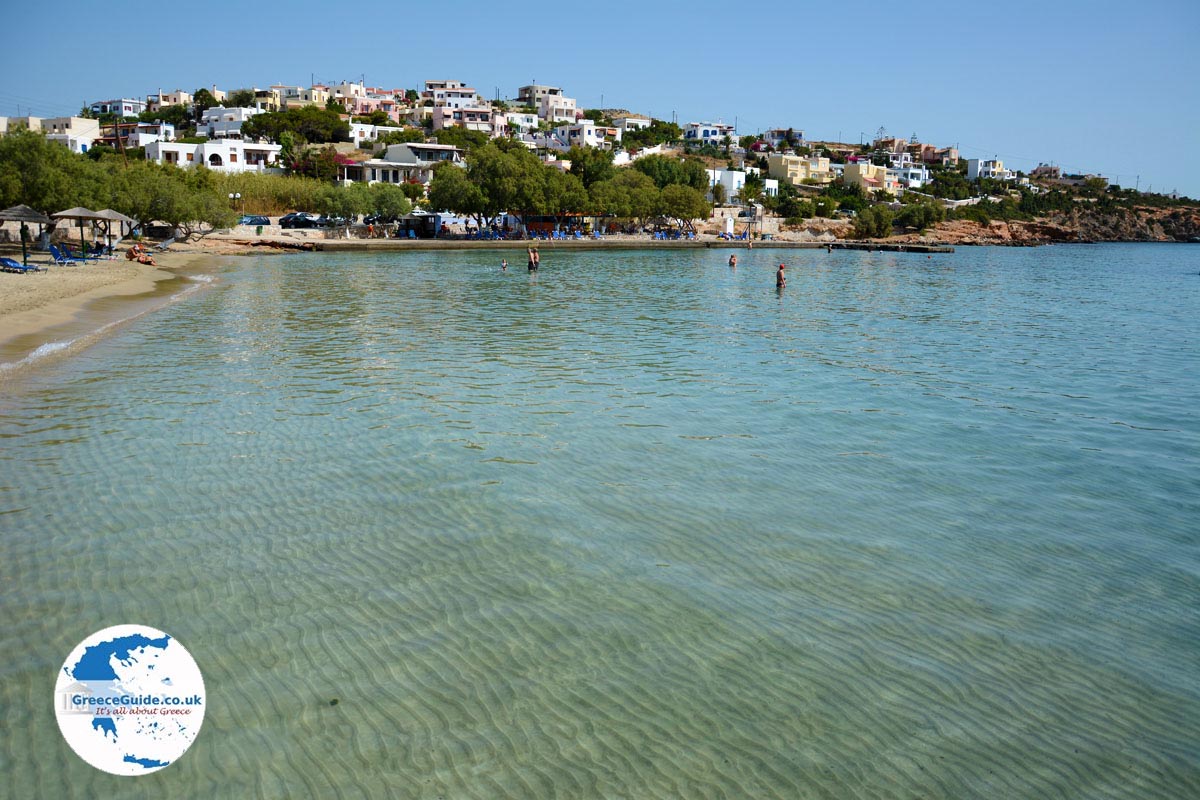
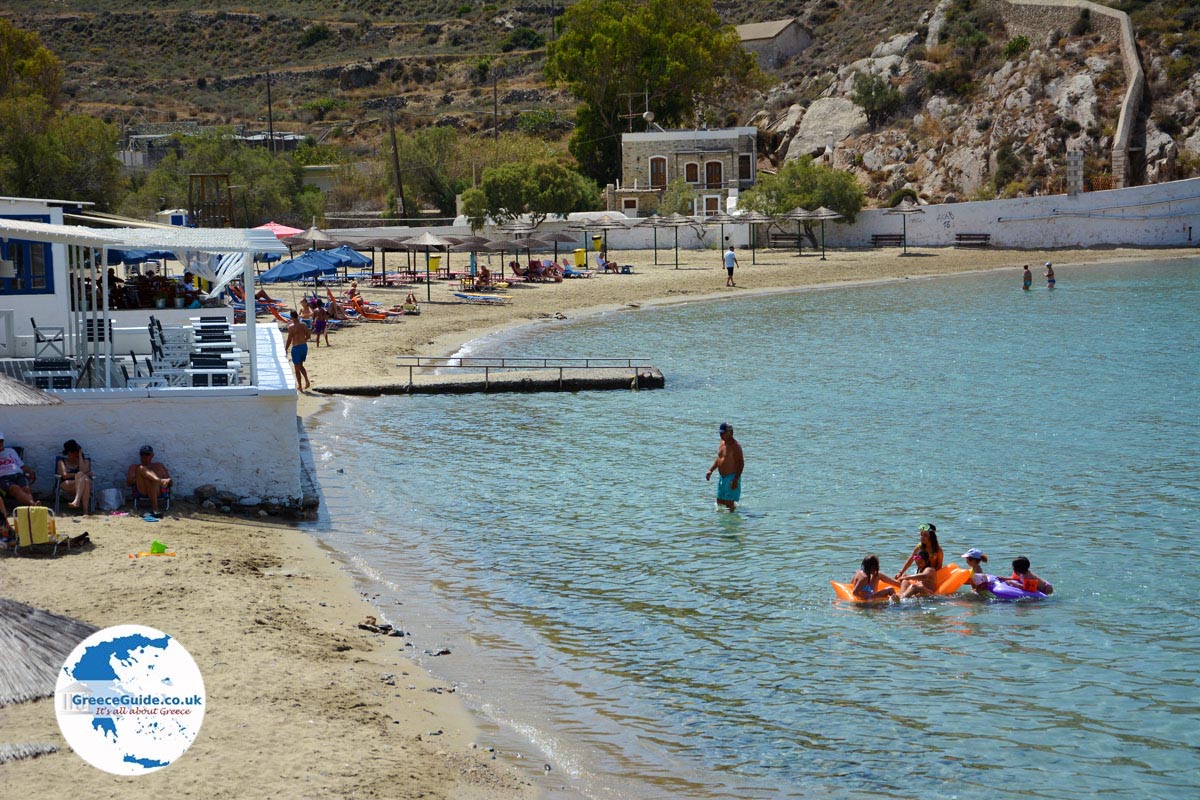
Syros is more than Ermoupolis. The island has lots of very nice resorts. There are less busy beach resorts and busy seaside resorts. The most popular beach resorts are in the west of the island. These are Kini and Galissas. Especially in high season, these attractive resorts are very busy. People who love quietness can choose from several other resorts like Azolimnos, Vari, Achladi in Vari, Fabrika in Vari, Megas Gialos, Posidonia, Agathopes in Posidonia, Finikas, Armeos at Galissas, Delfini in Galissas and dozens of other beaches which are exceptional but not too busy.
Ano Syros and the North of island Syros
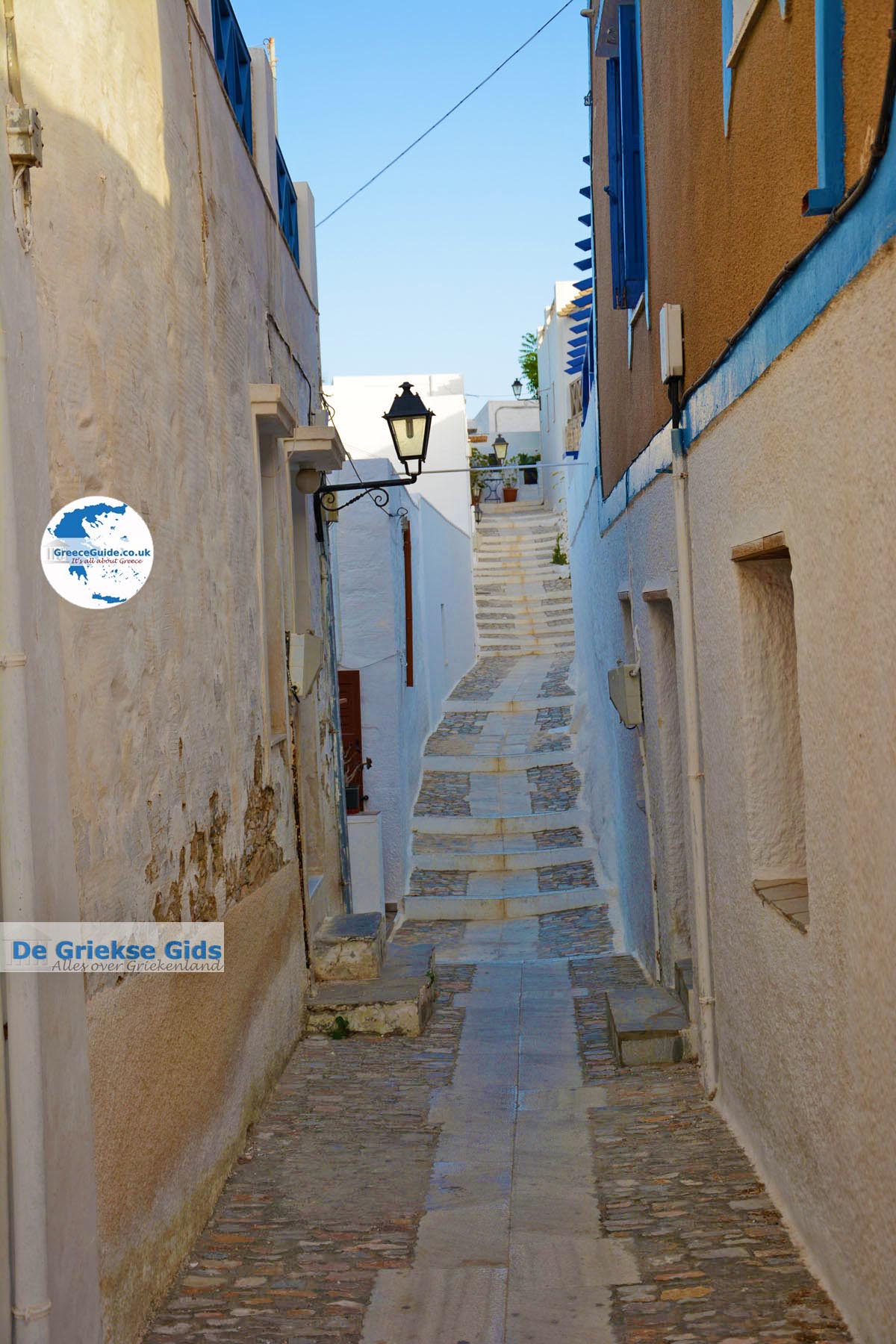
One of the absolute highlights of Syros is without doubt Ano Syros. Here, in this large town of Ermoupolis, houses have been built from the top of the hill to the port of Ermoupolis. The houses are located next to each other. It resembles a fairytale.
A walk up to the port of Ermoupolis is a must, and takes about an hour. A taxi can take you from the port of Ermoupolis to the top of Ano Syros for only € 5 euro (2015). From there you can walk down through the narrow alleyways to the harbor. It’s like an open-air museum.
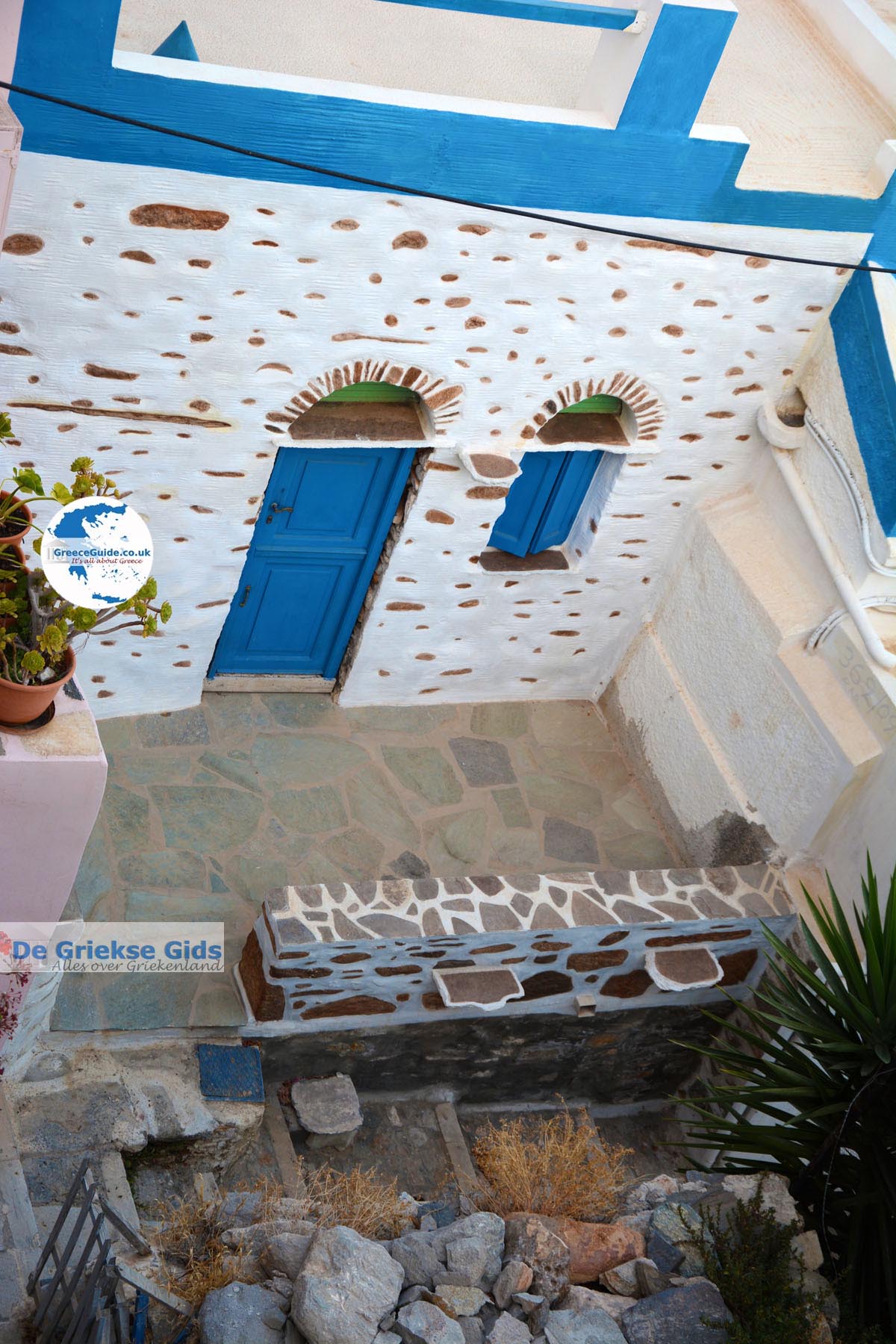
Everywhere on Syros you'll see quaint houses, picturesque alleys and friendly people. It's very impressive here. To find peace or go hiking you’ll want to go to the north of Syros.
The north of Syros is attainable through a paved road. Here you can visit the villages of St. Michalis, Kampos and Chalandriani. The rugged nature here is very beautiful. From these villages you can walk or hike and follow the mountain trails to all sorts of quiet beaches in the middle of spectacular natural environments.
Sights, tips Syros
- In the town of Ermoupolis: The Miaoulis Square, the Town Hall, the theater Apollon, the Aghios Nikolaos Church, the Anastaseos Church, the picturesque harbor and neighborhoods.
- The cosmopolitan Vaporia, near the harbor of Ermoupolis.
- The picturesque Ano Syros.
- The seaside resorts Galissas, Kini, Azolimnos, Vari, and Megas Gialos.
- The smaller resorts Achladi, Ampela, Agathopes and Delfini.
- The rugged north of Syros where several secluded beaches such as Grammata, Narnari, Aetos, Lia and Varvarousa, are located.
Weather forecast Syros
How to get to Syros
By plane you can reach Syros only via Athens because the airstrip is very short so only smaller planes can land on Syros.
You can also reach Syros by ferry. Syros is connected with the ports of Piraeus (Athens), Amorgos, Anafi, Andros, Astypalea, Chios, Donoussa, Folegandros, Ios, Iraklia, Kea (Tzia), Kos, Koufonissia, Kythnos, Lavrio, Leros, Lesbos, Milos, Mykonos, Naxos, Paros, Patmos, Rhodes, Santorini, Serifos, Sifnos, Sikinos Thirasia and Tinos.
Text: Yorgos and Wendy Nikolidakis - Text edited by Katrina Butzer
Syros in other languages
 Syros (GriekseGids.nl)
 Syros (GriekseGids.be)
 Syros (GreeceGuide.co.uk)
 Syros (GriechenlandWeb.de)
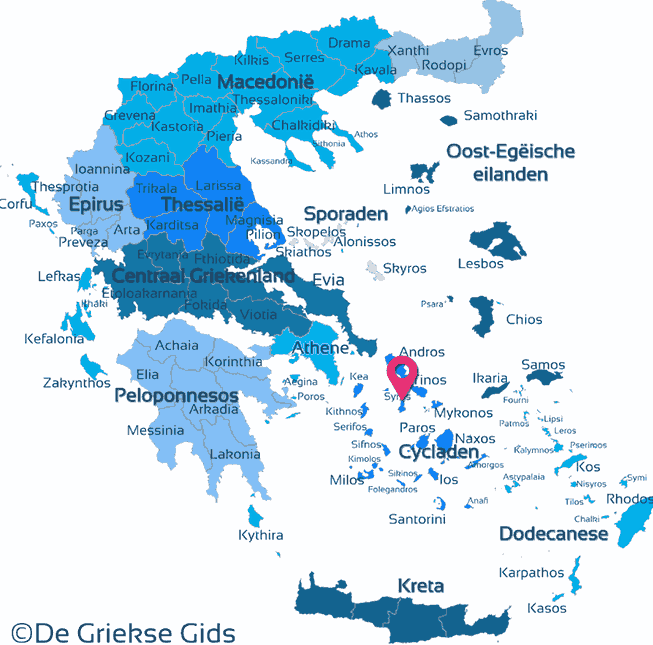
Syros: Where on the map is Syros located?
Syros
Holidays in Greece