Arcadia
JustGreece.com
Holidays in Arcadia

Arcadia

ARCADIA. The Arcadians are believed to be among the oldest inhabitants of the Peloponnese. Initially divided into tribes, they united after the first millennium and founded great cities. After their subjugation by the Romans (146 BC), the raglan fell into decline and political insignificance. In 1205 the Franks conquered Arcadia, founding baronies and erecting castles on the hilltops. In 1330 Andronikos Palaiologos won supremacy over the Franks. Arcadia was liberated in 1828.

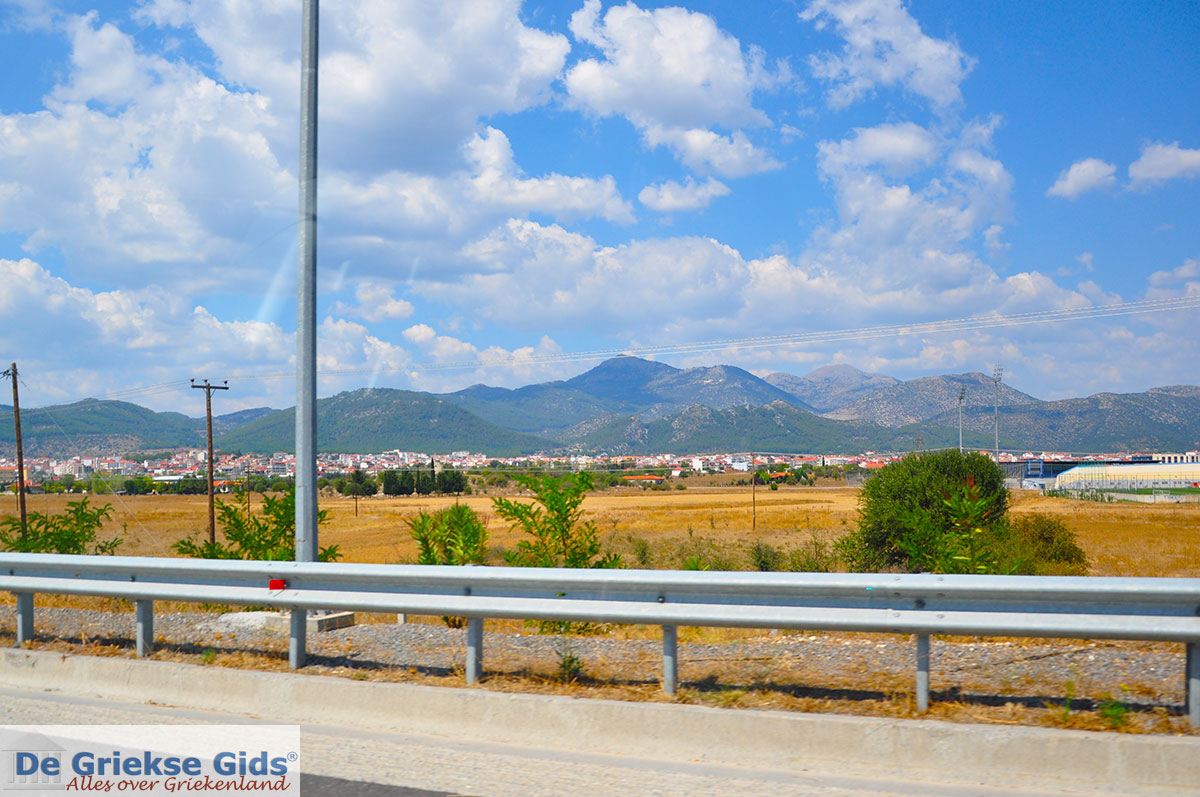
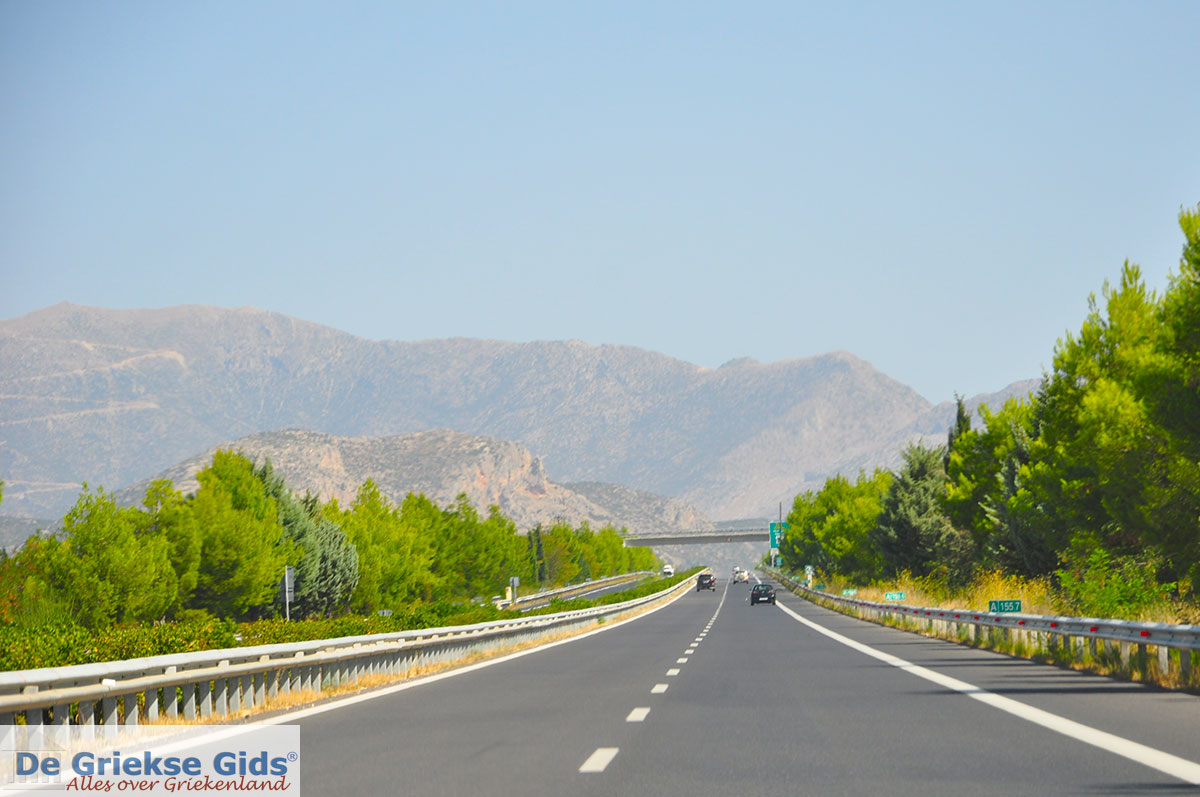
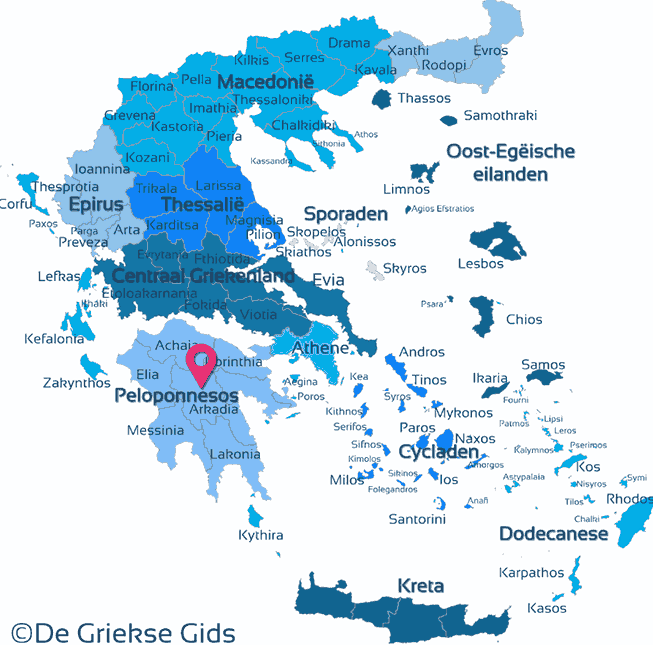
Arcadia is a closed land, full of mountains and high peaks with large fir forests and lush vegetation. A virgin land, not known, full of surprises, truly bewitching. On the eastern coast it is washed by the gulf of Argos and the Mirtoo Sea. Here and there the sea has carved fantastic bays and peninsula. In fact, whoever roams through Arcadia today will get to know a part of the country that has remained virtually unchanged since antiquity. Arcadia is a natural wonderland whose mountain dwellers have preserved it intact until today.


The land of Arcadia.
Leonidion, sea and lush plain. Old mansions with court yards and high walled gardens. Houses with symmetrical windows and skylights. Artfully designed chimneys. Painted shutters. Decorated doorways. Stately houses with wood-panelled floors and moulded ceilings. As you stroll around you feel tradition coming alive with your every step in this lovely town. Holy Saturday in Leonidion. The bells toll in a festive way. Firecrackers hiss and bang in the streets non-stop. "Judas" figure is burnt outside the churches. Noise, commotion. Lights are carried from one neighbourhood to another. The skies aglow with the beams of countless lanterns. On Easter Sunday the festivities reach their peak. Roast meat, wine, sweets, fritters, offered free to all corners. Locals and strangers. A gesture of traditional gentility. This is Leonidion. Nobility, sunshine, gardens loveliness and generosity. Further on there's Plaka, a charming little port with a pebbly beach. Shining next to the sea. To the south, Poulithra, with its old stone houses and marvellous beaches. To the north, little bays. Sabatiki, Livadi quaint unforgettable fishing hamlets. Tiros beach. An enormous expanse of sand and gleaming pebbles. Relaxation and warmth. Just above it the beach of Agios Andreas. Dazing azure seas. Fishing calques and taverns. Sky, sea and land in endless serenity. Paralia Astros. White on a green and blue background. Like a verse from a poem. Blue and the slap of oars on the water. Shady trees and small picturesque "tavernas". The sweet smell of grilling octopus. A fisherman is untangling his net on the wharf. From here the road branches off to the mountains, Mt. Parnon. The drive is exciting, the countryside wild and unspoilt. Tiny villages, farm houses, Platanos, Prastos, Agios Petros. Cottages, manor houses towers and monasteries. The monasteries of Loukou, Elonas, Palaiopanagia Eortakousti, Karia, John the Forerunner. Awesome silent and strangely comforting. Lighted candles and faint frescoes.

The mountains of Arcadia
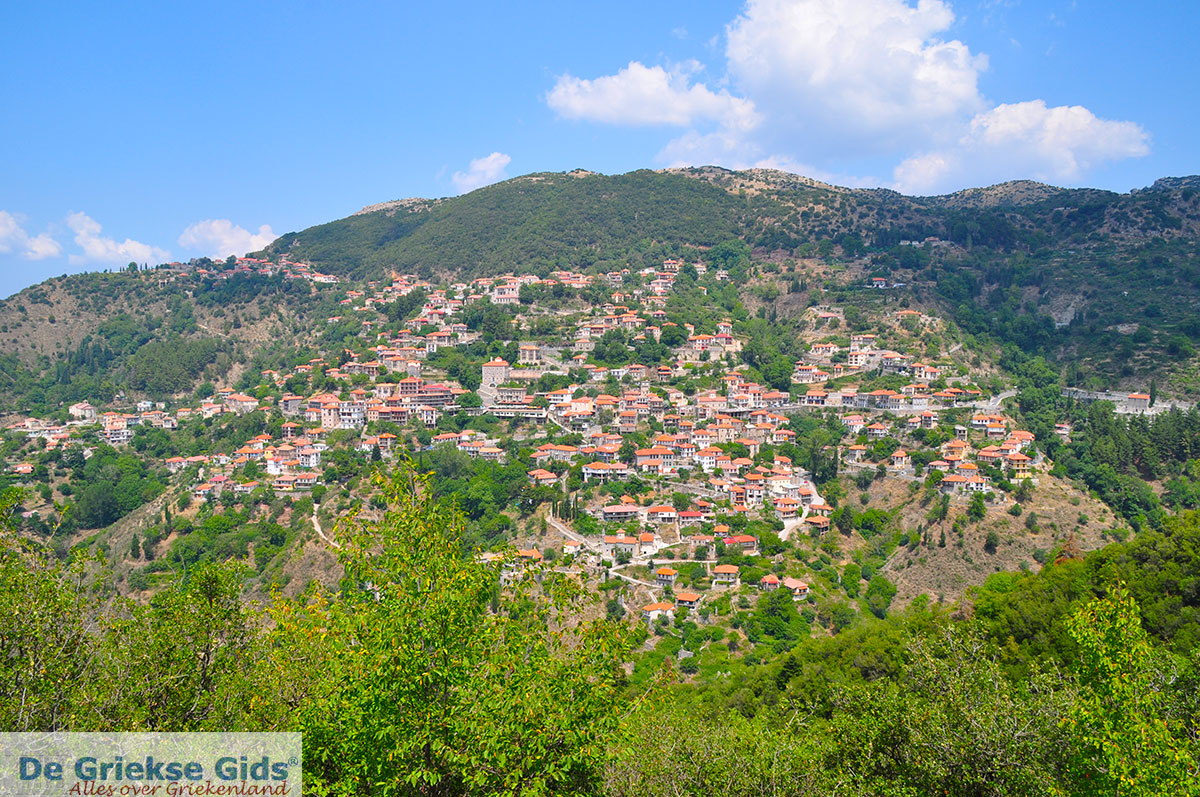
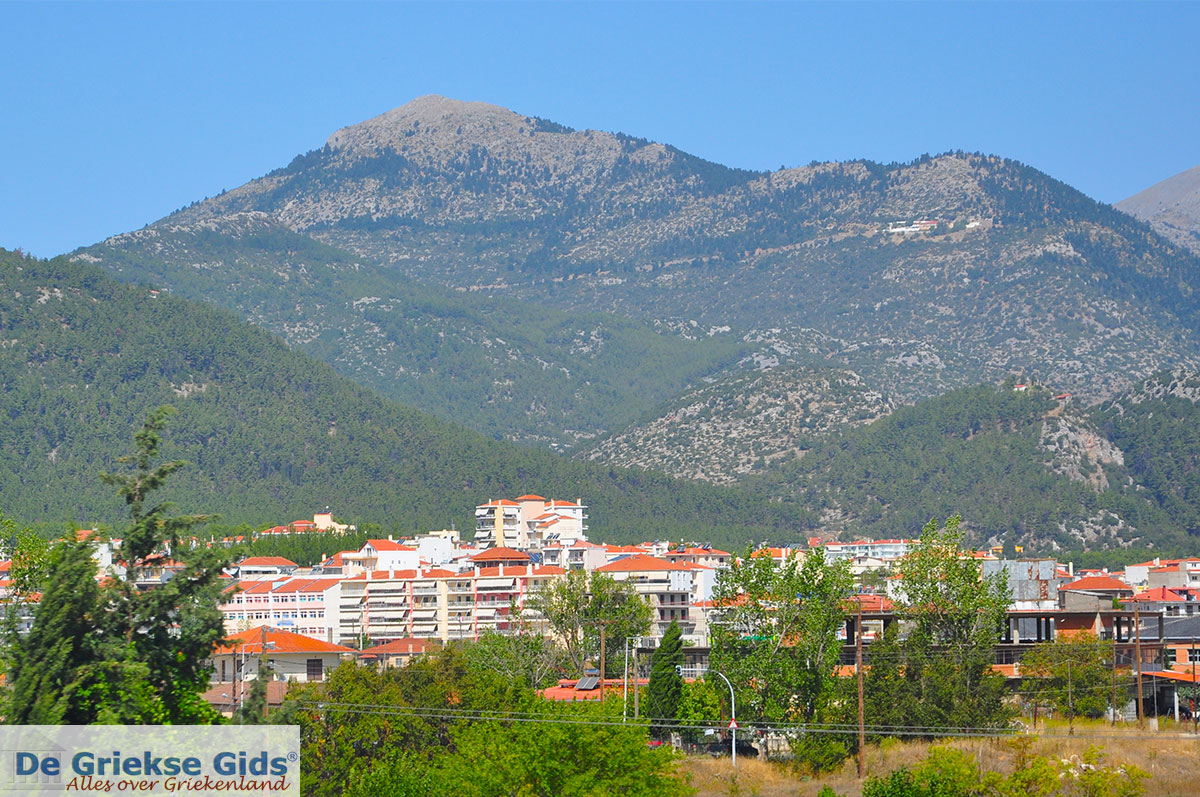
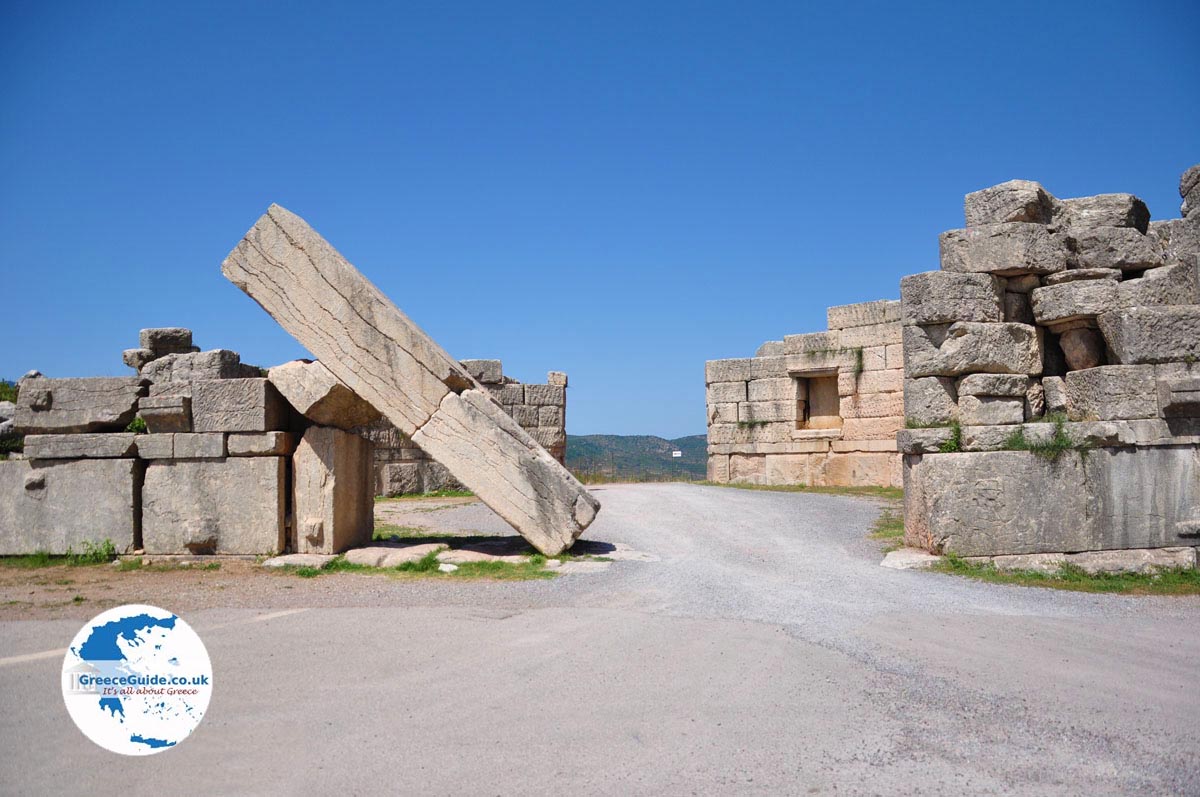
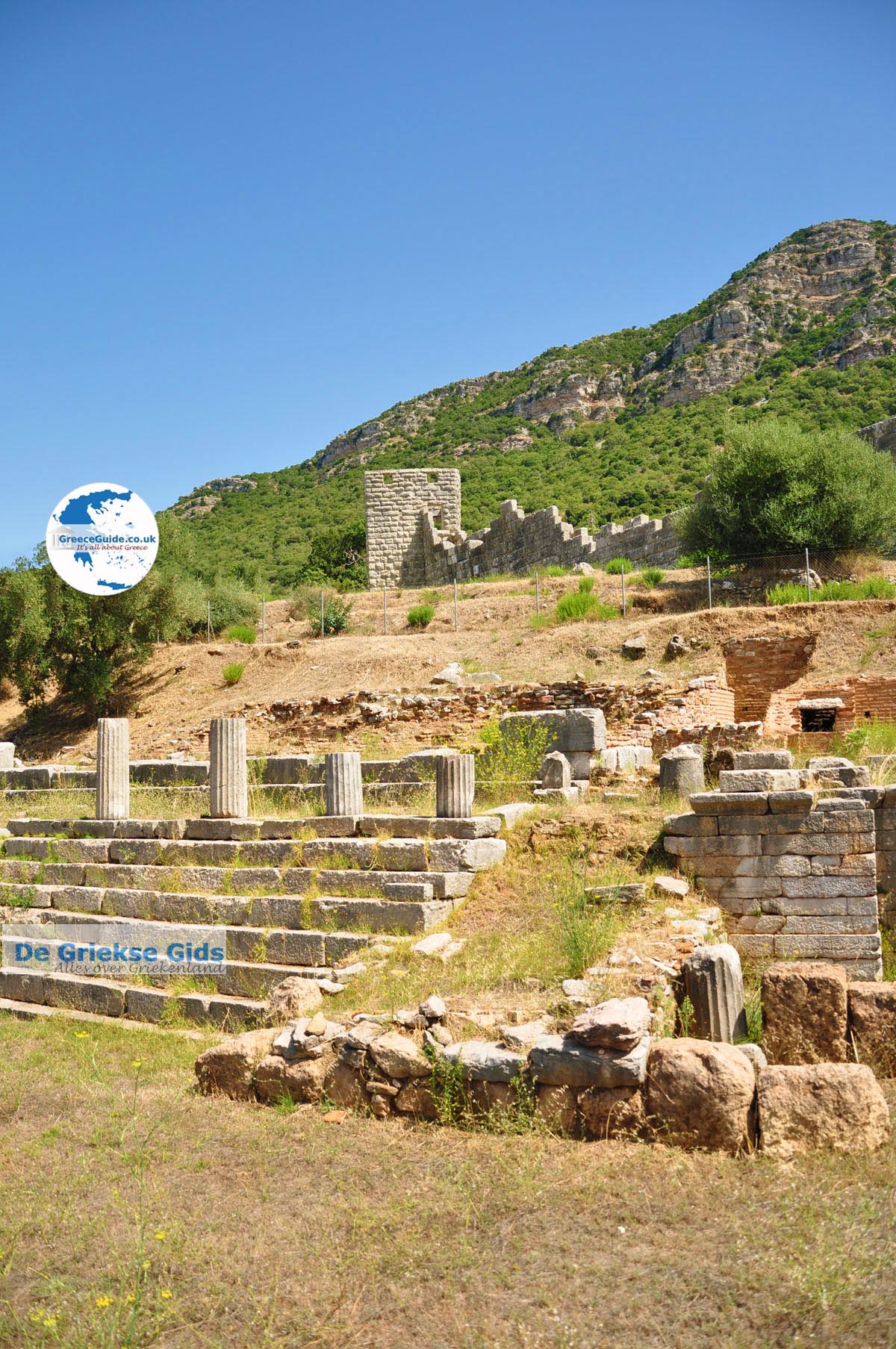
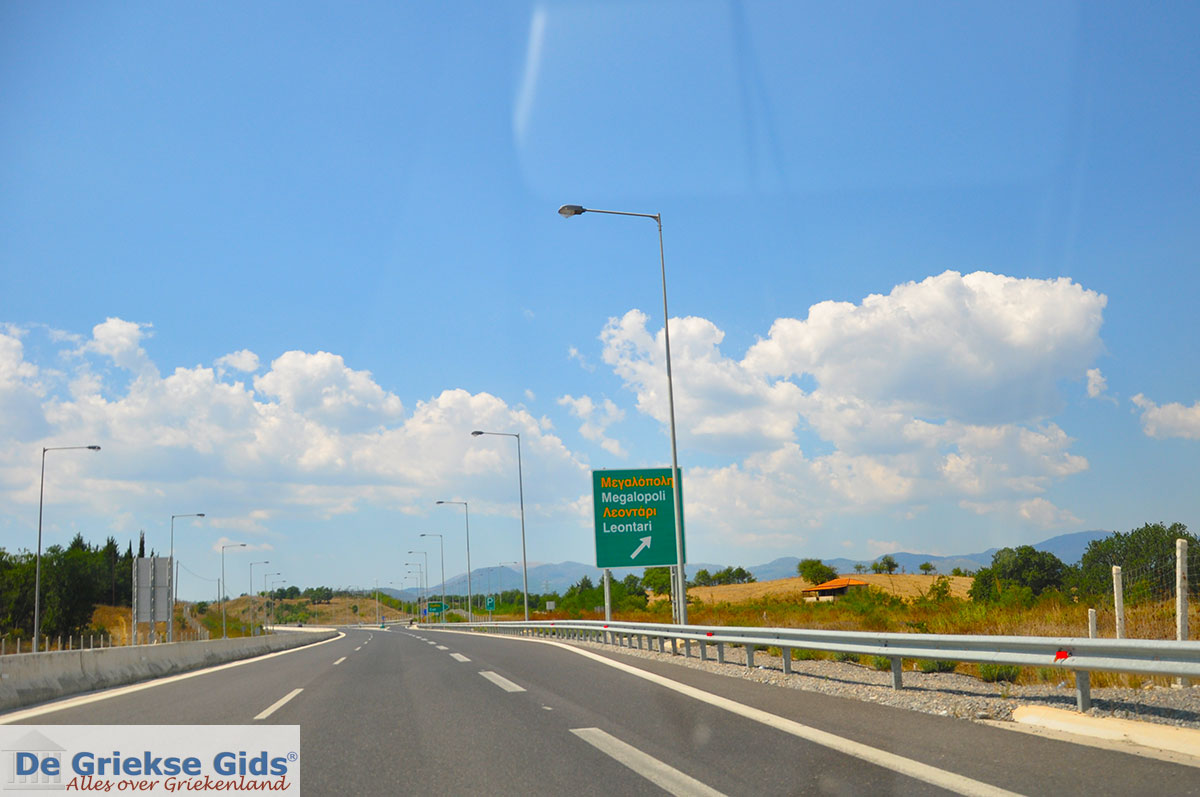
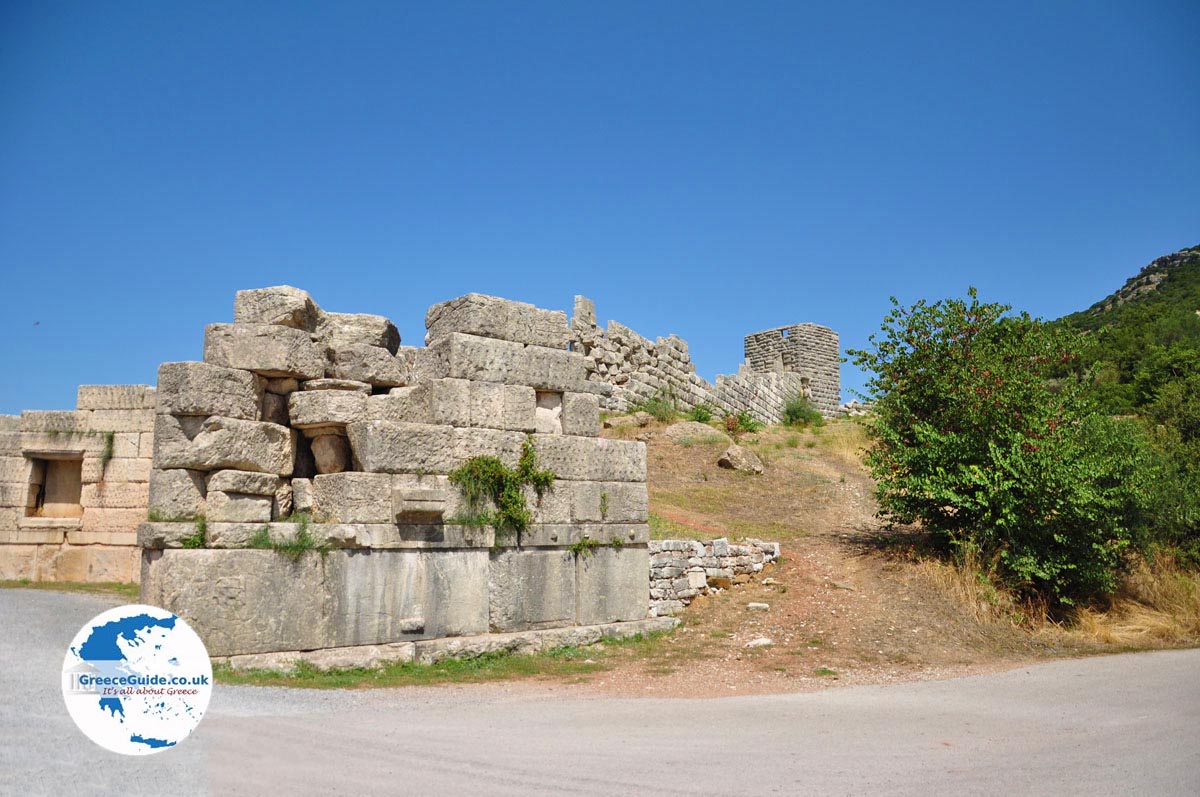
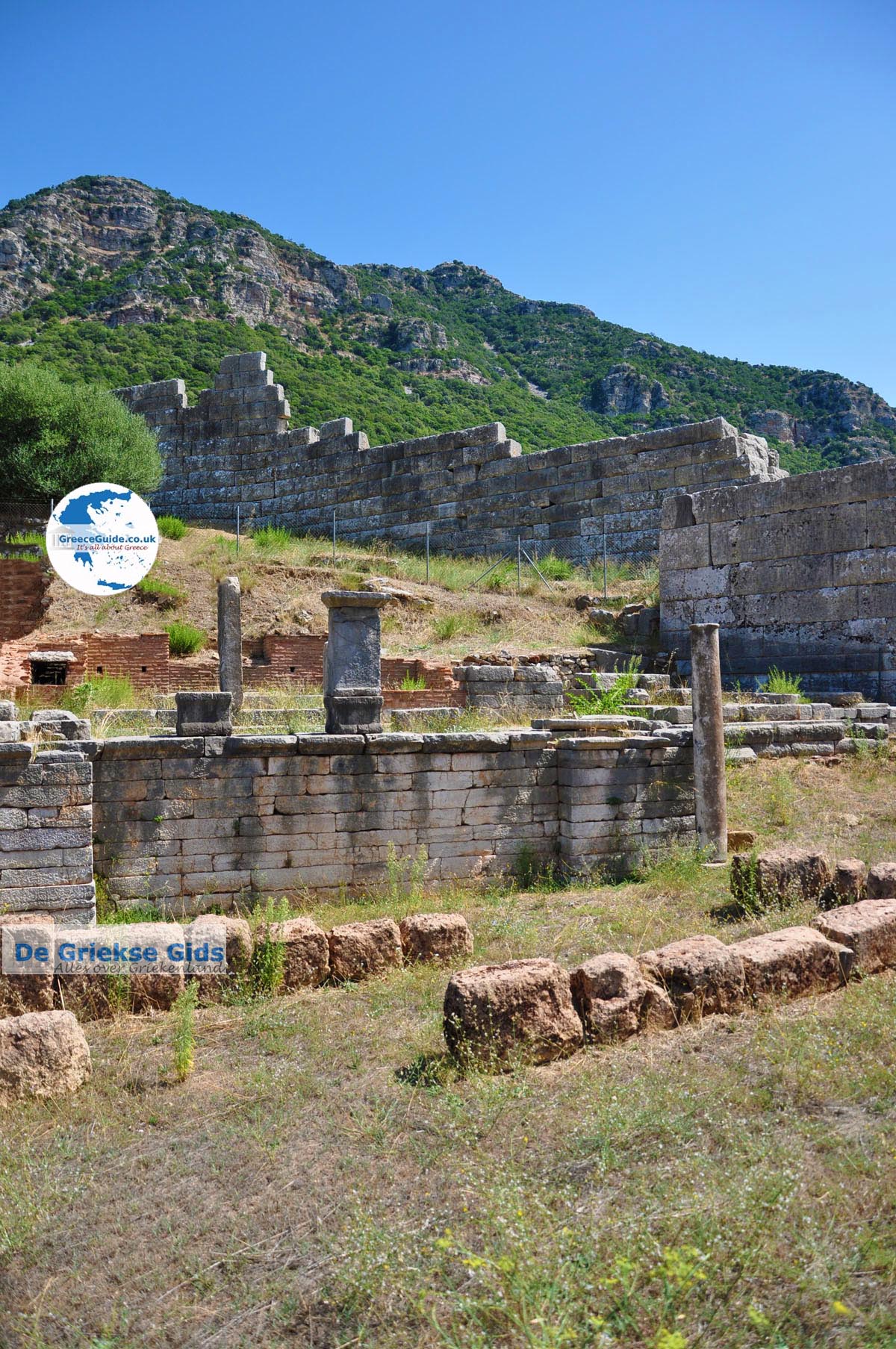
Towering peaks, precipices and deep gorges. Rivers and running breaks. Thick vegetation. Ancient cities, Byzantine churches. Frankish forts. Towns, villages, traditional settlements. Wood cutters, shepherds, carpenters, craftsmen and masons. Mountain people, free and indomitable. Tripolis is the capital of the prefecture. Built in the centre of a wooded plateau, it is one of the most important agricultural, commercial and transportation hubs in the Peloponnese. The city is embellished by the Byzantine church of Agios Vassilis and some neoclassical houses, one of which houses the archaeological museum. To the north is Levidi, a pretty village (alt. 800 m.), the landscape round about is astonishing, a sea of green spruce and fir as far as the eye can see. The glory of antiquity and Byzantium. The monastery of Epano Hrepas with frescoes of the Cretan School. Mantinia, Tegea, Pallation, Assea, Orhomenos, ancient Arcadian cities. Ruined walls, theatres, public buildings. The temple of Athena Alea (370 BC). The monastery of the Virgin Gorgoepikoos (101h c. with 161h c. frescoes). Megalopolis, the original Great City. The agora, sanctuary of Zeus, theatre (and a small museum in town). Leondari, Byzantine churches and a ruined Frankish castle.

Likossoura, the sanctuary of the great goddess Despina and Demeter. (The local museum has copies of the cult statues from the temple on exhibit in the National Archaeological Museum in Athens). On the way, the picturesque village Likeo, and a little further, Ano Karies, with plenty of walnut trees. From this place, it is worth the pain to climb at the top of the Mountain Likeo. At an altitude of 1.200m. there is a small plateau, plenty of ruins of the sanctuary of Pan, of the Hippodrome and Stadium. This is where "Likea" games of children and Men ware taking place in honour of Zeus. A little higher there was a big altar, where sacrifices were offered to Zeus. At a sleep slope, there is Isari village. At the foot of the village, there is the small vaulted church of Ag. Theodora, with frescoes of the 11 th century, at the roof of which 17 huge trees have sprouted.
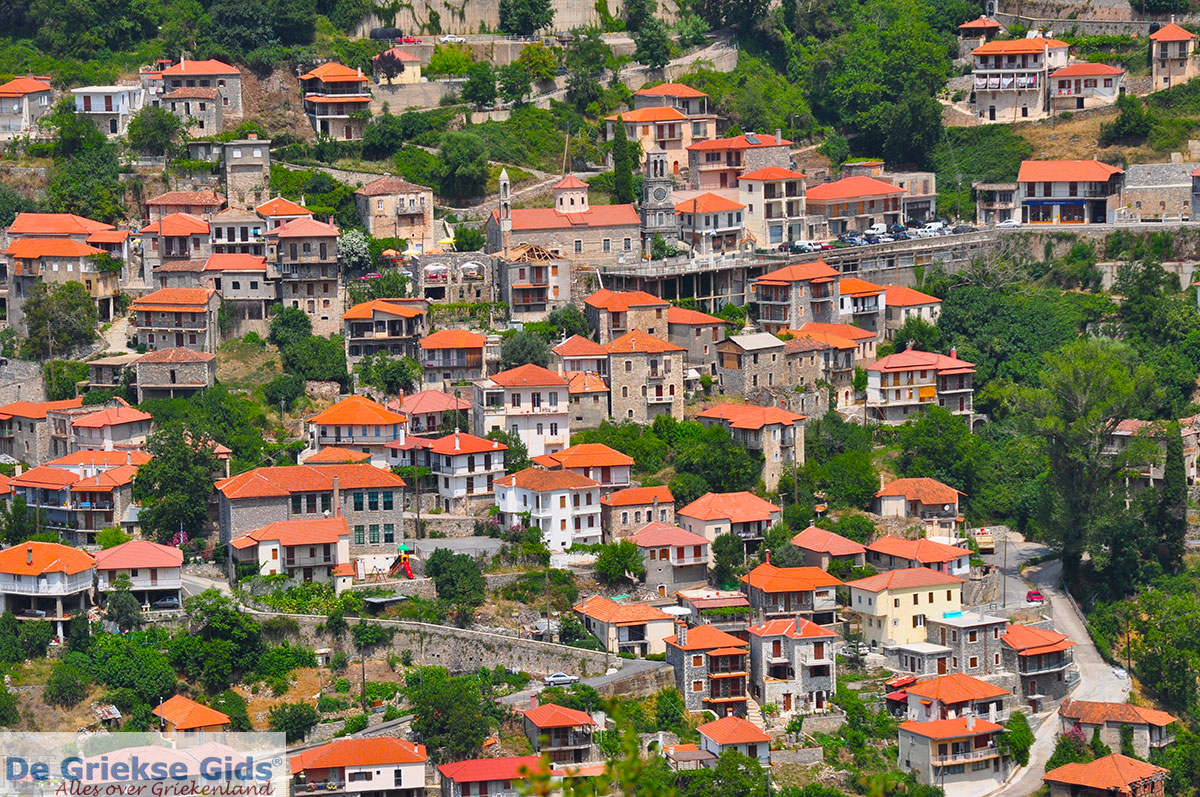
Karitena, the "Toledo of Greece", with Stone houses, narrow lanes, Byzantine churches, a Frankish castle. Nearby Ancient Gortina and the river Loussios. The river takes its name from the Greek word "Iouzo" = to wash or bathe, because Zeus as a child was sold to have bathed in its waters. A walk along its banks is to experience a new definition of beauty. A delightful corner of Arcadia. Next door is the monastery of the Prodromos with frescoes from the 14th and 16th century. And down a ravine the monastery of the Philosophos with more Byzantine wall paintings. And the later monastery of Aimialon wedged into a mountainside with 17'h century frescoes. Stemnitsa (alt. 1,100 m.). old stone houses, Byzantine churches, little cafes and taverns, a lovely folk museum, the scenery greener than green. Dimitsana (alt. 1,000 m.), with cobbled lanes, wood en balconies, tiled roofs. A respect for local architectural tradition, an impressive library and folk art museum. Churches and gunpowder mills. Loutra Iraias, forests of pine and fir. Hot springs. Ruins of ancient Heraia on the hillside. Vitina (alt. 1060 m.). More fir trees and fresh air. A wonderful climate. Beautiful countryside and running brooks. A park for walks. Traditional cooking. Here everyone seems to be occupied in woodcarving. There are carved objects in original shapes and styles in the shop windows, ad every church has its own magnificently worked icon screen. Magouliana (alt. 1.247 m.). its cid stone houses with red tiled roofs dusted with frost on a winter afternoon. A landscape that legends are made of. A Byzantine castle overlooks the village. To the left Lagadia with its impressive cid mansions and venerable churches. To the right Valtesiniko (alt. 1,150 m.) clinging to the mountainside. The joy of all this green. Apple trees, walnut trees, poplars and firs. A cup of coffee in the village café with the Locals is a real pleasure. The people of Valtesiniko are warm hospitable and simple. There is a woodcarvers' school in the village, and many of the residents take up the craft. On a slope overlooking the whole village stands the church of St. George (1830) with an octagonal dame. One's eye is caught by the scenes carved into the icon screen and ether church furniture. About a kilometre away is the church of the Dormition of the Virgin - an cid monastery church founded in 1625 with partially destroyed frescoes. From here can be seen the rocks of Agionikola. A stairway with 100 steps leads up to the cave which conceals two churches, Agionikola and Analipsis. These churches with frescoes from 1570, embrasures hollowed out of the walls and crypts hide the secrets of another era. This is Arcadia: Plenty of mountains, vegetation, rumours and history.

Source: Greek National Tourism Organisation


Back to
Greece


Copyright JustGreece.com and De Griekse Gids®
Contact