Viotia
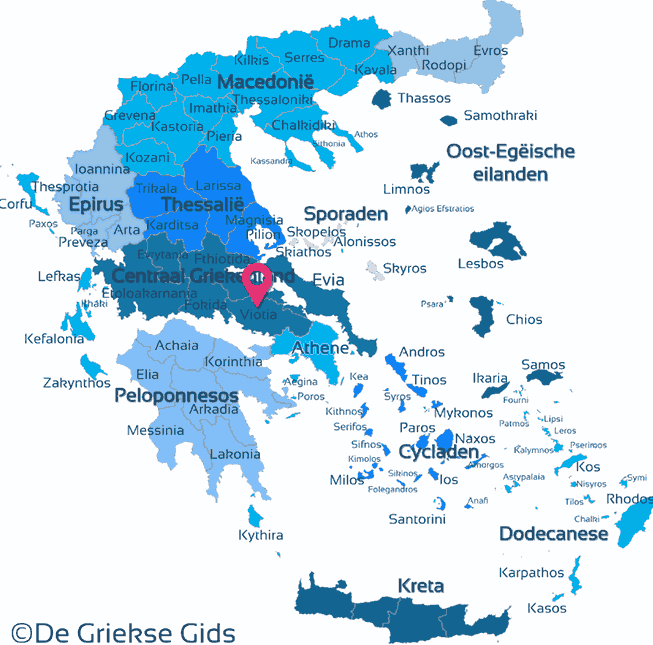
Viotia. Lying adjacent
to Attica, this region is equally enjoyable winter and summer.
The shores of the European (Evokes) and
Corinthian (Corinthians) gulfs, the ski center at Parnassus,
the wealth of archaeological sites at Orhomenos, Chaironia,
Plataiai, Thebes and elsewhere are guaranteed to hold your
interest. The climate is dry and Mediterranean and the vegetation,
with the exception of the fertile plains of Thebes and Kopolda,
is rather sparse among the bare rocks. In ancient times, Viotia
was called "tristhalatto" (three-sea'd)
- a name mentioned by Strabo - because it was washed by the
two halves of the gulf of Euboea and the Corinthian Gulf.
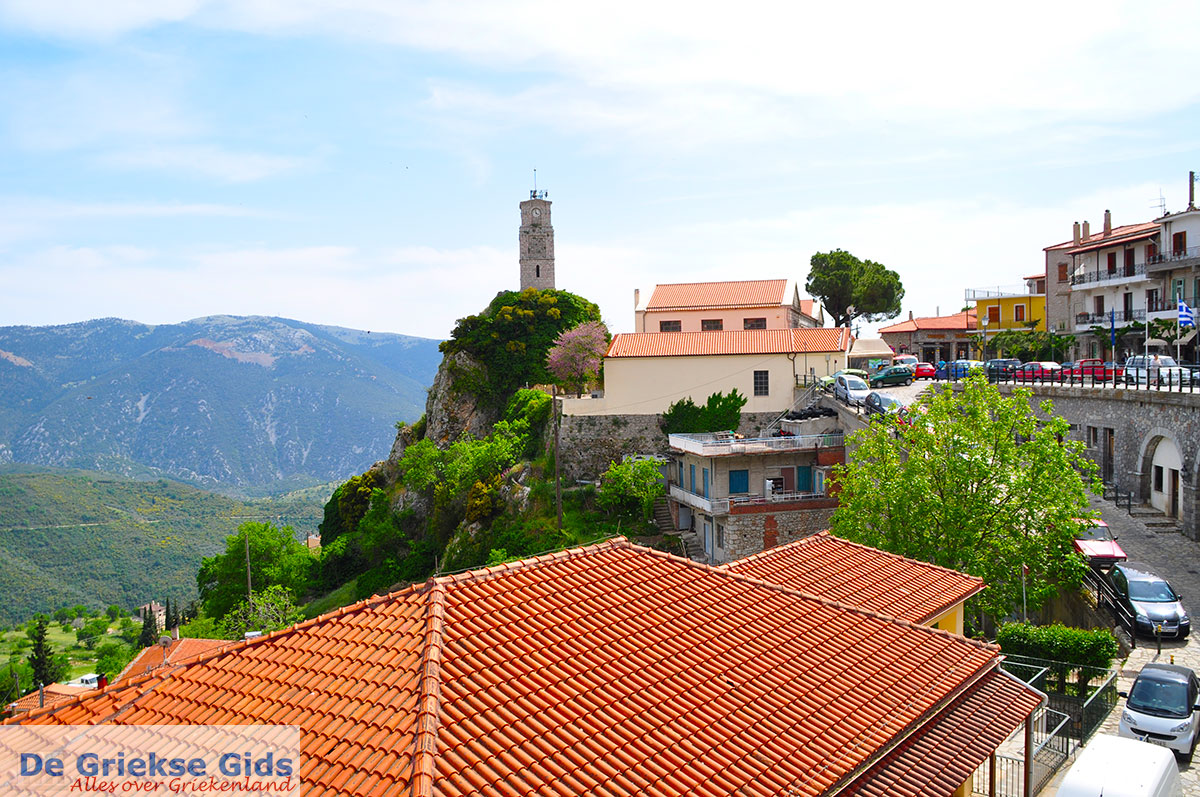
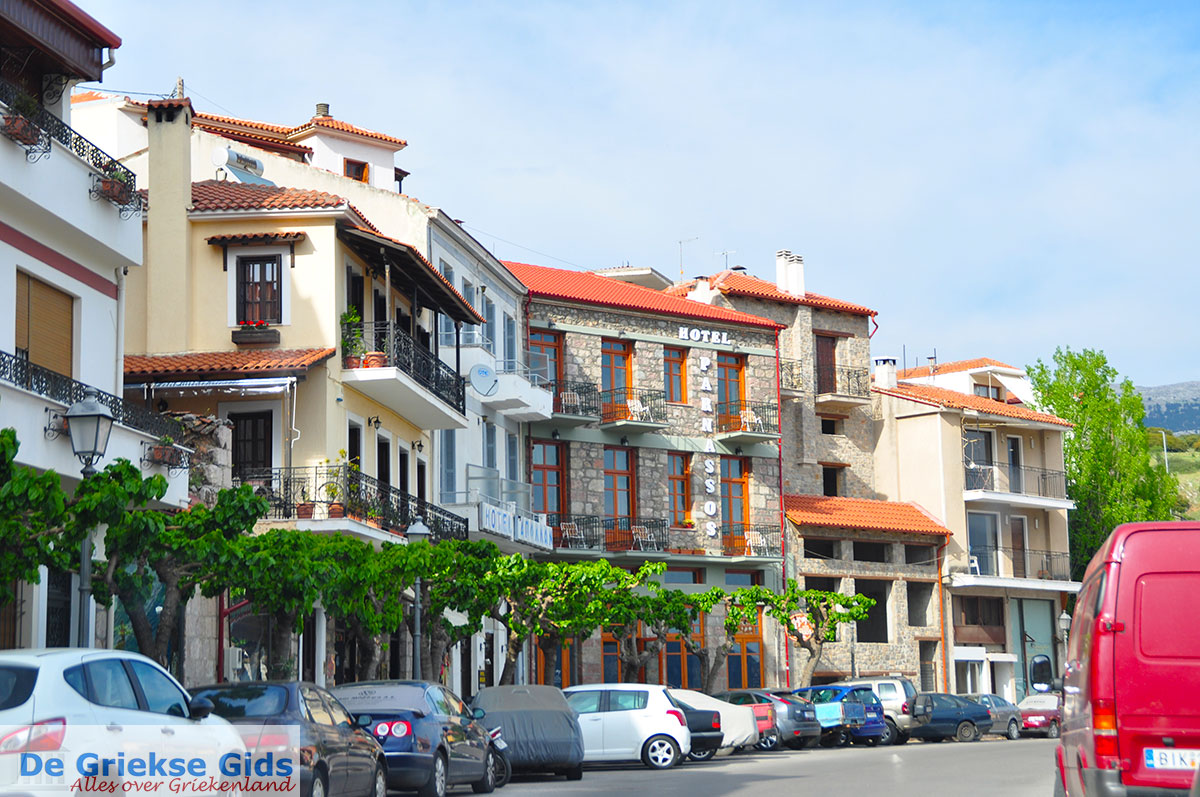
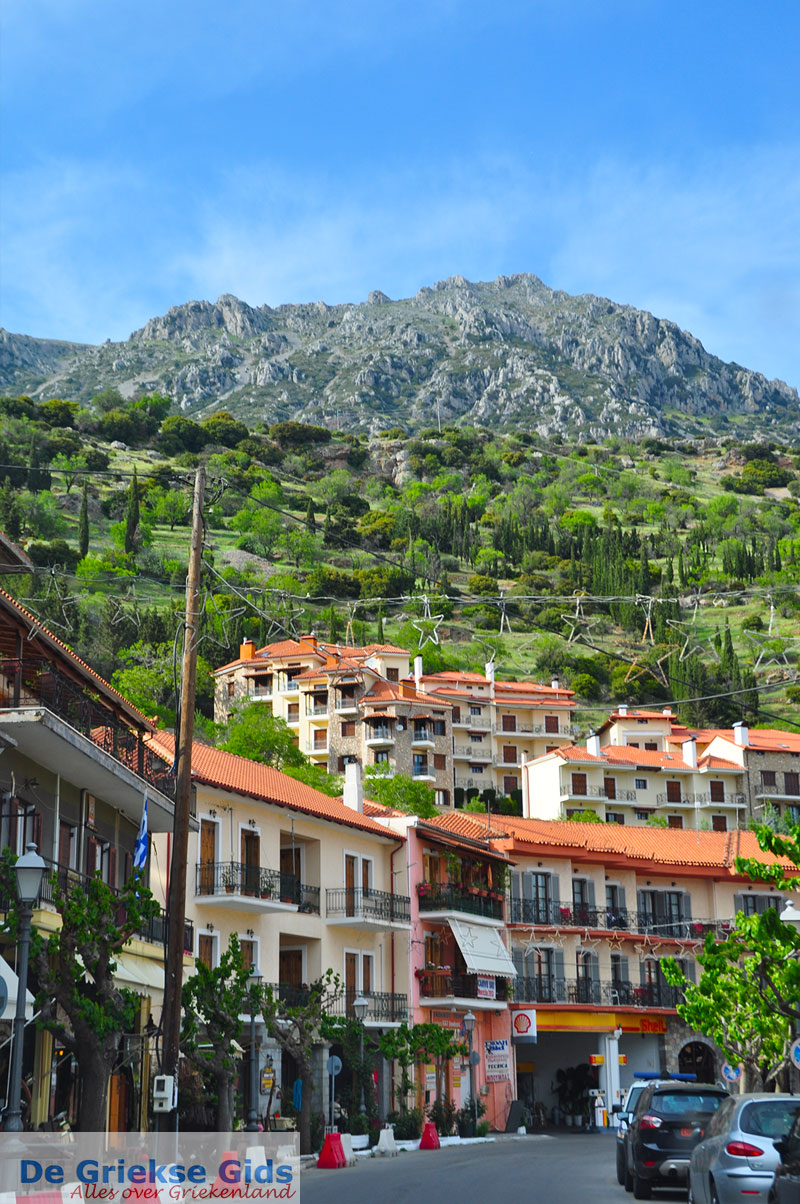
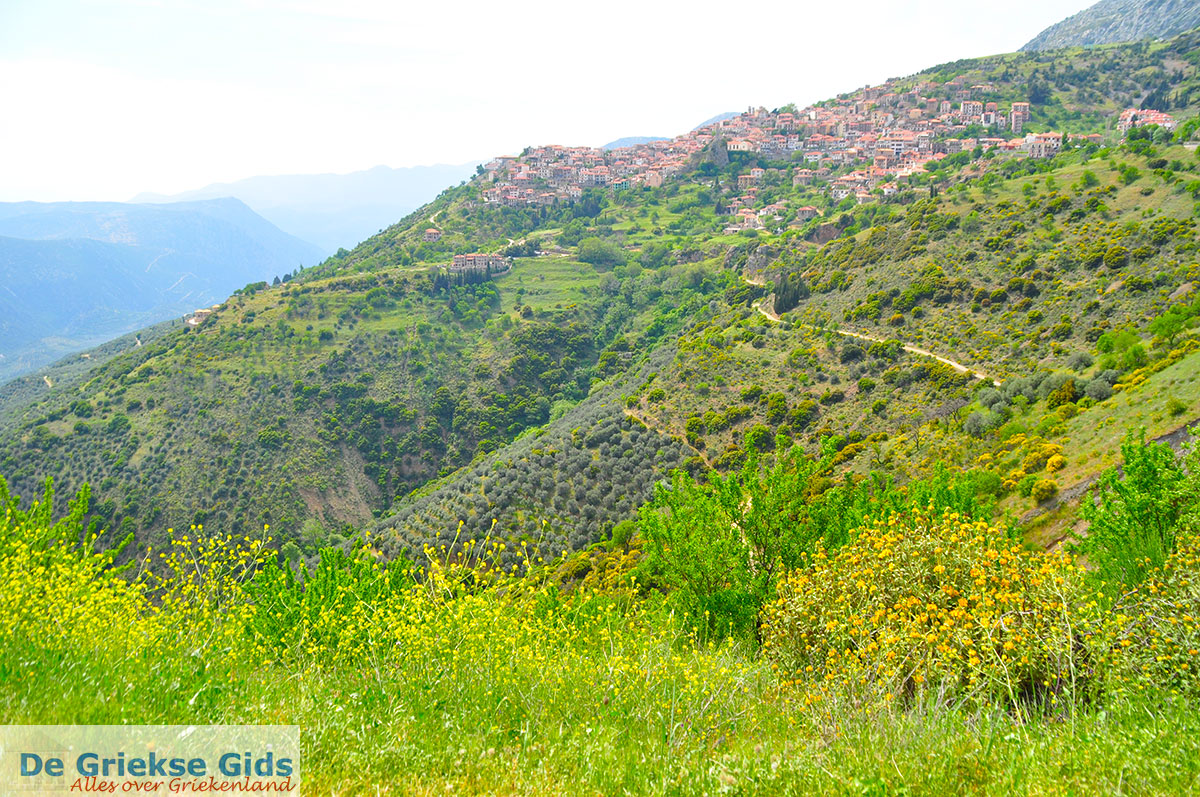
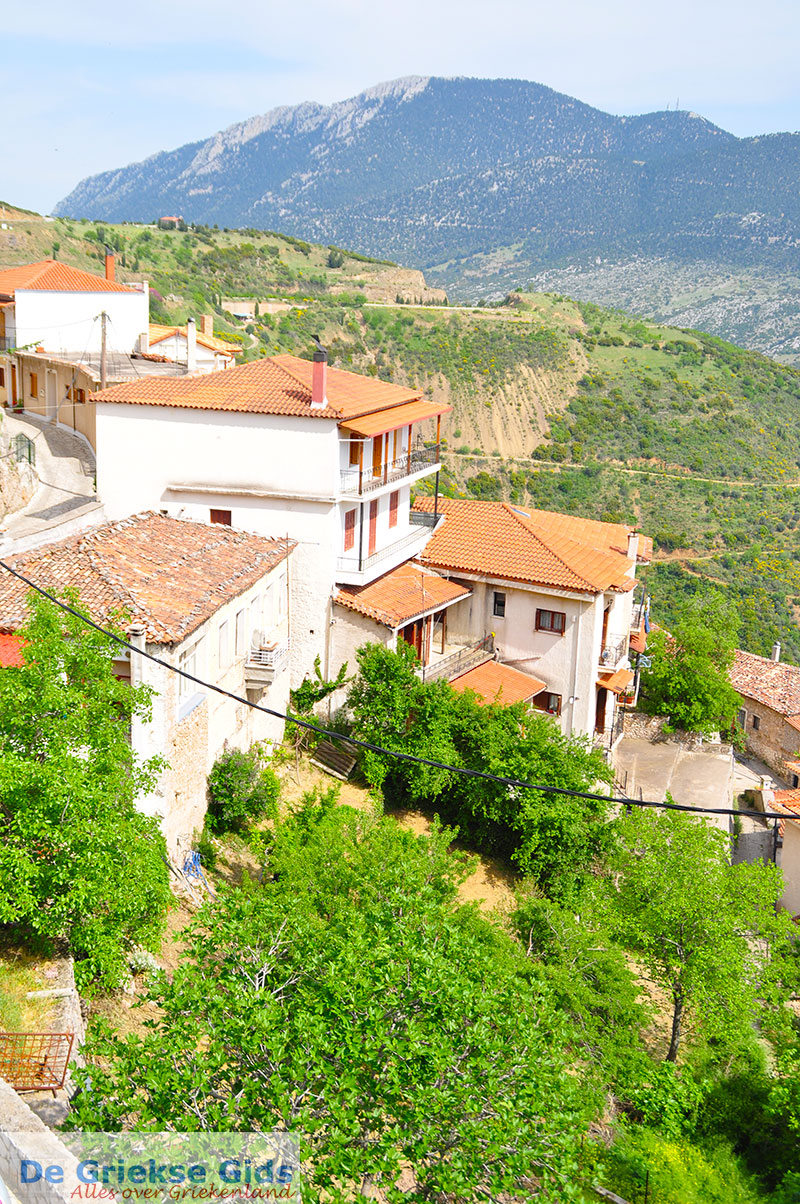
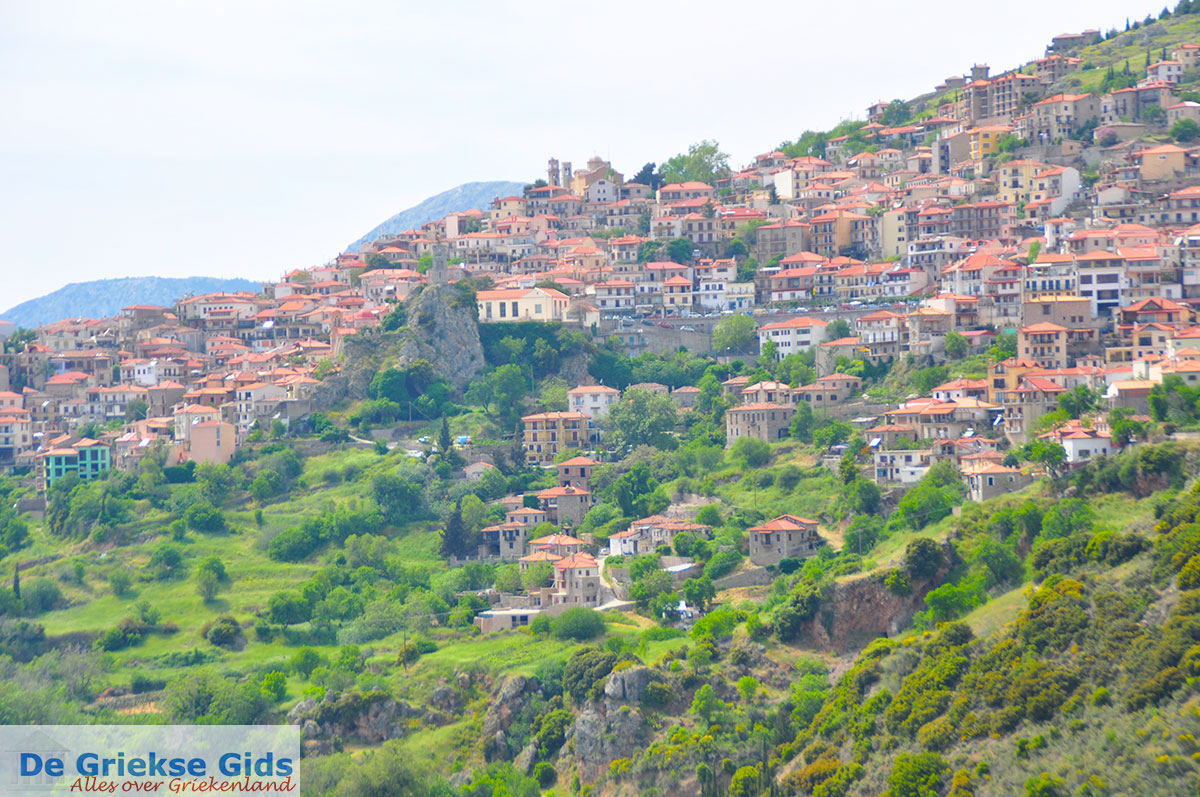
Photo of Arachova made by T. Olivier
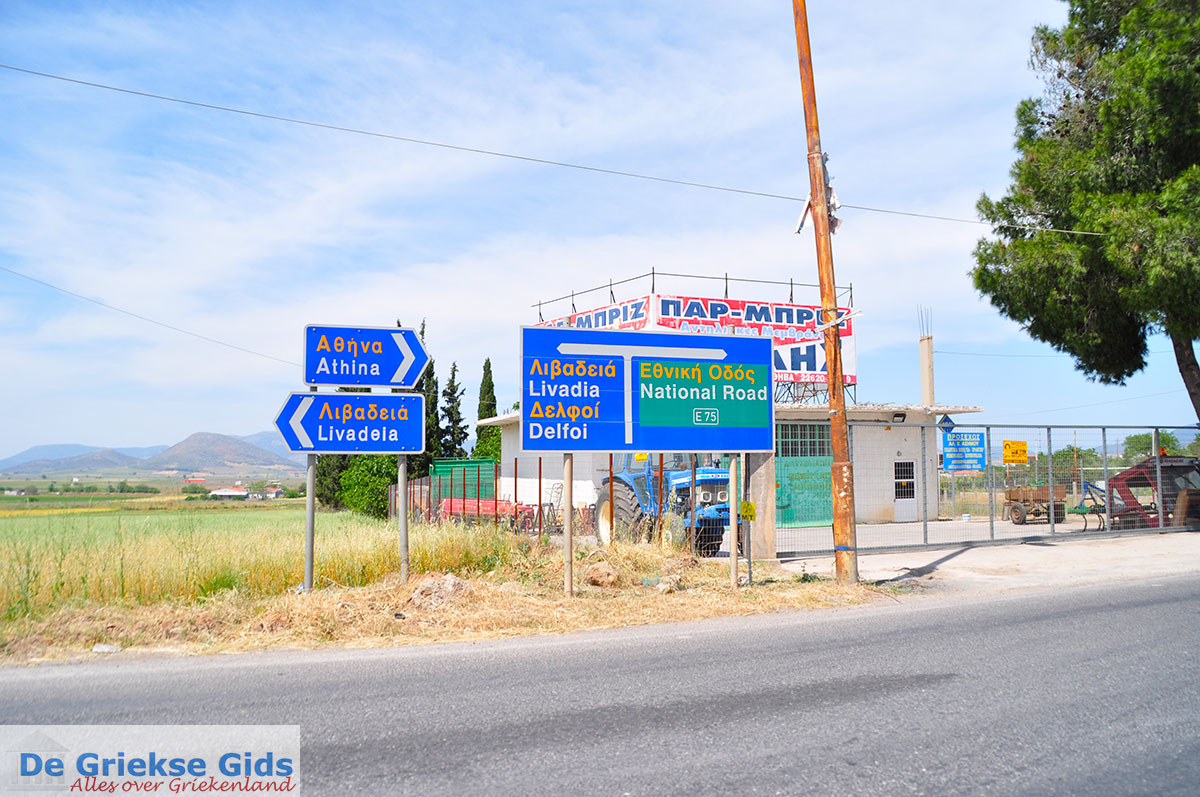
Livadia (135 km. from Athens), the capital of the prefecture,
is built between two hills on the sides of a gorge through
which flow the springs of Erkina. On the top of one of the
hills, Profitis Ilias, there is a well-preserved 14th century
medieval castle. In ancient times Livadia was known under
the name of Mideia and was the site of the famous Oracle
of Zeus Trafonios. Scholars have identified the location
of the sanctuary of Zeus and the Oracle as being on Profitis
Ilias. Livadia is very fertile thanks to the abundant water
in the region and the two springs known in mythology as Lethe
(Forgetfulness) and Mnemosyne (Memory), in the north of the
town at the site of Kria. Easter here is celebrated with
particular colour. The whole town becomes an open-air barbecue
and everywhere spitted lamb, "kokoretsi" and "splinandero" (tasty
kebabs made of the innards), and local red wine are served
to one and all. Musical instruments, folk dances and all-night
revels complete the traditional Easter festivities at Livadia.
Chaironia (Heronia). A village of great archaeological interest
and Plutarch's birthplace, lies near the battlefield where
in 338 BC Philip of Macedonia defeated the allied forces
of the other Greek city-states. At the entrance to town stands
the Lion of Chaironia, symbol of courage and bravery. Nearby
one can see the ruins of the acropolis and theatre, while
the small archaeological museum contains various objects
found in the vicinity. (Chaironia and Orhomenos). Orhomenos,
one of the oldest and richest cities of ancient Greece, is
today a low-lying, well-watered town. Worth visiting here
are the Byzantine church of the Dormition of the Virgin (9th
c.) and a vaulted. Mycenaean tomb known as the "Treasury
of Minyes". The ancient acropolis has ruins of temples,
a theatre and other buildings. Don't leave Orhomenos without
tasting its delicious trout, renowned throughout Greece,
or its similarly famous fragrant melons.
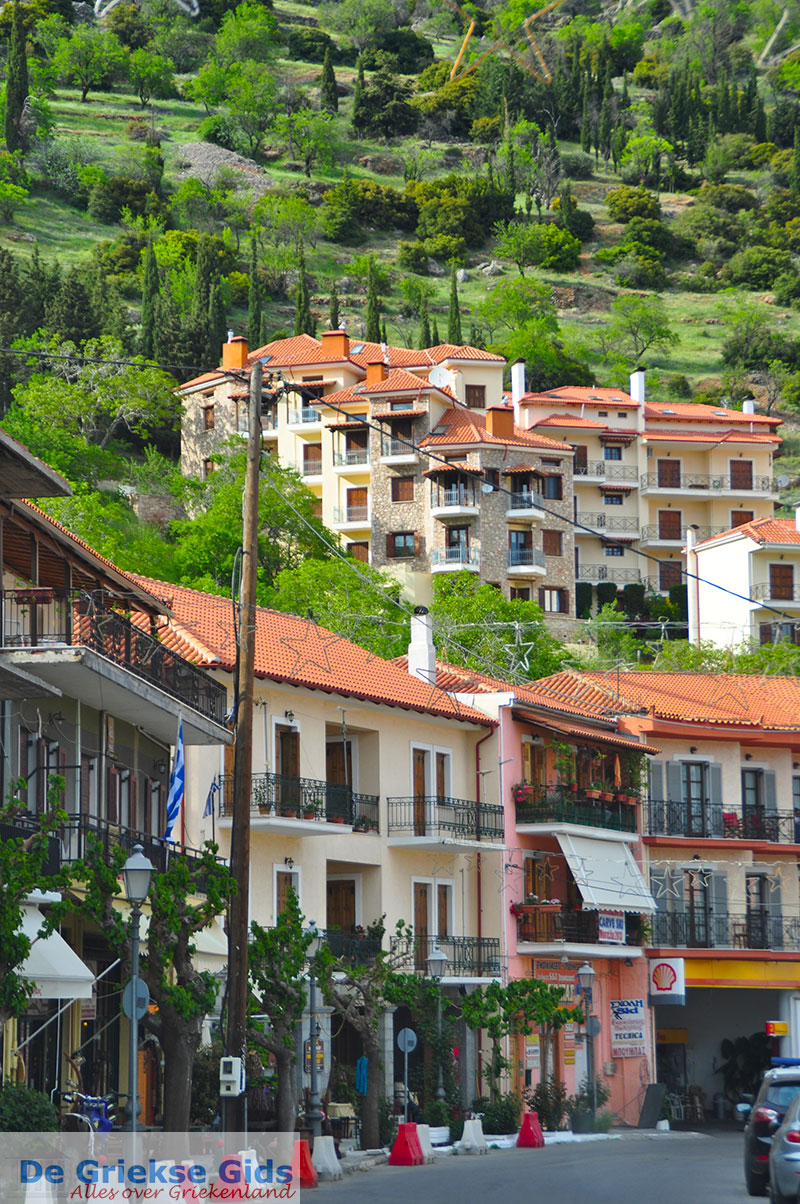
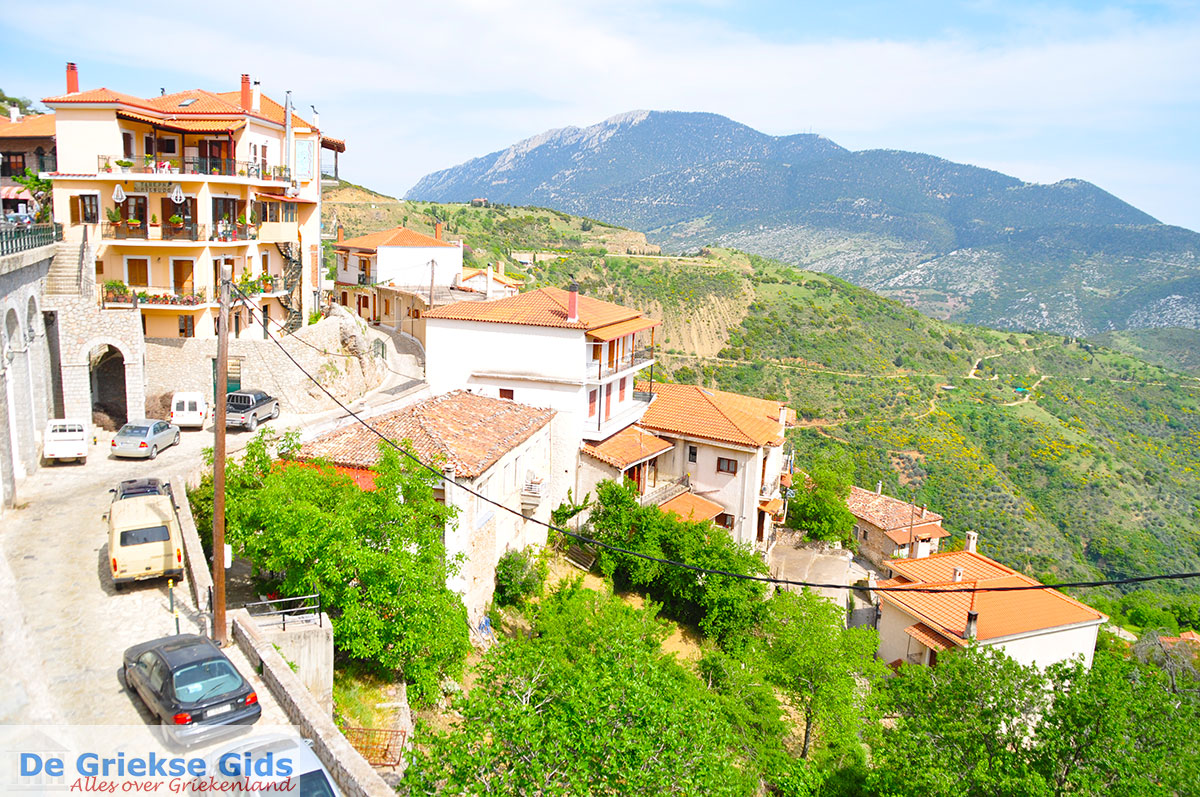
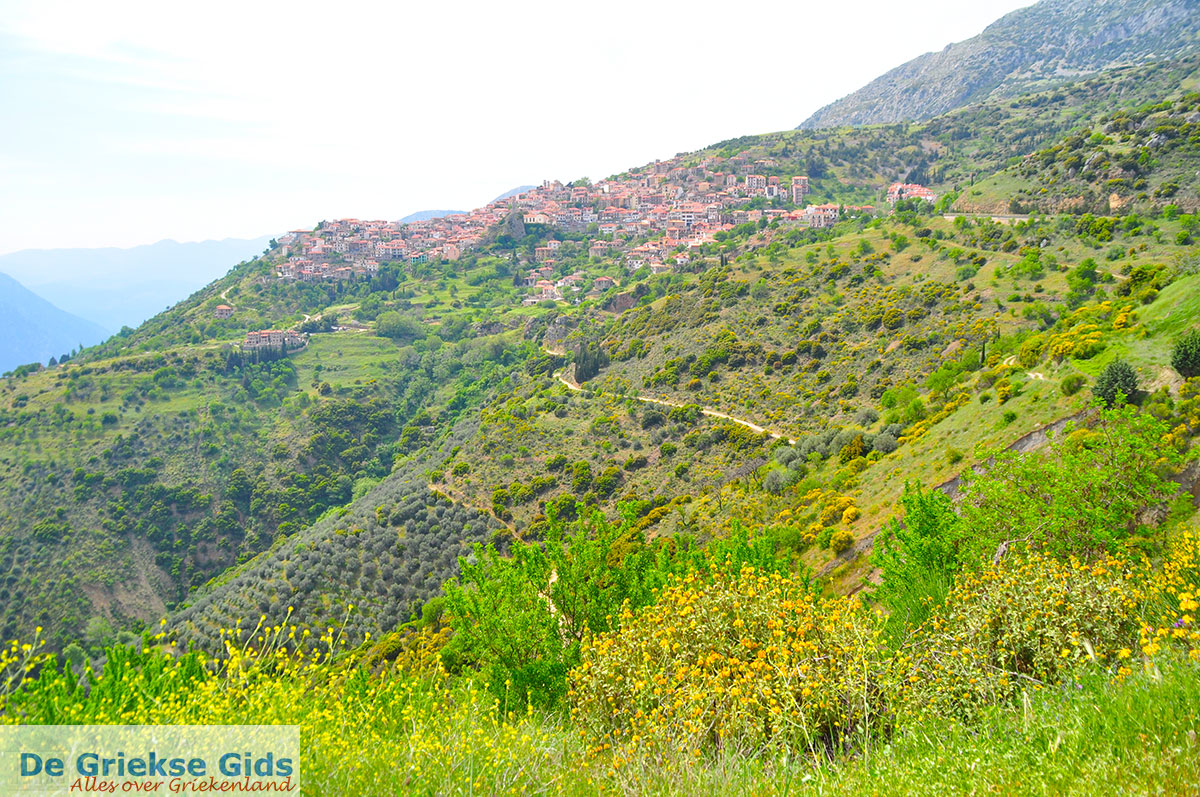
Arahova is a mountain
town little touched by modern development. At an altitude
of 940 meters, its quaint houses are built
up the slopes of Mt. Parnassus. This is a good place to buy
hand-woven fabrics, "flokates" (rugs) and coloured
shoulder bags, and you shouldn't miss trying the local specialties
in one of the town's many taverns. Arahova lies 35 km. west
of Livadia and is a usual stop for people headed for Delphi
or the Parnassus ski center. Most of the skiers, novices
or experienced, spend their nights in Arahova. If you happen
to visit Arahova in the spring, try to attend the huge celebration
that occurs on st. George's day on April 23rd. The entertainment
lasts three days and includes a race for old men dressed
up in local costume followed by feasting on roast lamb. Just
10 km. east of Distomo, a town with important archaeological
finds and an interesting museum, which played an important
role in the Revolution of 1821, one comes to the Byzantine
monastery of Ossios Loukas, whose 11th century mosaics and
frescoes are among the finest in Greece.
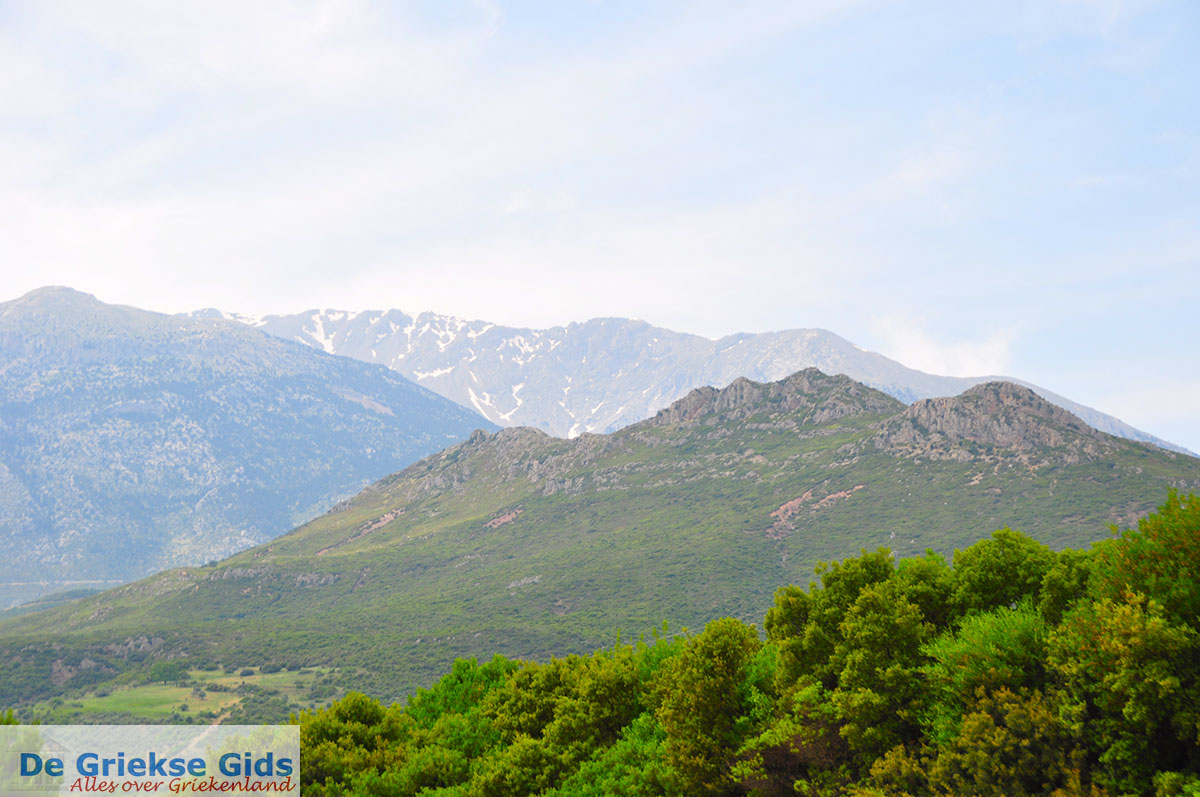
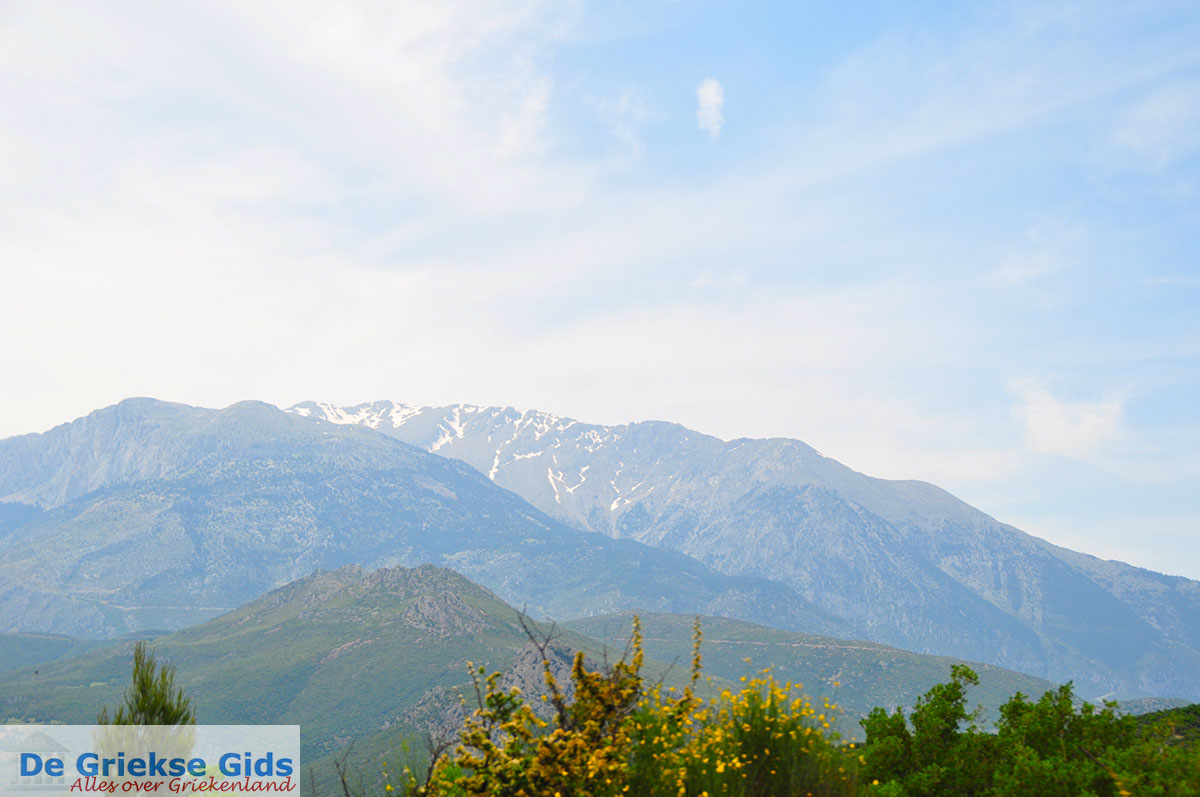
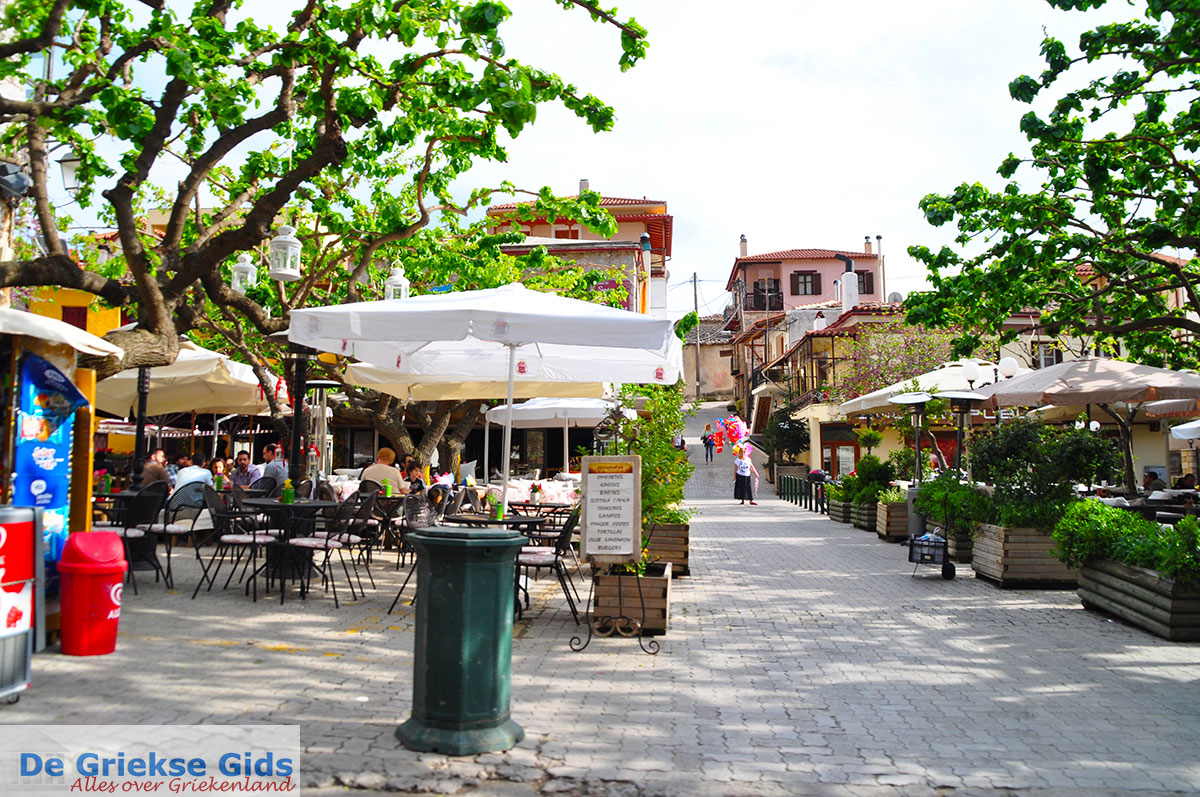
Photo of Arachova made by T. Olivier
Thebes (Thiva) (87
km. from Athens), built in a fertile, low-lying raglan, is
very interesting archaeologically. It
is said to have been founded by the Phoenician King, Kadmos.
Among the heroes of Thebes, which became famous mainly for
its adversities, is one of the most tragic figures of mythology,
Oedipus, whose story inspired the most illustrious Greek
tragedians, Aeschylus ("Seven Against Thebes"),
Sophocles ("Oedipus Rex", "Antigone")
and Euripides ("Phoenician Women").
Thebes was also the birthplace of Hercules, known for his
wondrous feats. Apart from being the homeland of myths and
heroes, the city also gave birth to extraordinary men like
the poet Pindar, the generals Epaminondas and Pelopidas,
and others. We recommend that you visit the superb archaeological
museum, the Mycenaean tombs in the area, the ruins of the
temple of Ismenios Apollo and the spring of Agii Theodori,
known in antiquity as the "Fountain of Oedipus".
Other sights worth noting are: the Fountain of Dirki at the
Frankish aqueduct, the Byzantine church of Agia Fotini, the
catacombs of the early Christian church of St. Catherine,
the church of St. Luke the Evangelist in the town's first
cemetery, which contains a 13th century sarcophagus supposed
to have held the saint's body. Using Thebes as a base one
can visit Plataiai (Platees) (18 km.) and Lefktra, the sanctuary
of Kabeirians, the Mycenaean Acropolis Gla or Goulas on Mt.
Ptoon, Tanagra, renowned for its terra cotta figurines, Vathi
Avlidas, Faros and Dilessi. Two kilometres north of Vathi
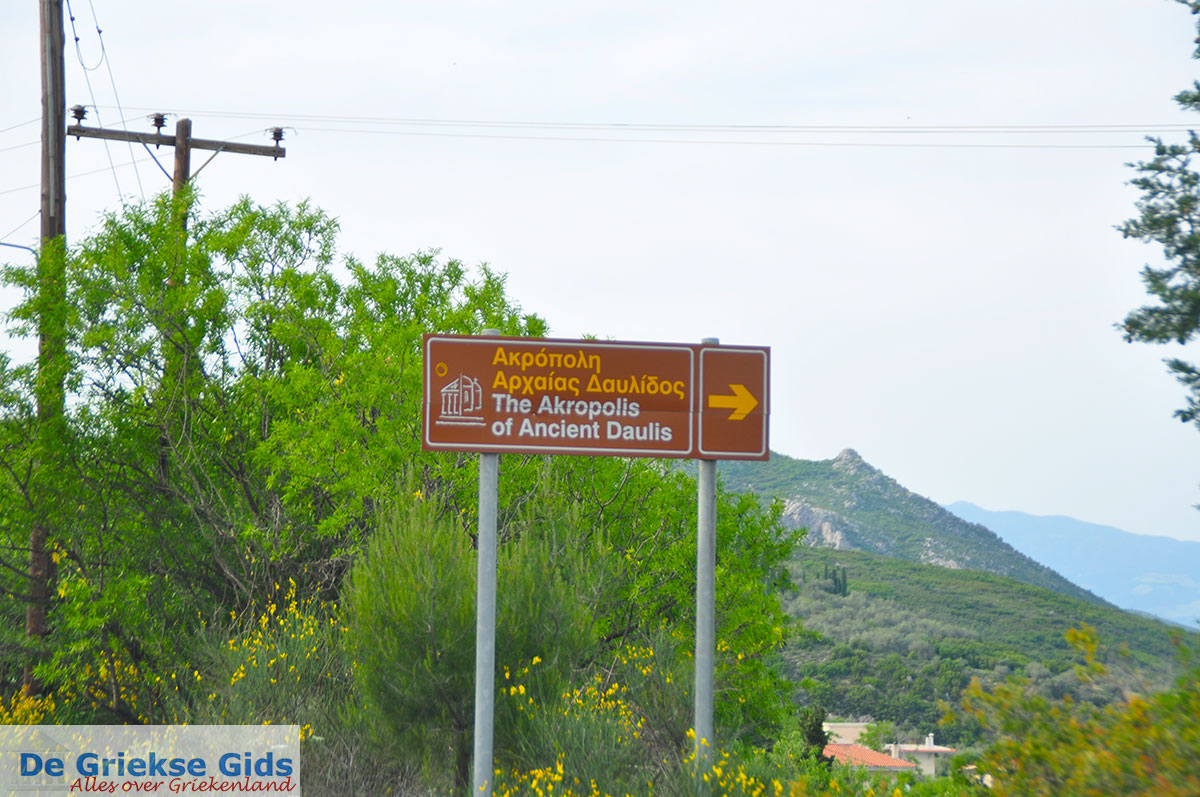
lie the ruins of ancient Aulis (Avlida), where myth recounts
that Agamemnon sacrificed his
daughter Iphigenia to the goddess Artemis. And one must not
overlook the lovely beaches in the raglan - Distomo Beach,
Andikira, Agios Issidoros, Vathi Avlidas, Faros, Sarandi
Beach - which, whether sandy or pebbly, offer superb bathing
conditions.
Mountain Climbing-Skiing
There is a refuge for mountain climbers at Gerondovraho (alt.
1900 m.), 24 km. from Arahova. The modern
installations at the Parnassos ski centra (27 km. from
Arahova), which is run by the GNTO, will satisfy
bath experienced skiers and beginners.
Special events
Livadia's traditional Easter celebrations; in Thebes, the
Clean Modany (beginning of Lent) presentation of the Vlach
wedding (a costume farce); the festivities connected with
St. George's day in Arachova; in Chaironia, a drama festival
in honor of Plutarch in June; in Distomo the "beginning
of summer" is celebrated traditionally on Clean Monday.
Source:Greek
National Tourist Organization.