Kalymnos - Dodecanese (Greece)
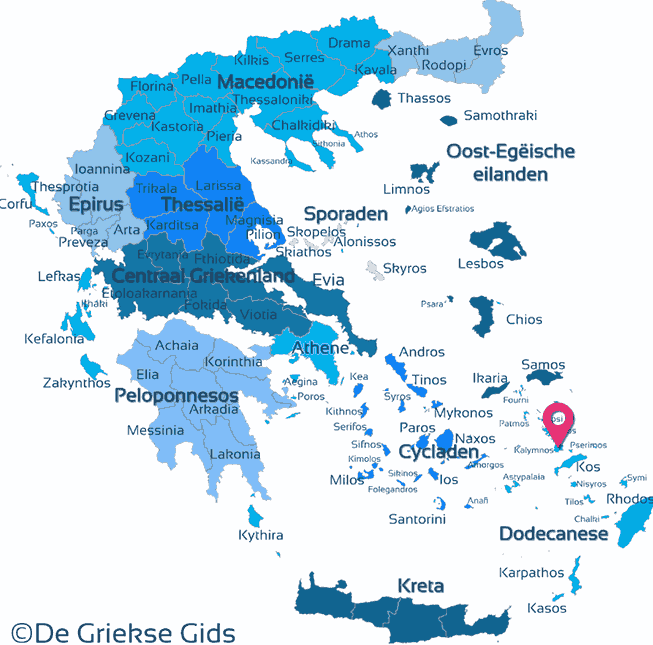
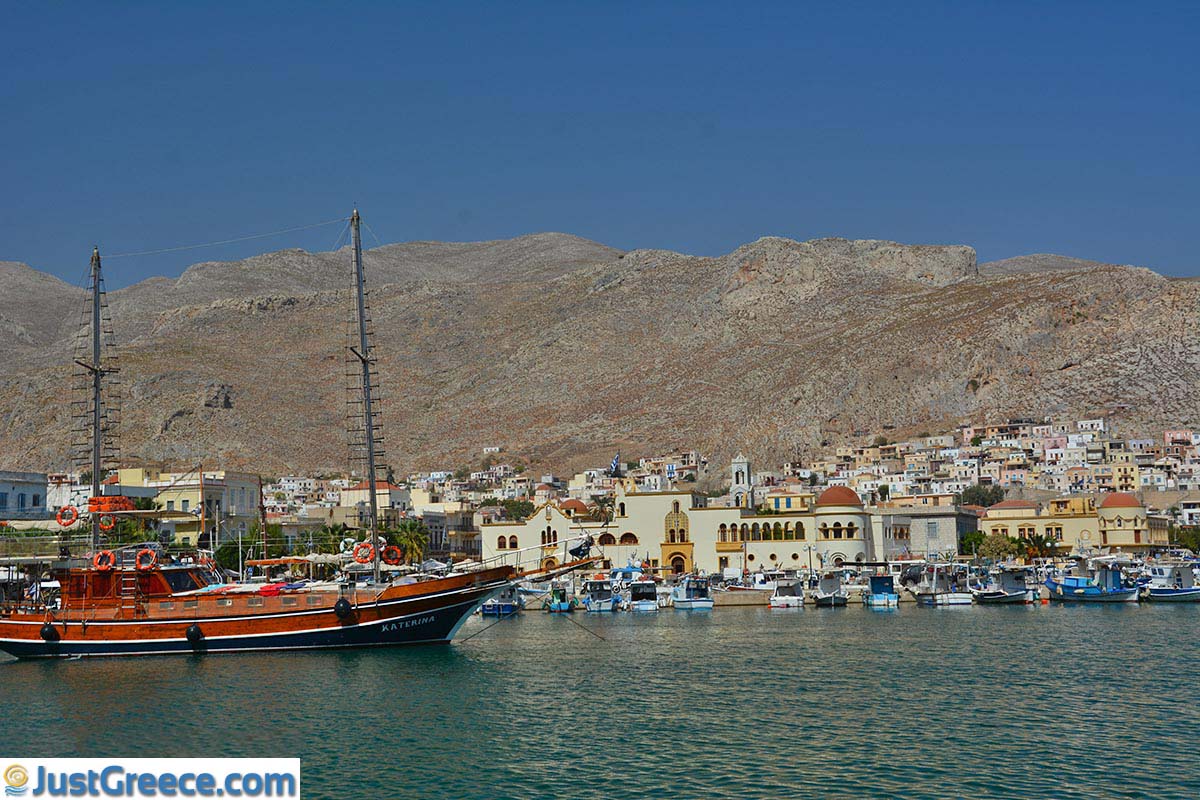
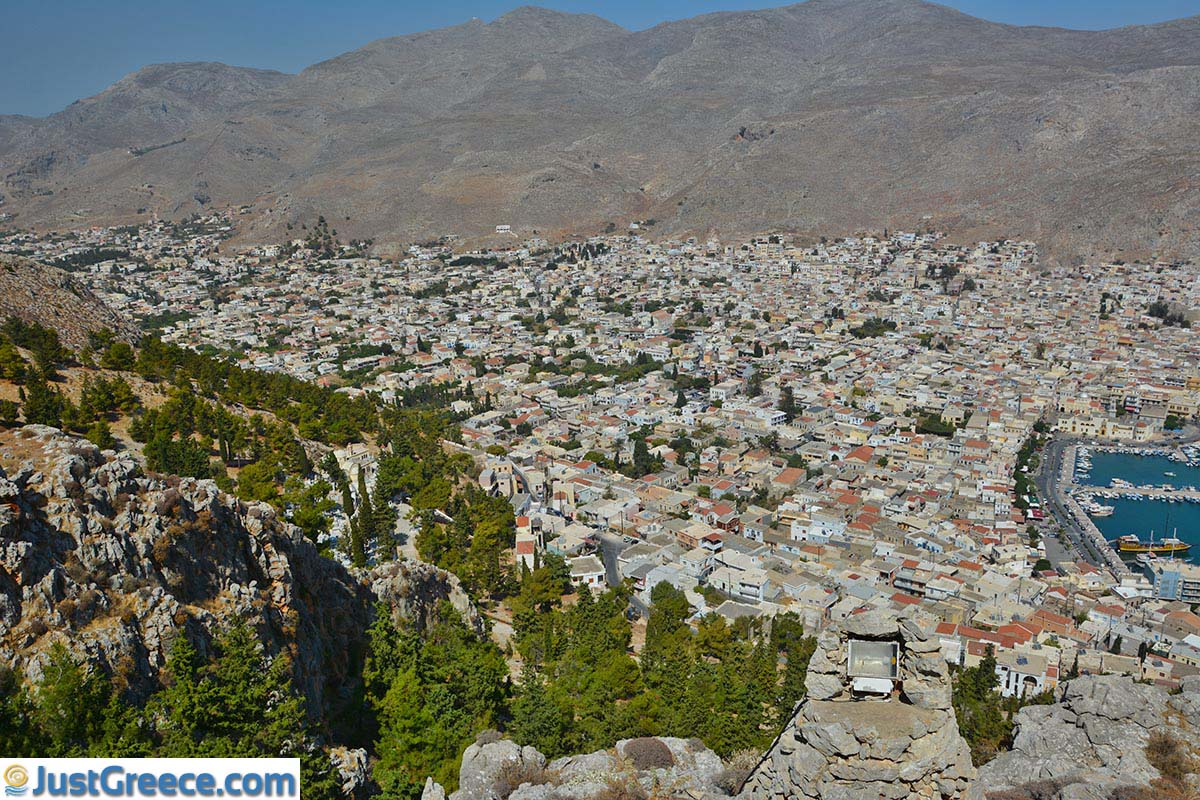
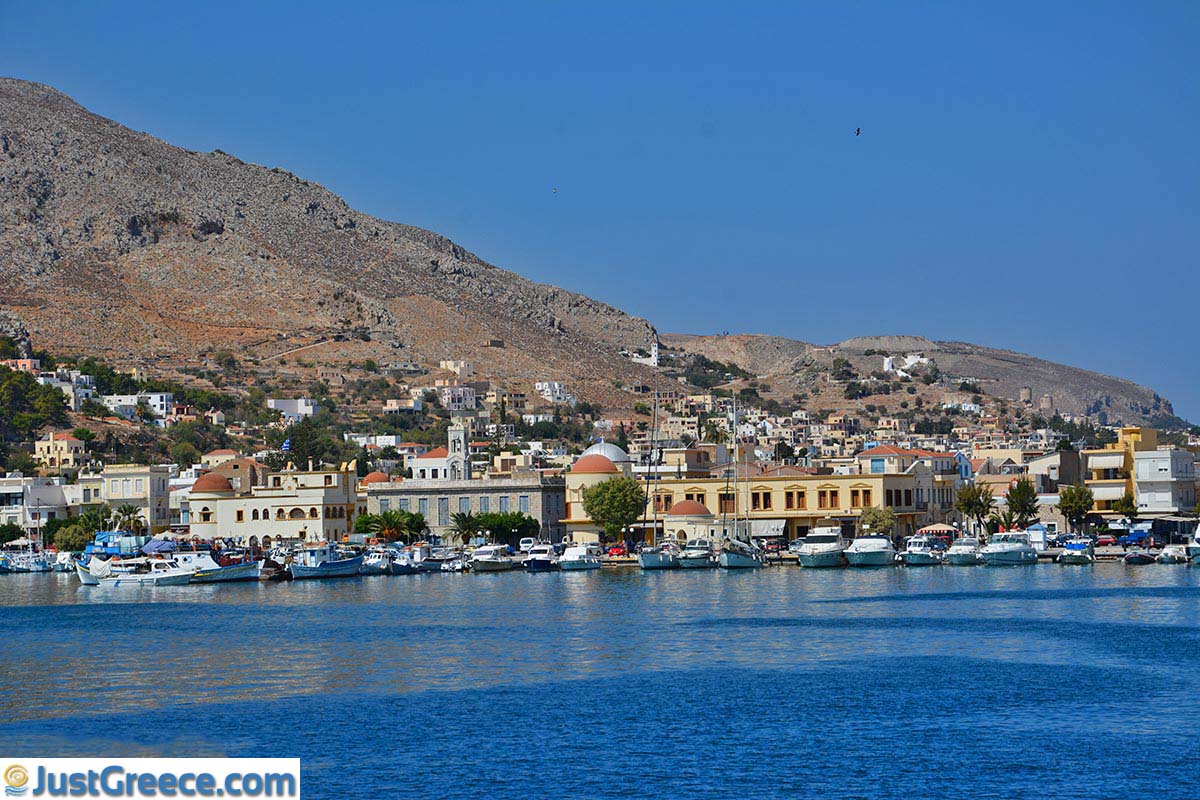
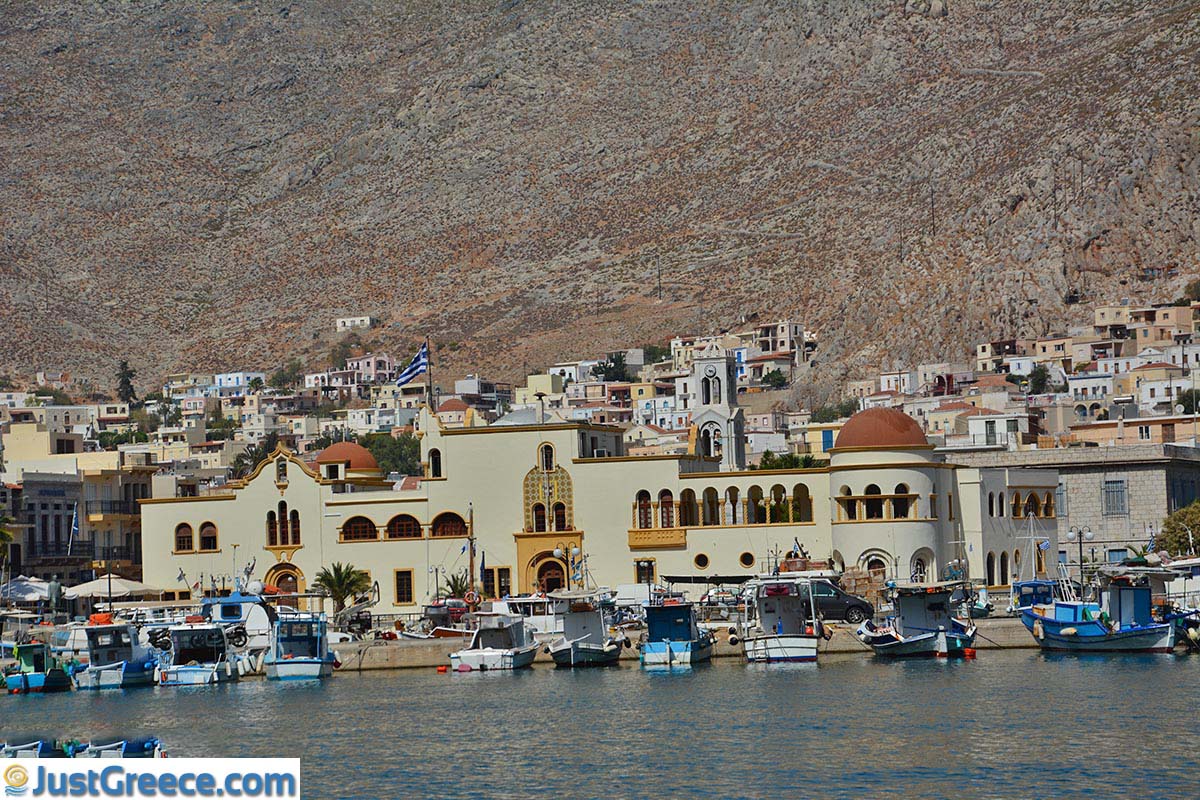
Kalymnos. Between the islands of Kos and Leros lies the fourth largest island of the Dodecanese Group: Kalymnos. The capital of the island is the picturesque Pothia, where about 11,000 people live. The port of Kalymnos is located in Pothia.
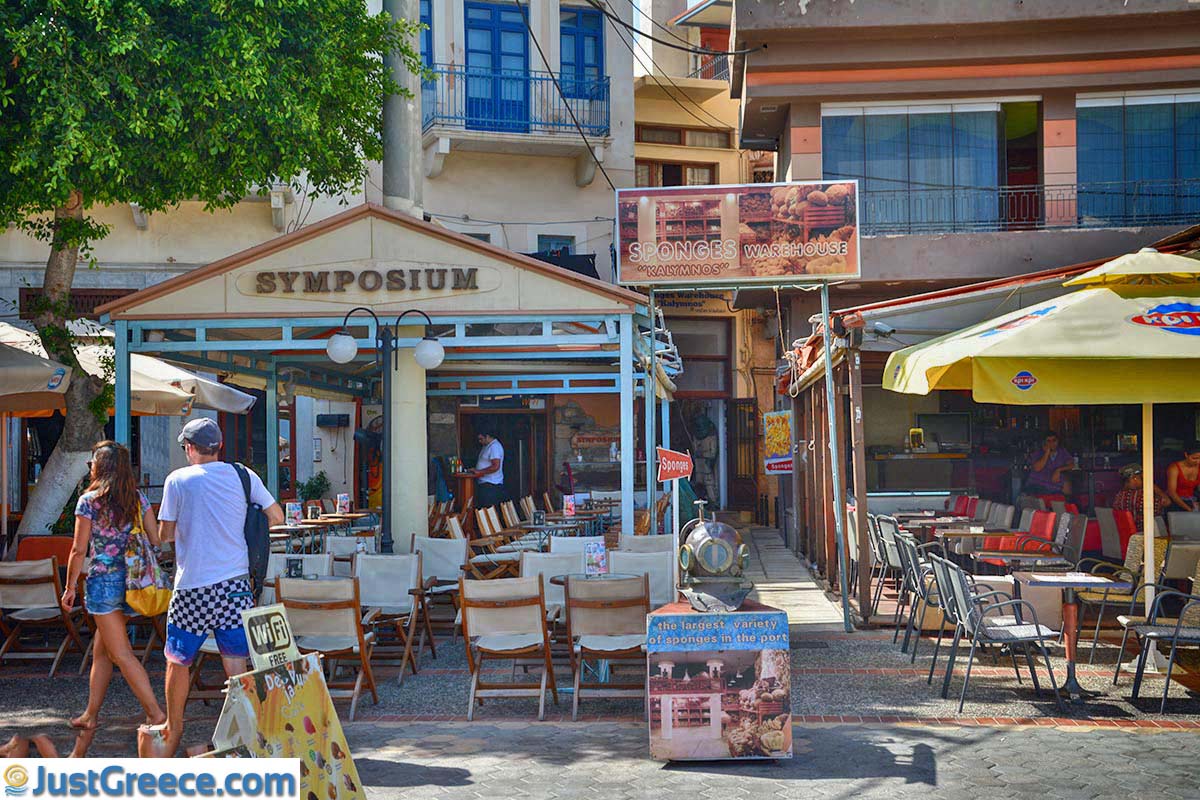
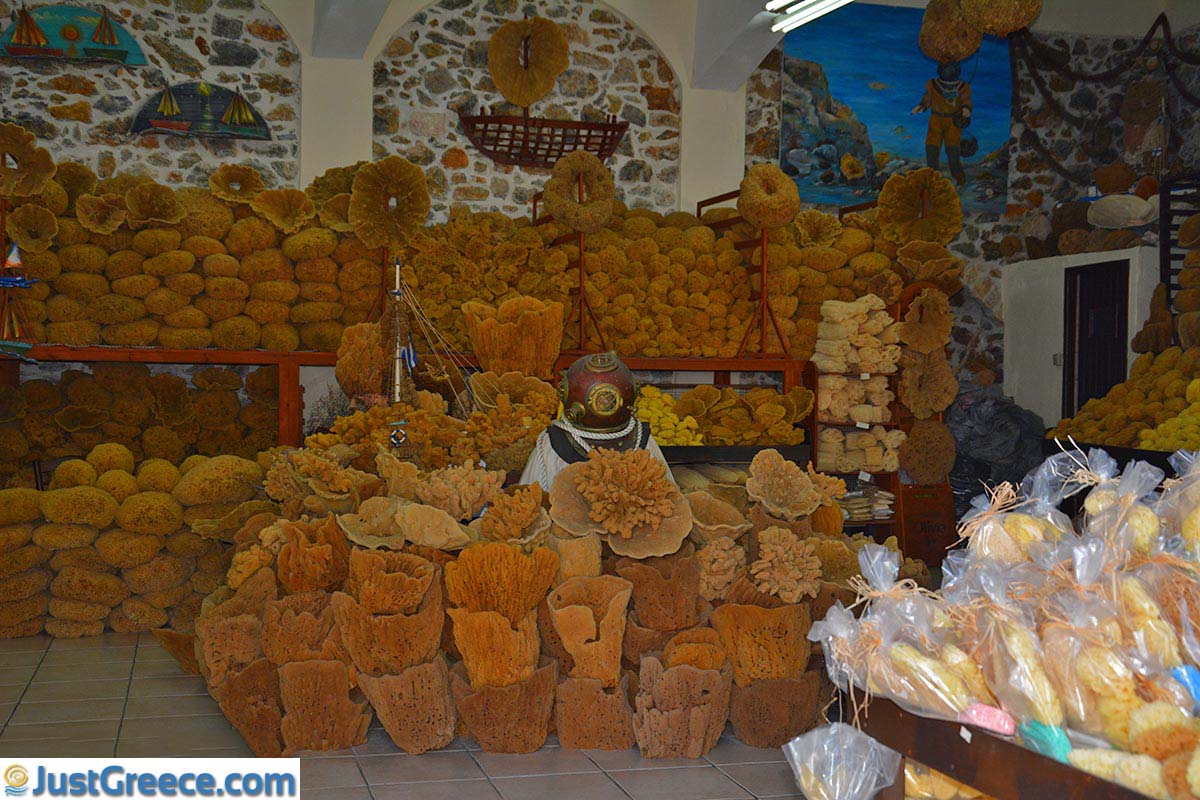
Kalymnos is a barren mountainous island with some fertile valleys full of citrus groves. For centuries on the island of Kalymnos, sponge diving was the most common profession. Sponge diving brought wealth and prosperity to the inhabitants of the island. It was sponge divers from Kalymnos who brought air compression techniques to the United States and turned the small sponge diving industry in Tarpon Springs, Florida into flourishing industry in the early 1900s. Tarpon Springs is still well known for its sponge diving industry and its Greektown.
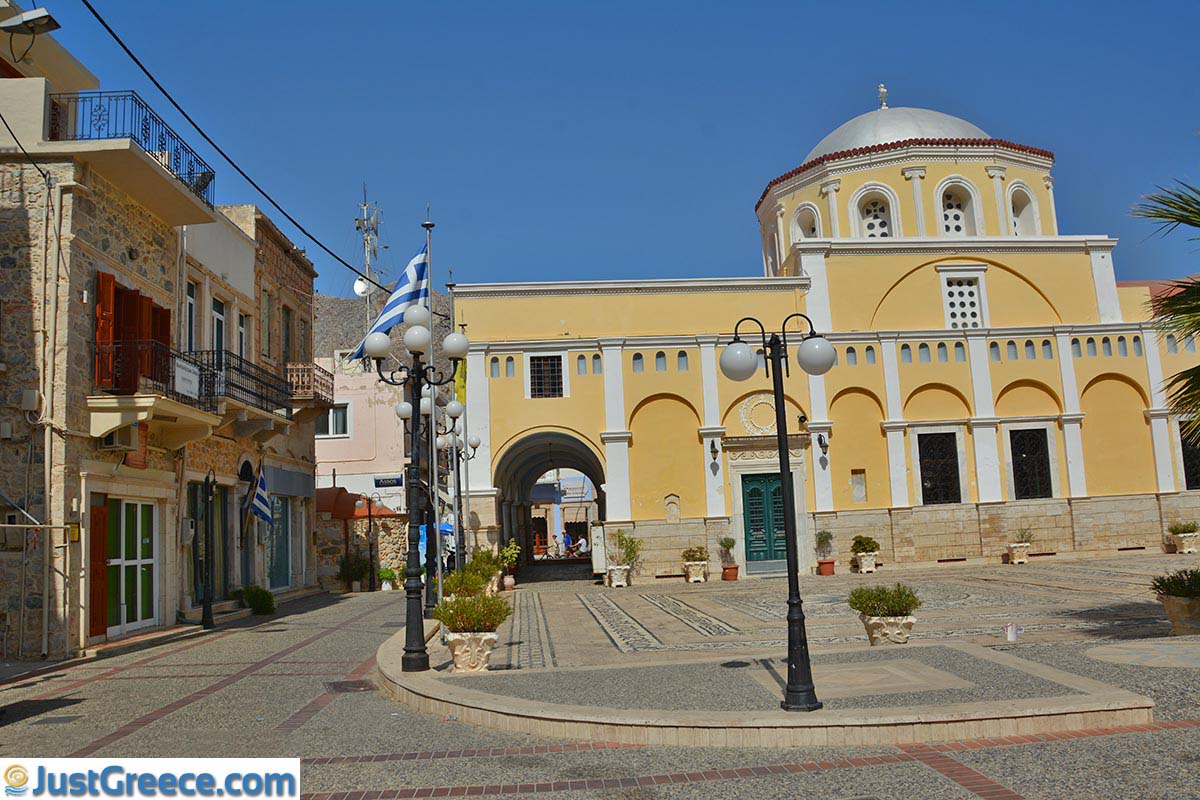
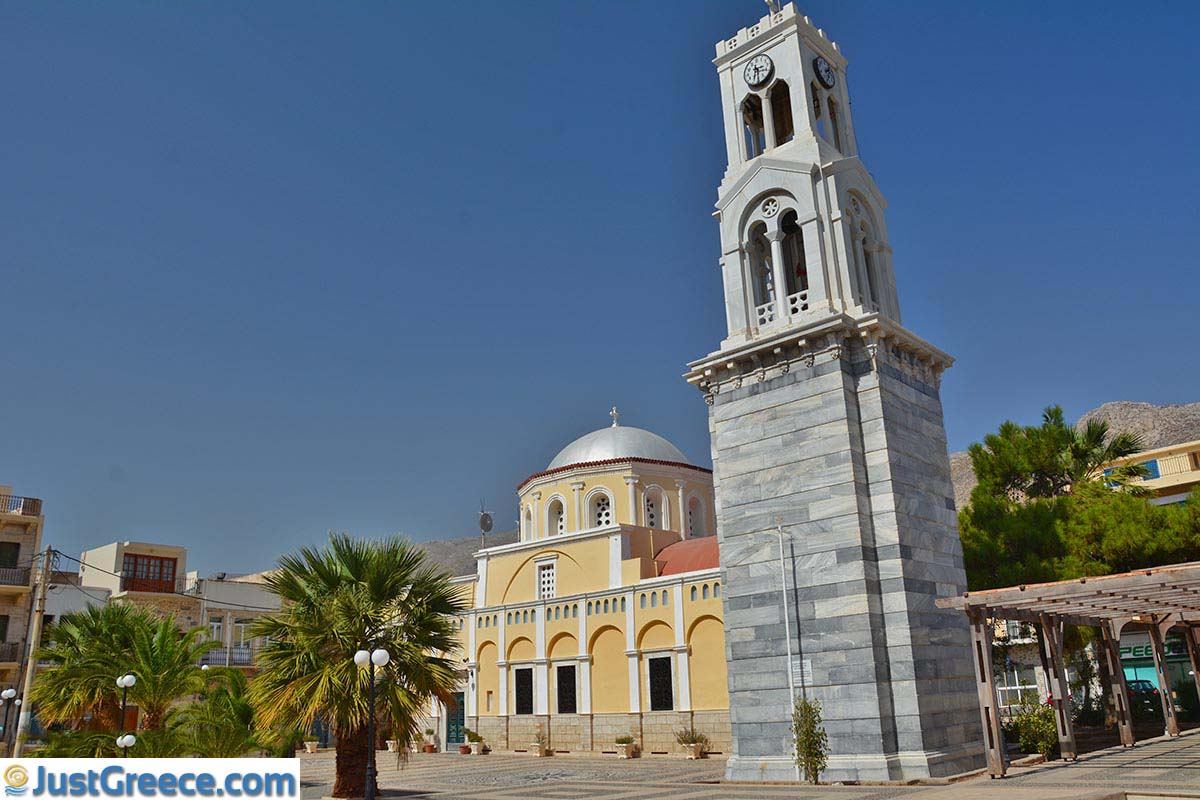
The houses on Kalymnos usually have two or three floors and the roofs are covered with ceramic tiles. There are many churches on the island with beautiful icons. It is worth visiting the Church of Christ the Savior in Kalymnos town as well as the Archaeological Museum, the Cave of the Seven Virgins and the Cave of Kefalas, where archaeological finds are located.
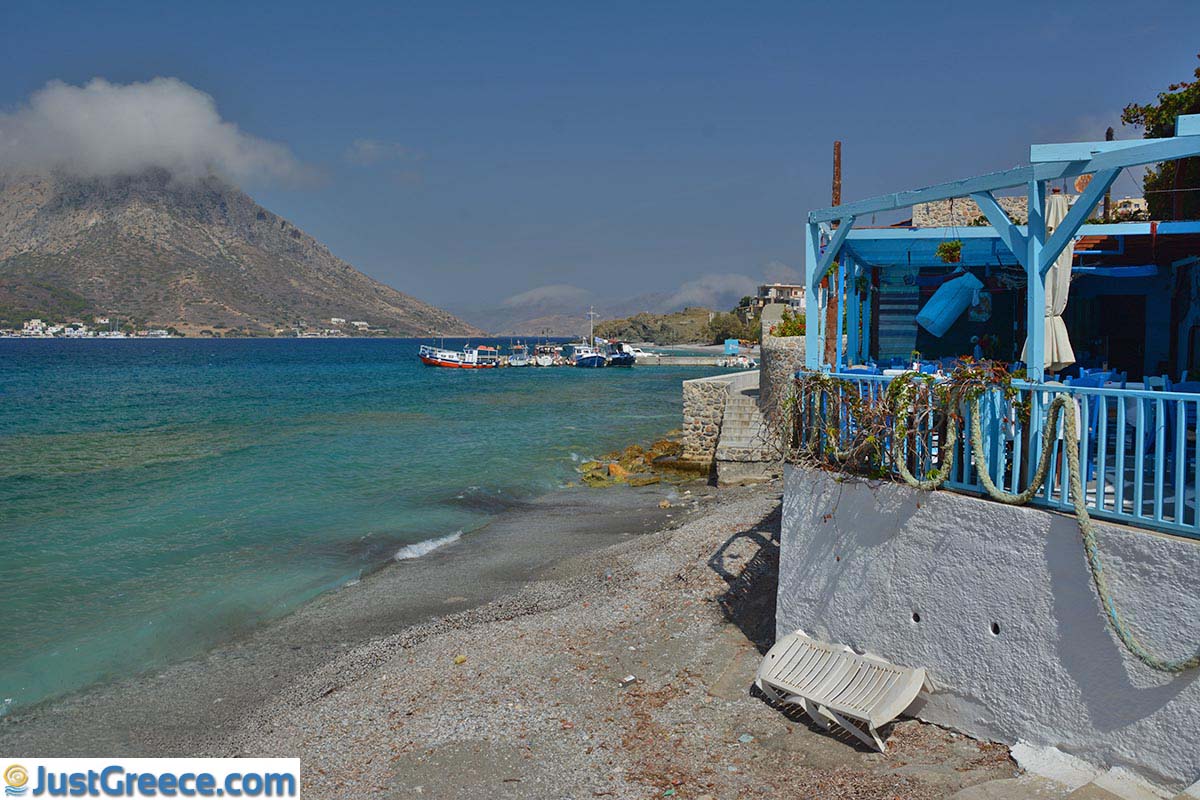
The spectacular beaches are on the west coast of Kalymnos. The most famous are Masouri and Myrties.
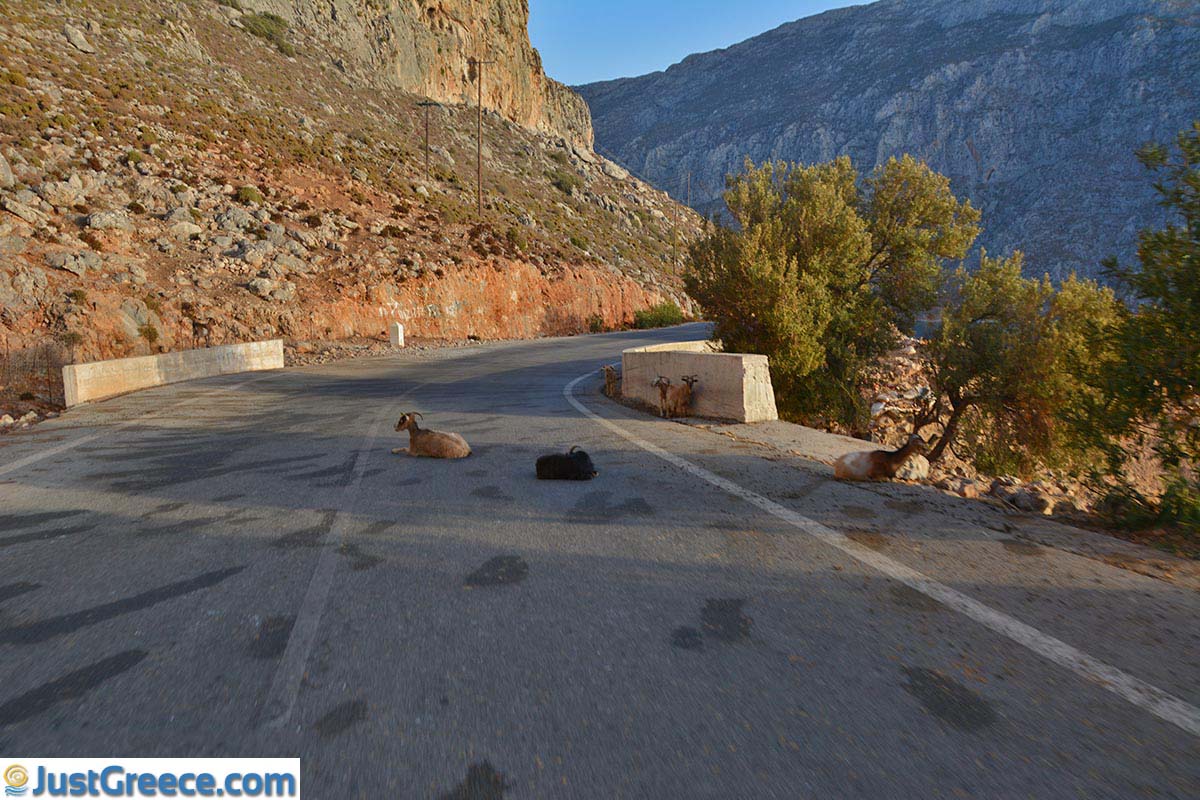
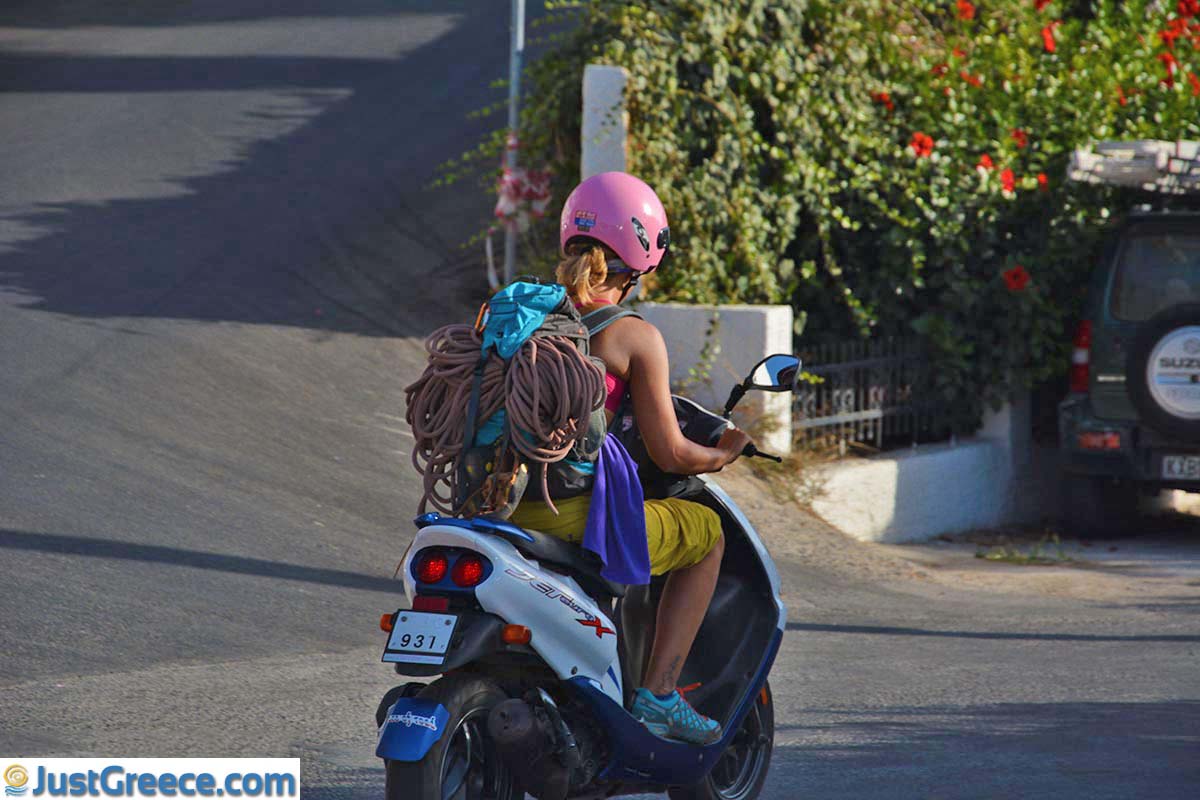
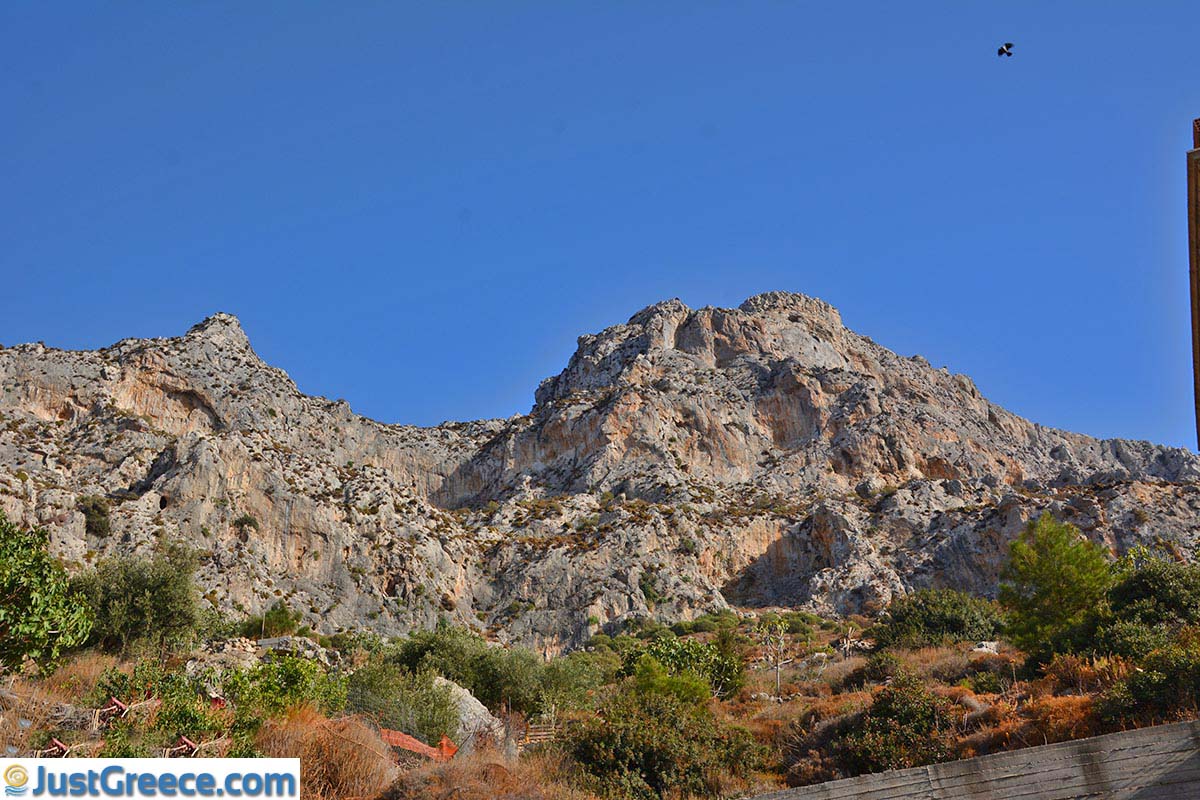
Nowadays tourism is the main source of income for the inhabitants of Kalymnos. Kalymnos is an island where alternative tourism is possible like diving, windsurfing, fishing and hiking. Kalymnos also offers great climbing opportunities in a scenic setting. The rock formations are of climbing quality (limestone) and the area offers plenty of variety for climbing excursions. There are many starting points to begin a climb. The best times to climb in Kalymnos are the cooler spring and autumn. The summer temperatures are very high.
Kalymnos is a charming island that has kept its own identity. The population is welcoming and friendly and the island has good facilities for tourists.
Photo Gallery Kalymnos - Photos of Dodecanese
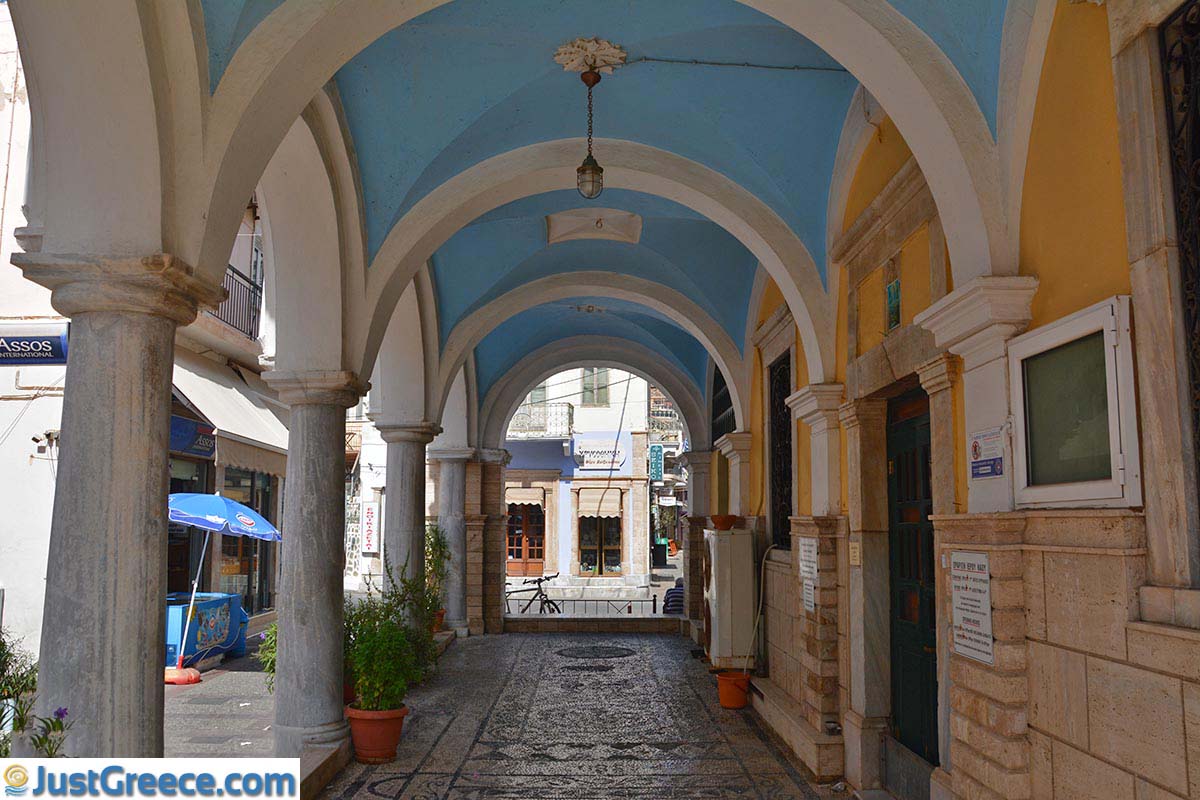


Sights and tips Kalymnos
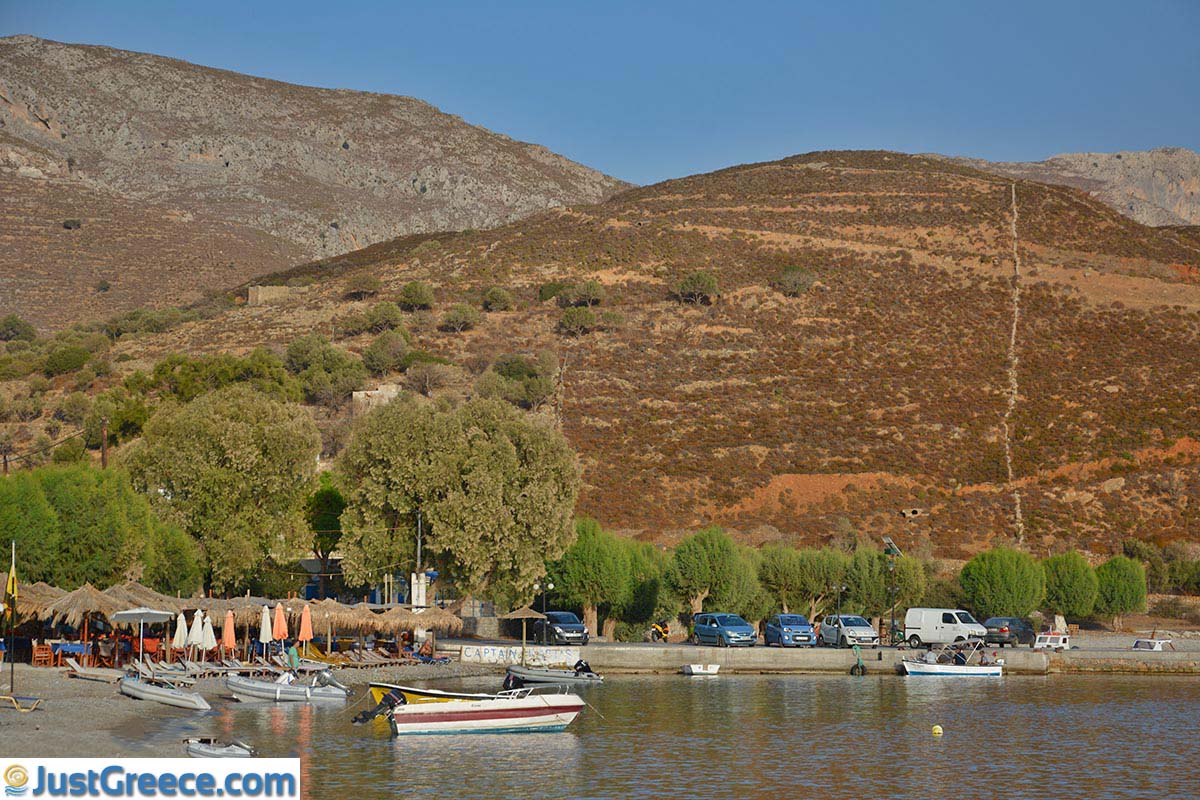
- The village of Emborios is located about 23 kilometers (14 mi) from the capital Pothia. It is the northernmost village on the island. There is a small harbor and a pretty beach. Restaurants and a small supermarket line the small promenade.
- The village Masouri: Masouri is located on the west coast of Kalymnos, 10 kilometers (6 mi) from Pothia. It is one of the most popular resorts on the island and is home to one of the best beaches.
- The village of Myrties is also located on the west coast of Kalymnos. It lies next to Masouri. It got is name from the myrtle trees that grow here. There is a pebbly beach here.
- The Byzantine fortress near the village of Masouri.
- The fortress Monastery of Panagia Kyra Psili. This fortress is dedicated to Virgin Mary and is located on a steel rock, near the village of Metochi (5 kilometers/3 miles from Pothia).
- The fortress of Chorio: This fortress was first built by the Byzantines, then later rebuilt by the Knights of Rhodes. The ruins of the fortress and 9 churches are scattered on the top of a hill.
- The quiet hamlet of Emborios that lies to the north.
- At Therma, one kilometer from Pothia, you’ll find the therapeutic bathing springs of Kalymnos.
How to get to Kalymnos
Kalymnos is connected by ferry with the ports of Piraeus (Athens), Astypalaia, Chios, Kastelorizo, Kos, Leros, Lipsi, Lesvos, Naxos, Nisyros, Paros, Patmos, Rhodes, Samos, Symi, Thessaloniki and Tilos.
Text: Yorgos and Wendy Nikolidakis - Text edited by Katrina Butzer
Weather forecast Kalymnos
Dronevideo Kalymnos
Drone video Kalymnos - Edited by Sem Eissens - Justgreece.com
Kalymnos in other languages
 Kalymnos (GriekseGids.nl)
 Kalymnos (GriekseGids.be)
 Kalymnos (GreeceGuide.co.uk)
 Kalymnos (GriechenlandWeb.de)
Kalymnos: Where on the map is Kalymnos located?