Kos - Dodecanese (Greece)
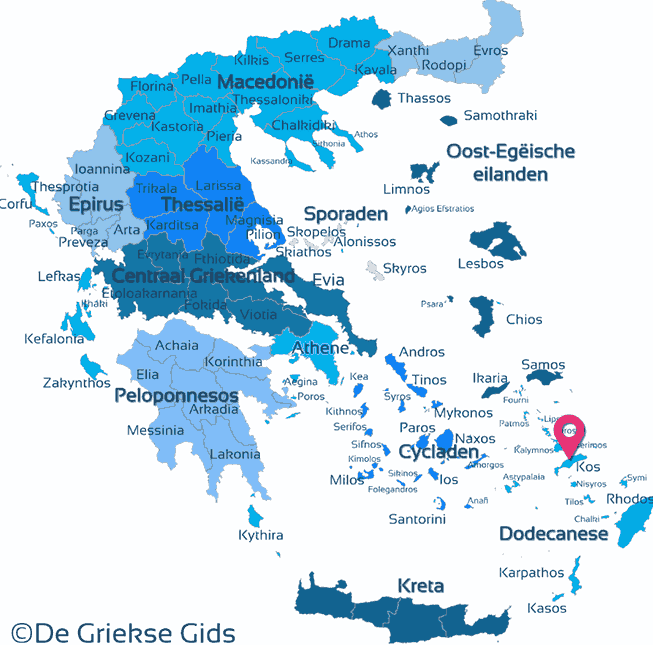
Kos Island. Kos is a popular, touristy, Greek island in the southeastern Aegean Sea. It lies in the middle of the Dodecanese and is surrounded by the islands of Kalymnos, Pserimos and Nisyros. Kos is the third largest island of the Dodecanese after the islands Rhodes and Karpathos. Compared to other Greek islands, it is relatively flat with only a few mountains. It is a fertile island with plenty of water. It has a wonderful climate – winters are mild and summers are not too hot.
The island is 295 km2 (183 mi2) in area and has a 112 kilometer (70 mi) coastline to explore. It is an elongated island with a length of about 45 kilometers (30 mi). The southeast coast is mainly mountainous. It is here that the highest peak on Kos, Dikeos Mountain, rises to 846 meters or almost 2,800 feet. Against the southern slopes of Dikeos and its pine forests, lies one of the most beautiful sites in Kos, the village of Zia.
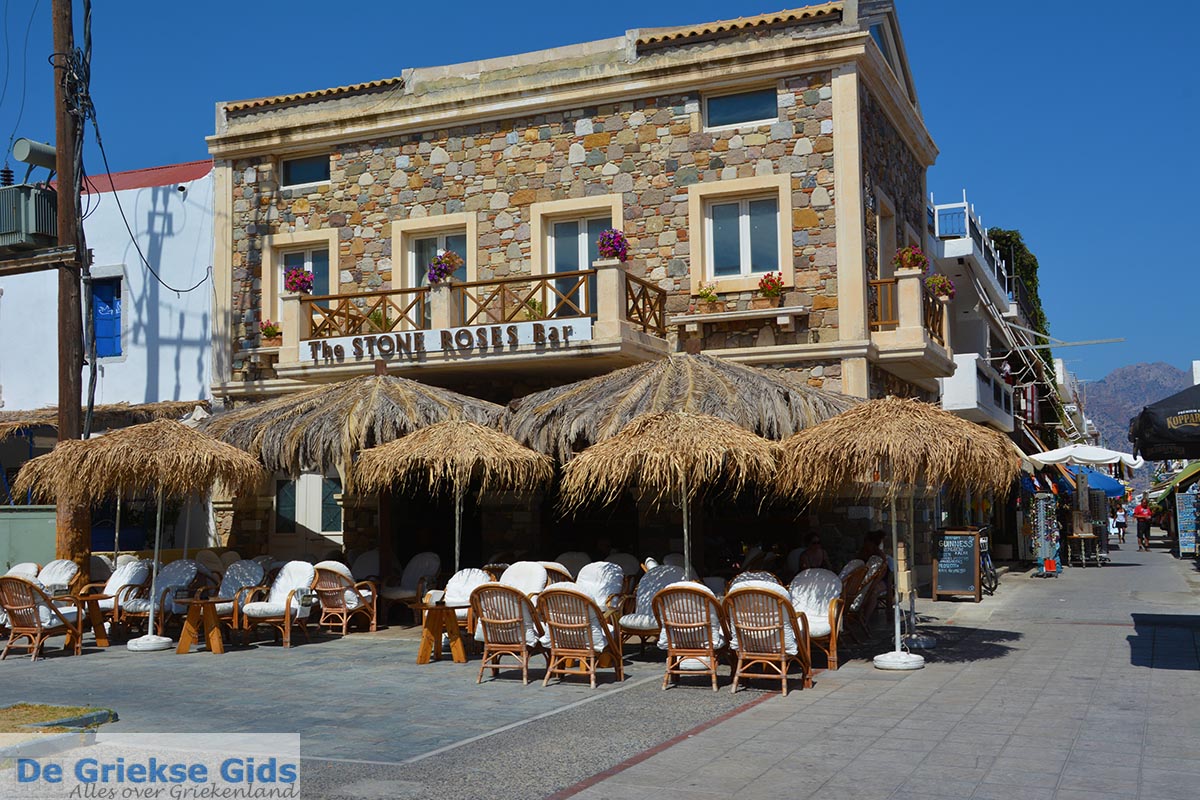
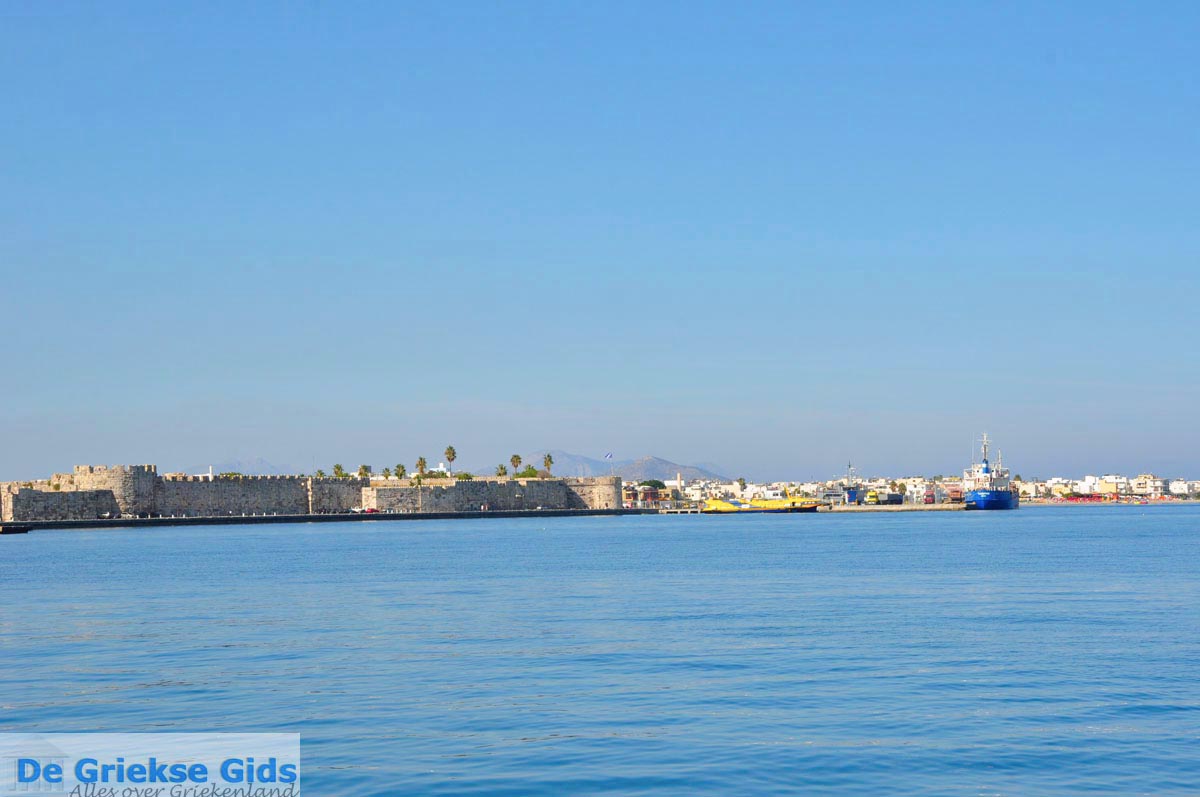
Capital of the island is the town of the same name, Kos. The town of Kos is located in the northeast of the island, on a stunning bay. Via the great port on the bay, the island is connected to other ports in the Aegean and the Greek mainland. Kos town is a scenic town with many monuments to mark its rich history, a lovely harbor, a modern marina, and a mix of modern and traditional shops – something for everyone. In the city, large trees line the left and right of the road and flowers are everywhere. In Greece, Kos is known as the island of cyclists because of its excellent cycle paths.
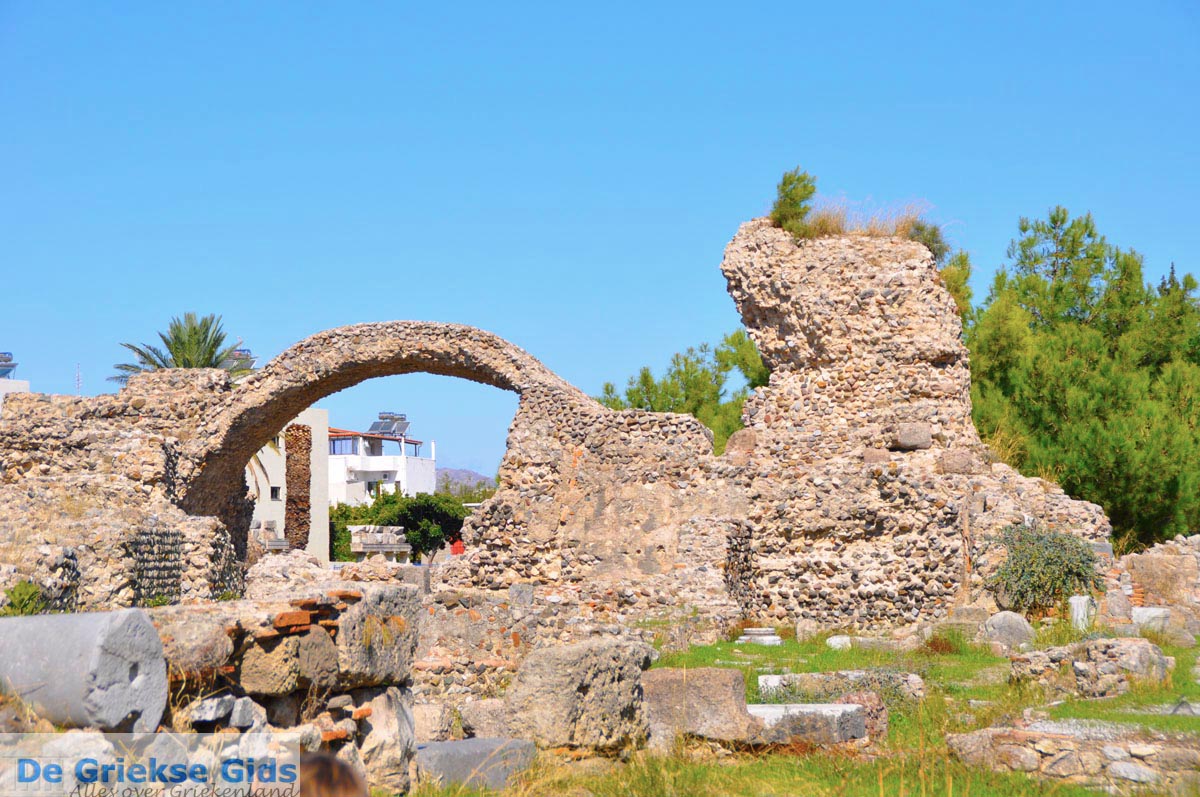
Hippocrates, the philosopher and physician, is probably Kos’ most notable native son. His most valuable work, the "Hippocratic Oath," or an oath based on the Hippocratic Oath’s insistence of personal and professional ethics, is still taken by doctors throughout the world today. North of Kos town is an Asclepeion. Named after the Greek god of medicine, Asclepius, an Asclepeion is an important healing shrine. This one in Kos dates from the fourth century BC. The ancient shrine included a medical center (even patient waiting rooms) and a school.
Kos is a green island, recognized internationally as an environmentally conscious location. Swimmers enjoy its beautiful sandy beaches, many of which proudly fly the blue flag, representing the International Environmental Award for clean and safe beaches.
Photo Gallery Kos - Photos of Dodecanese
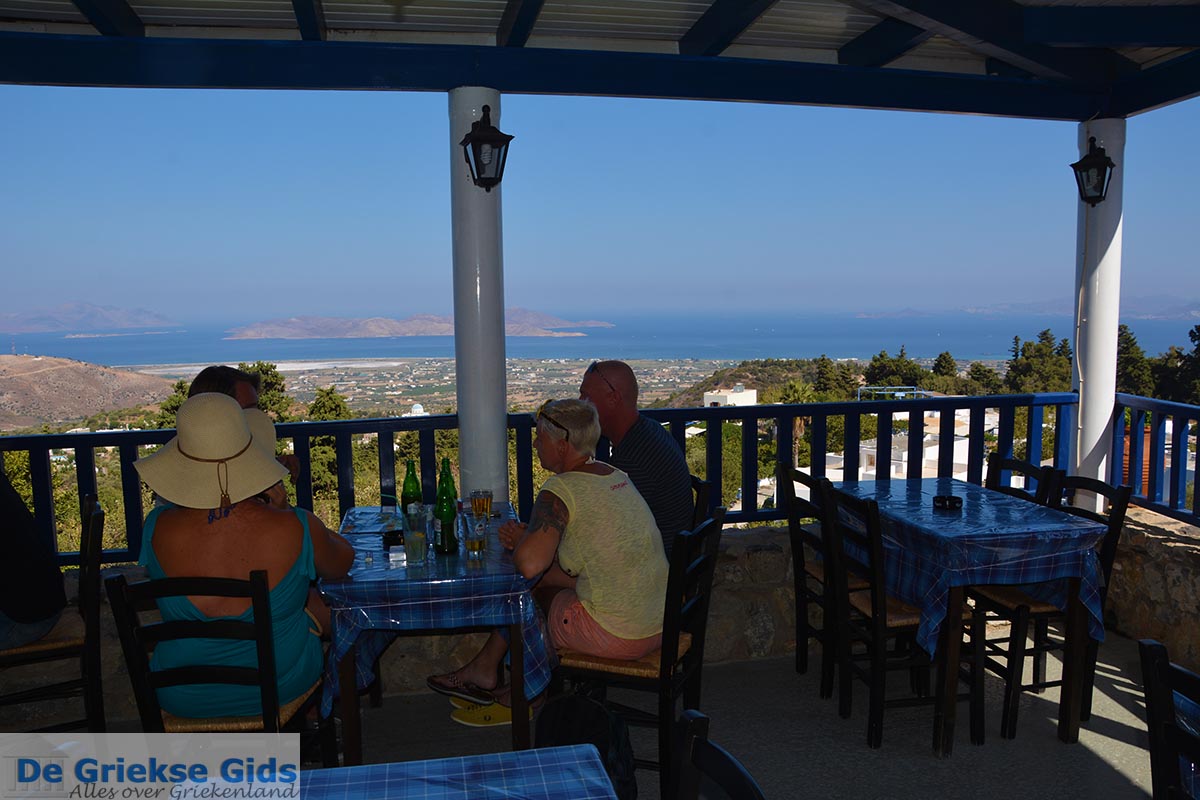
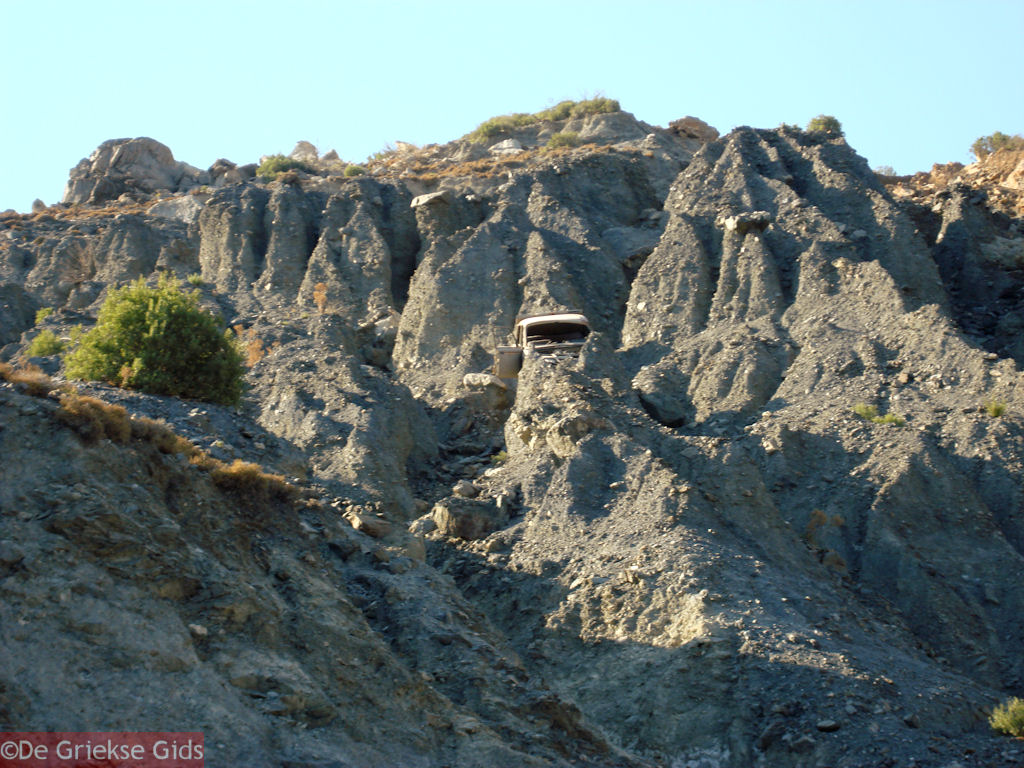


Highlights, tips and other information of Kos
The Asclepeion
 The Asclepeion of Kos is known as the birthplace of Hippocrates, the "Father of Medicine." He freed the medicine of the priesthood and magicians. To this day the Hippocratic oath is taken by physicians as they promise to observe ethical principles in the practice of medicine. The Asclepeion is one of the most important archaeological monuments of the island of Kos. The Asclepeion was, in that era, the finest and the most famous hospital.
More about the Asclepeion »
Aghios Fokas
 Aghios Fokas is the area entirely located in the eastern part of Kos. It is located about 8 kilometers (5 mi) from Kos town and is reachable in 15 minutes by bus. Others choose to bike there along an easy, large bike path. Here you will find modern amenities in the form of hotels and other tourist focused development. Among the gems is a terrific, environmentally conscious beach bar, the Aghios Fokas Beach Club.
More about Aghios Fokas »
Marmari
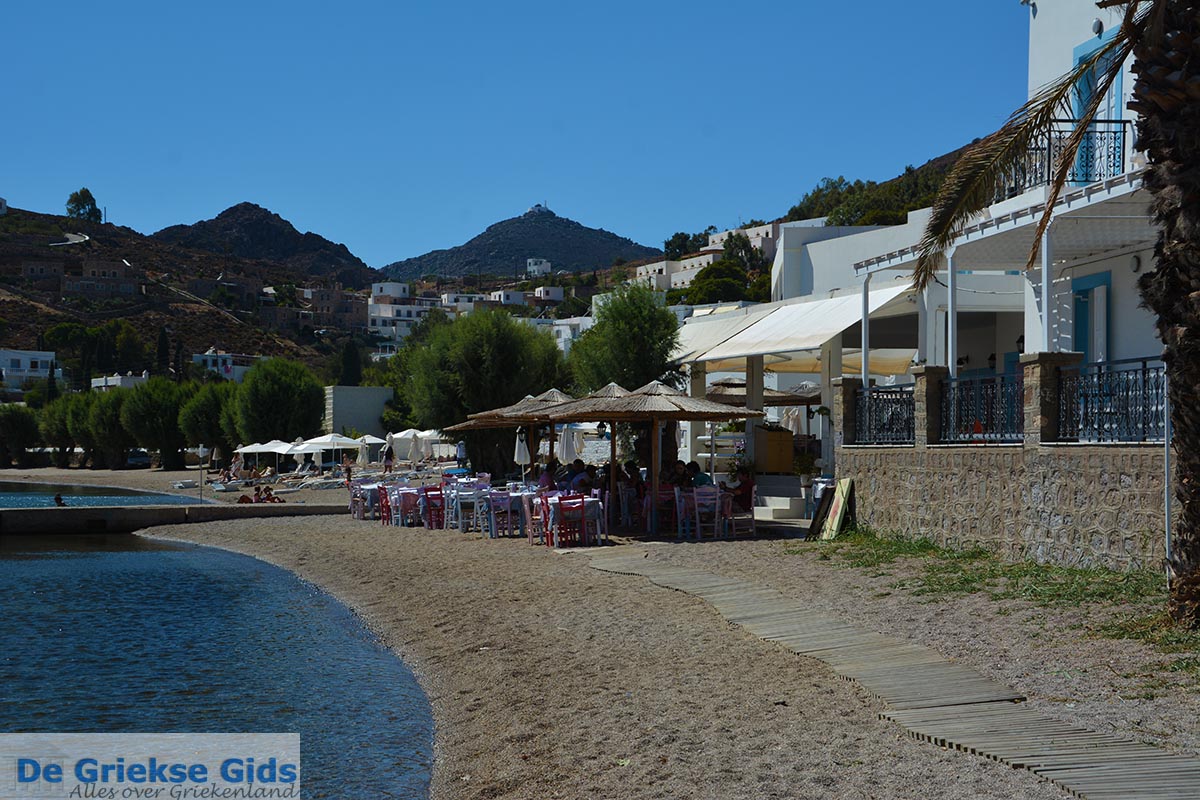
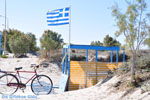 Marmari is a small seaside town, 15 kilometers (9 mi) southwest of Kos town. The distance from the Kos airport to Marmari is 12 kilometers (7 mi). The beautiful white sand beach of Marmari backs to low dunes overgrown with all kinds of trees. On the beach you’ll find plenty of conveniently located fish taverns, restaurants, bars and cafes. Here in Marmari, surfing and parasailing are popular water sports, and you can also enjoy horseback riding.
More about Marmari »
Psalidi
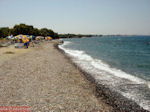 Psalidi, which in Greek means "scissors," is the area that extends east of the town of Kos to the eponymous Cape Psalidi. In this area of ??Kos all the beaches are pebbly. Don’t be discouraged, the water is crystal clear here, and swimming is even more enjoyable here where the water is slightly warmer than on the south side of the island. In Psalidi you will find many of the finest hotels on the island.
More on Psalidi »
Kos town
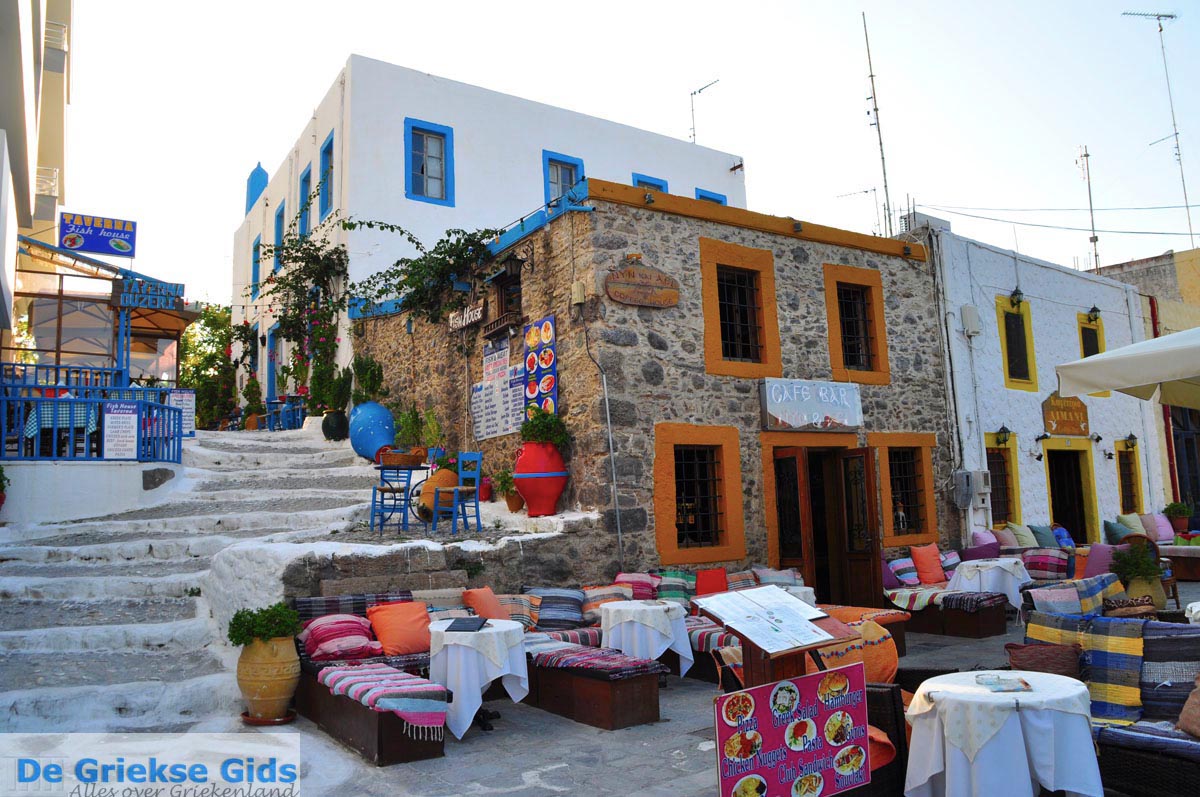
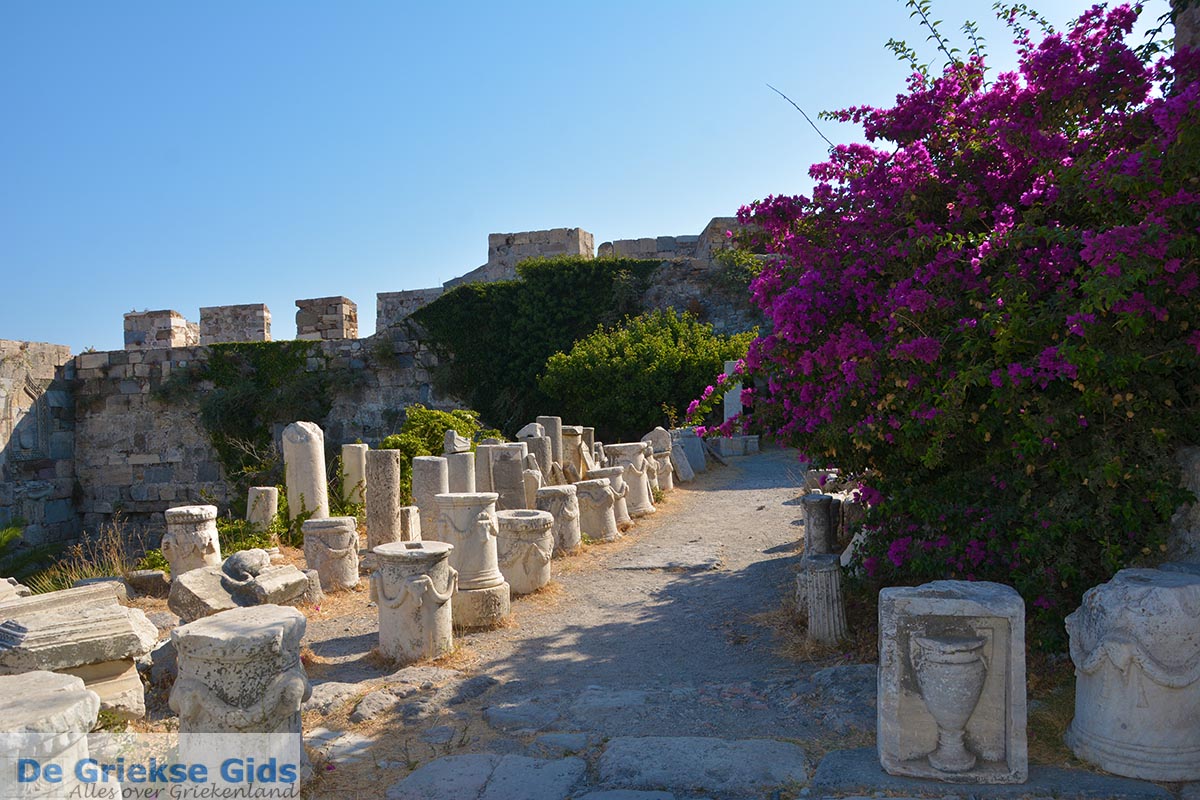
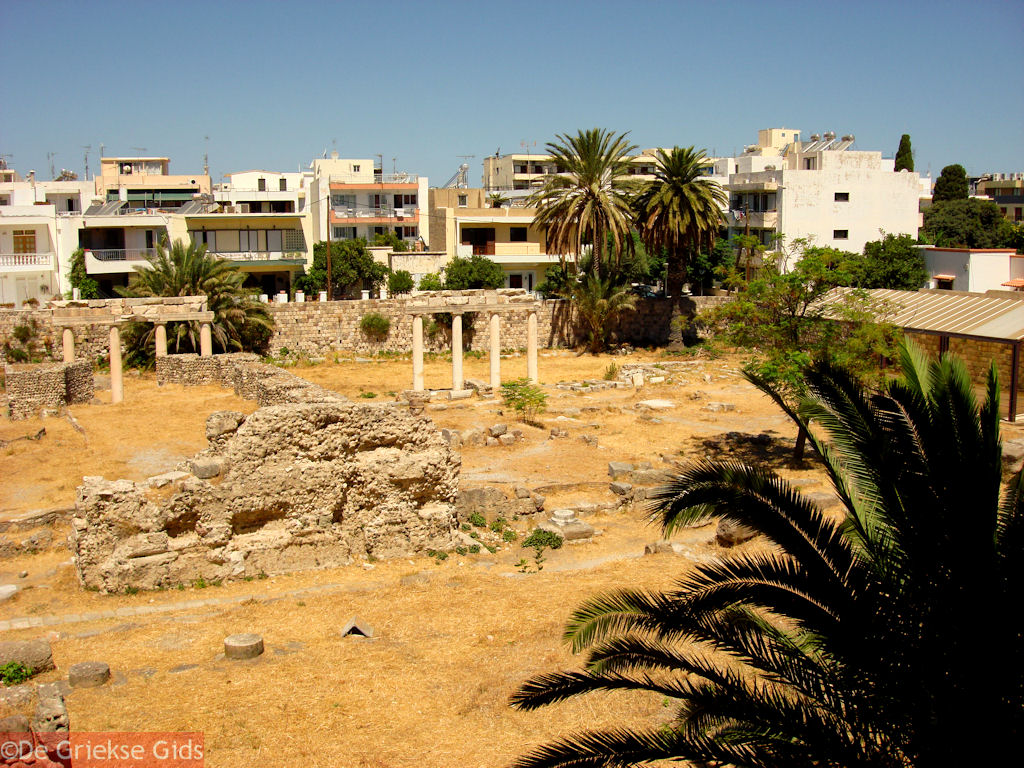
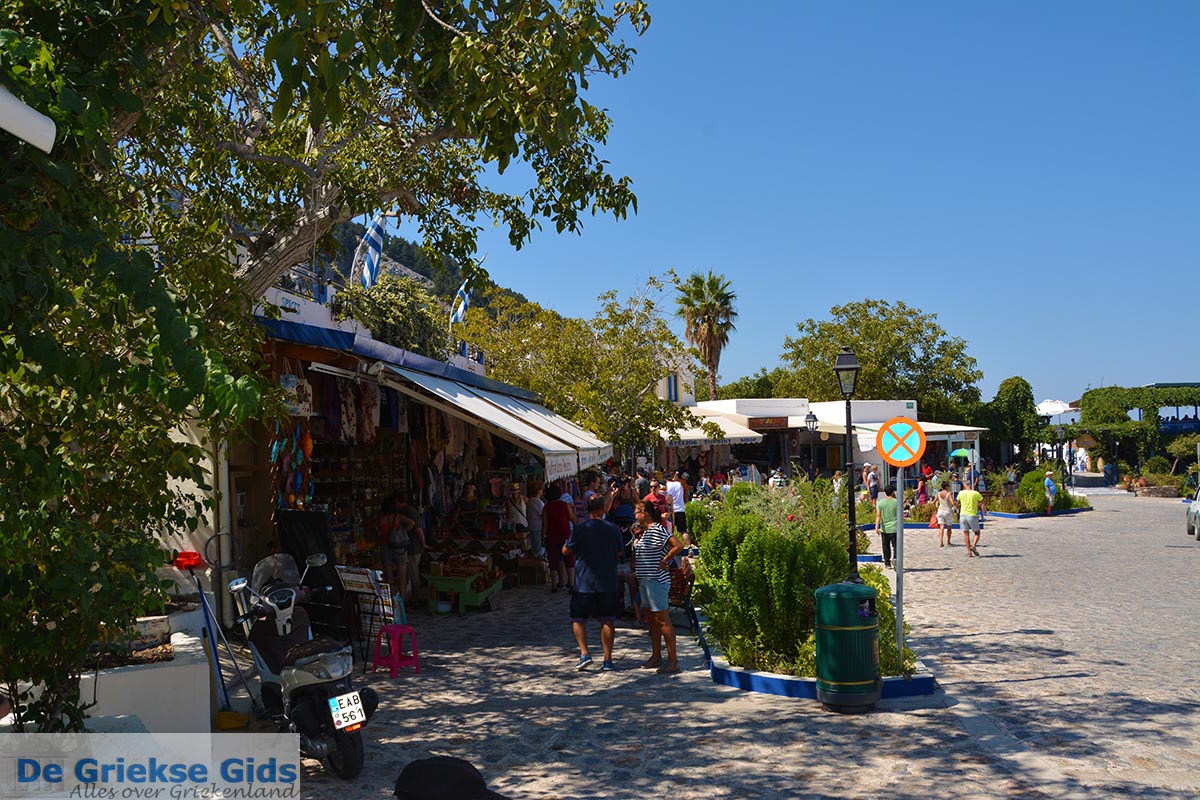
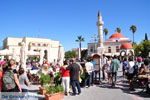 Kos town is a lively, vibrant town with good nightlife and lots of places of interest. Kos is lovely with cozy terraces and nice narrow streets and shops. The city is remarkably green with palm trees and flowers everywhere. Here the beautifully diverse cityscape is composed of architecture from antiquity, Byzantium, Roman times, the Middle Ages and the modern times.
More about Kos town »
Kardamena
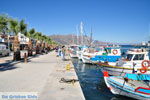 Kardamena is located on the southern coast of Kos, 30 kilometers (19 mi) from Kos town and 7 kilometers (4 mi) from the island's airport. It is a tourist resort with 1,300 permanent residents. Kardamena is popular especially among young people because of its vibrant nightlife. In and around the village of Kardamena are several good sandy beaches, as well as many taverns, restaurants, cafes, bars and nightclubs.
More about Kardamena »
Mastichari
 Eight kilometers (5 mi) southwest of Kos town you’ll find Mastichari, a tourist resort with excellent sandy beaches. Mastichari has always been a fishing village. Dozens of boats are found moored in the harbor. A statue of Poseidon, the Greek god is located in the village square. In that same village square you’ll find shops, cafes, restaurants and apartments. Almost all water sports are possible here and the beach activities are very well organized.
More about Mastichari »
Thermes - Therma
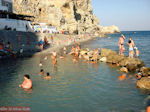 About 12 kilometers (7 mi) southeast of Kos town are the hot springs or thermes. In the sea, next to the pebble beach, you see rocks and large stones. The hot water runs out of the cave into the sea and stays between these rocks and boulders. The water is very warm, almost hot, and one can take a nice hot bath here. Therma is located just opposite of the volcanic island of Nisyros, thought to be the source of the heat.
More about the Therma »
Kefalos
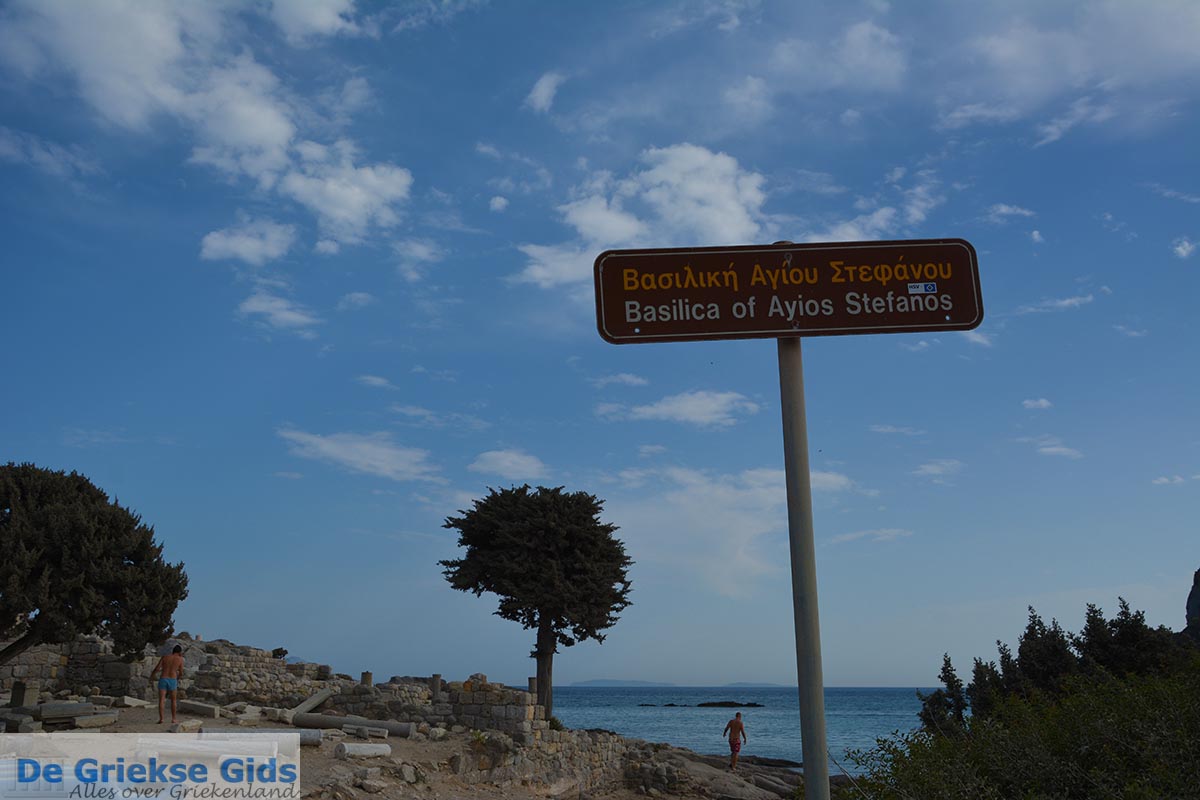
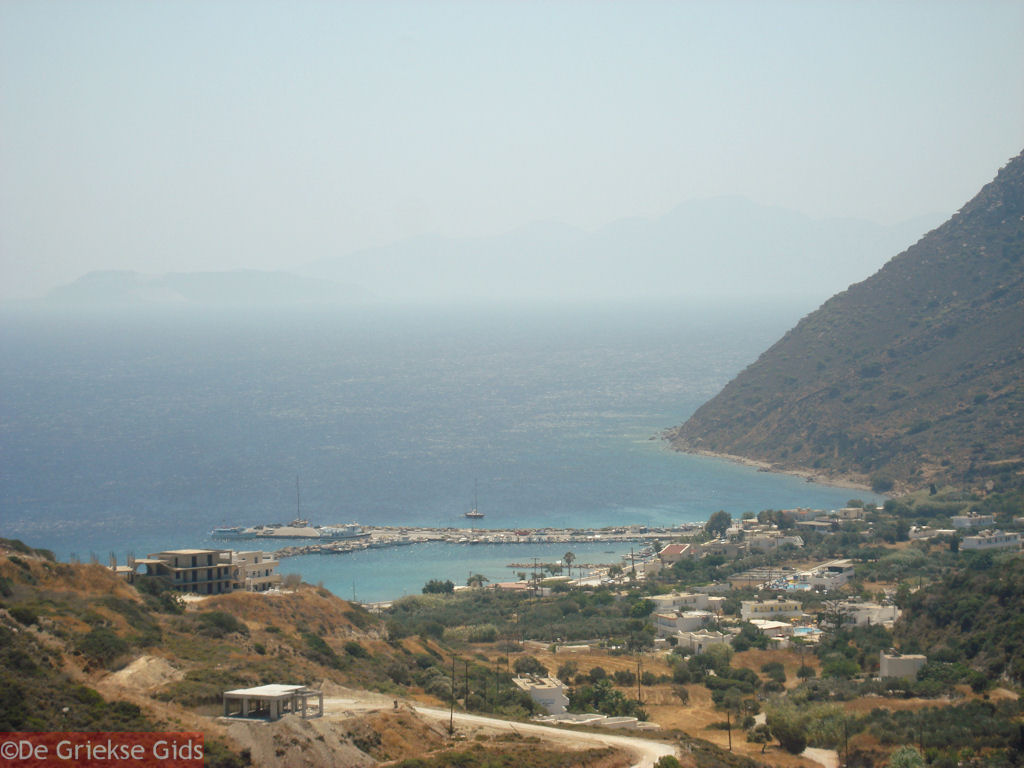
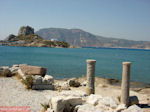 The largest village in the southeast of Kos is Kefalos. It is located on the top of a hill, overlooking the Kefalos bay. The Kefalos bay is one of the most popular bays for windsurfing enthusiasts. The most notable landmark in bay of Kefalos is the islet of Aghios Nikolaos which is also called Kastri. This small island lies right opposite of the beach of Aghios Stefanos, in the middle of the bay.
More about Kefalos »
Tigaki
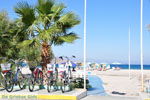 Tigaki lies about 11 kilometers (7 mi) from Kos town. Tigaki has one of the finest and most visited beaches on the island of Kos. It is a small town with many shops, restaurants, cafeterias and bars. Tigaki is mostly visited by day, for those who wish to enjoy its excellent sandy beach and big variety of water sports. Tigaki is an easy bus ride from Kos town.
More about Tigaki »
Zia
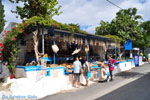 Zia is the most picturesque village on the island of Kos. Because of its location in the beautiful countryside, surrounded by pine forests, Zia is ideal for a day trip. The village is very colorful and there are a lot of cozy restaurants and taverns. There are also many souvenir shops and streets to explore. Last but not least, the view from here across the northern plains of Kos to the islands of Kalymnos and Pserimos is astonishing.
More about Zia »
Dikeos Mountain
 Dikeos is the highest mountain of Kos. Its highest peak is 846 meters (2,778 feet). Dikeos lies 15 kilometers (9 mi) south of Kos town. Zia, one of most picturesque villages of the island, is located on the northern slopes of Dikeos Mountain. Kos Natural Park is located here. The southern slopes of the mountain are steep and bare, while the gradual northern slopes are covered with forests. These northern slopes are also among the most stunning landscapes of the island.
More about Dikeos mountain »
Weather forecast Kos
Beaches on Kos
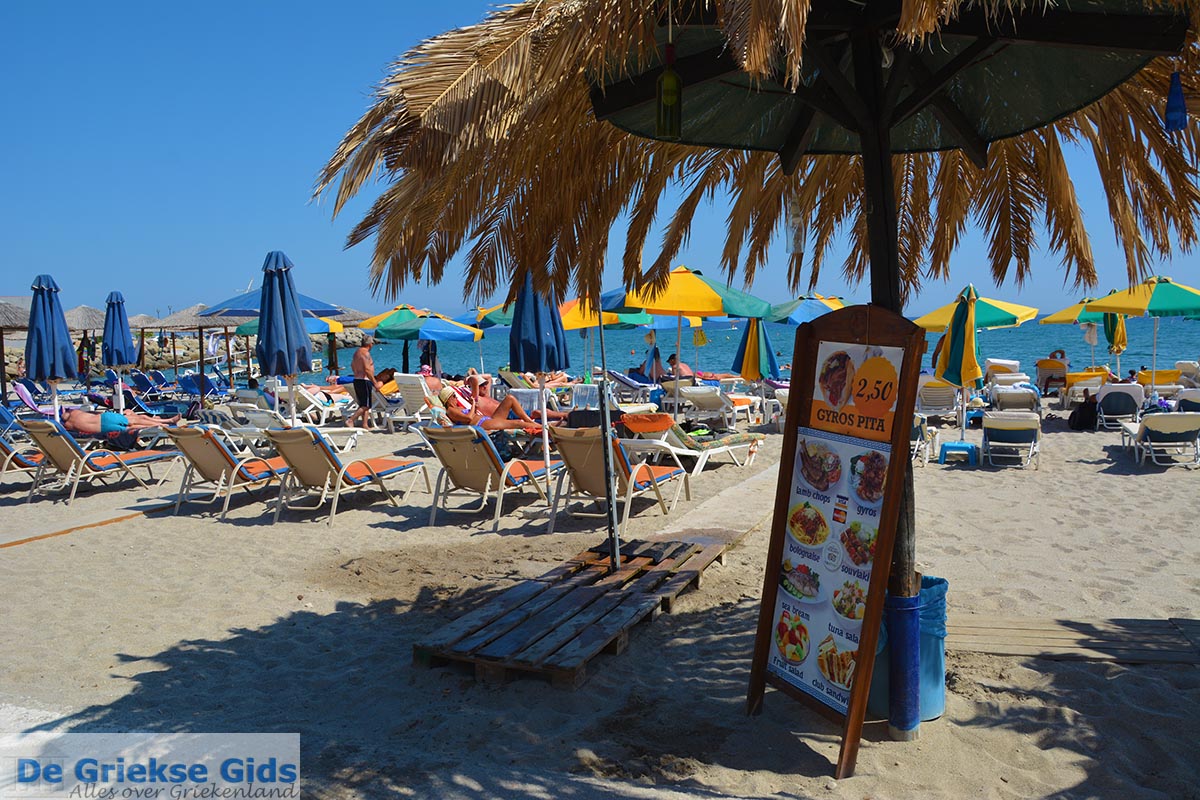
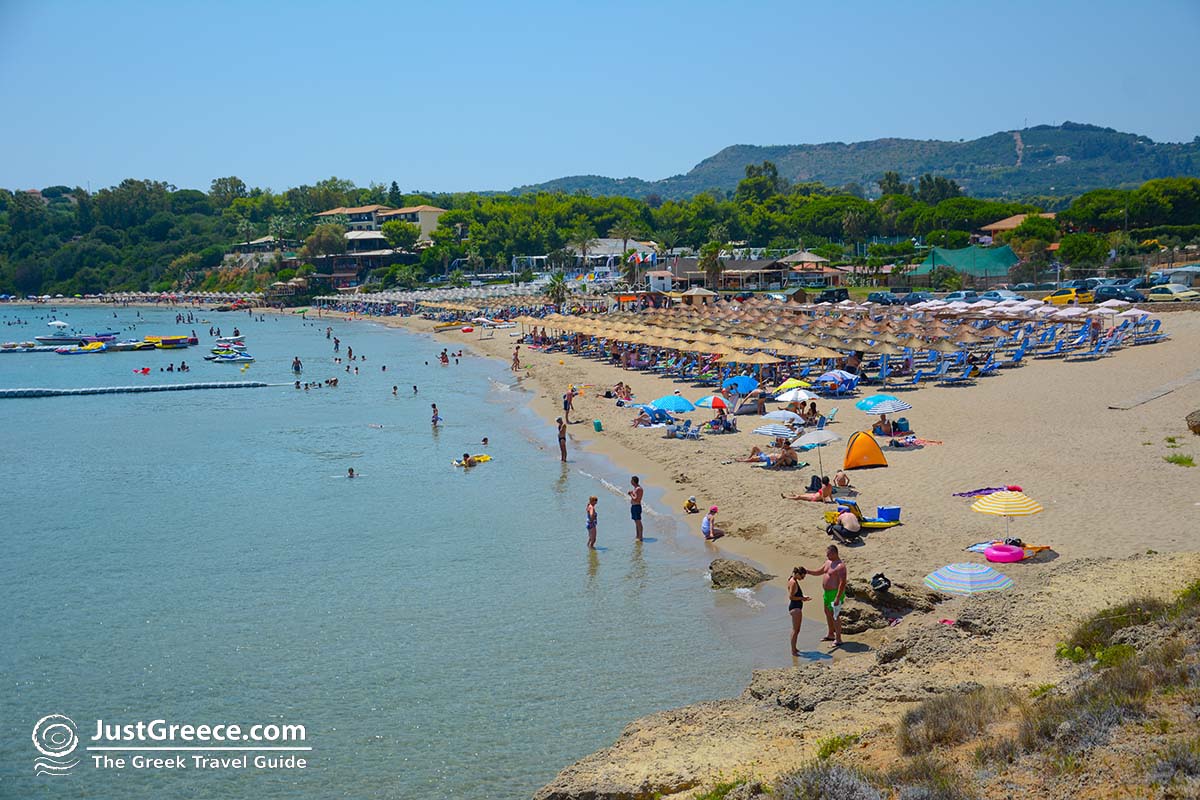
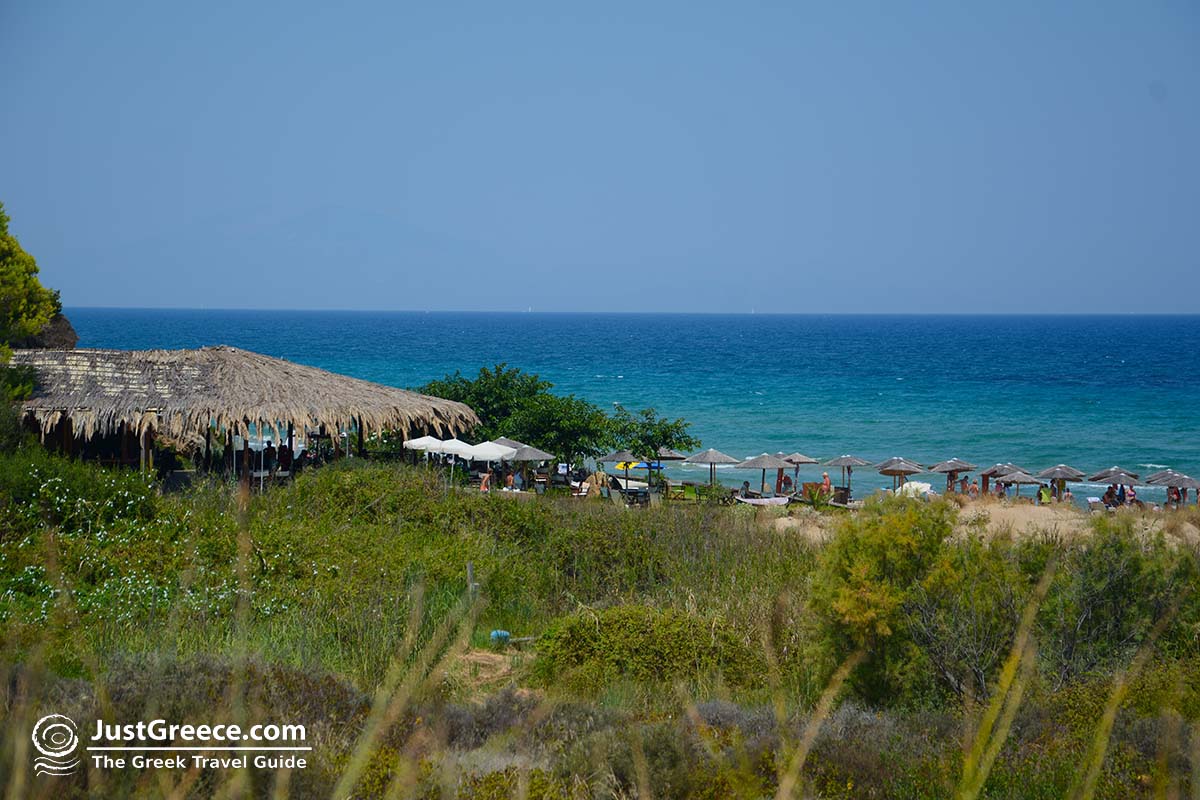
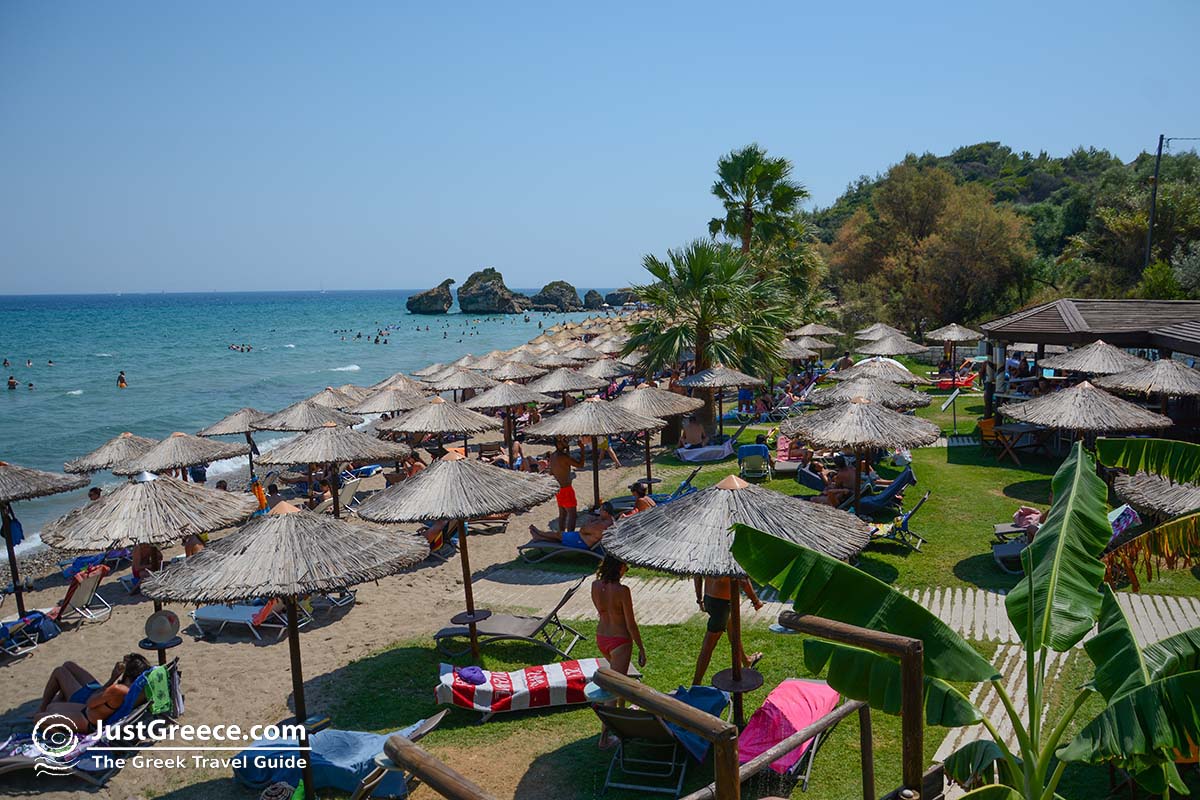
Kos has many excellent beaches, both sandy and pebble filled. The most beautiful beaches are on the north coast of the island. These are the beaches of Marmari, Tigaki, Mastichari and Lambi in Kos town. East of Kos, in Psalidi, are mostly pebble beaches. Therma is a unique beach where hot water flows into the sea. On the south coast of the island are some excellent beaches such as Kardamena, Paradise, Kamila, Kamari, Golden, the long beach of Kefalos and Aghios Stefanos. On the west coast of Kos you’ll find the sandy beach of Aghios Theologos.
Stay on Kos
Kos is a tourist-perfect island with many hotels and apartments. Accommodations run the range from cheap hotels, to expensive, to luxury hotels and all-inclusive hotels. Combined, the hotels of Kos have a capacity of 70,000 guests. Most tourists arrive on Kos by plane at the Hippocrates airport. Each year this airport gets more than one million passengers. In addition, thousands of tourists come through the port of Kos, some during cruise ship stops.
The Economy of Kos
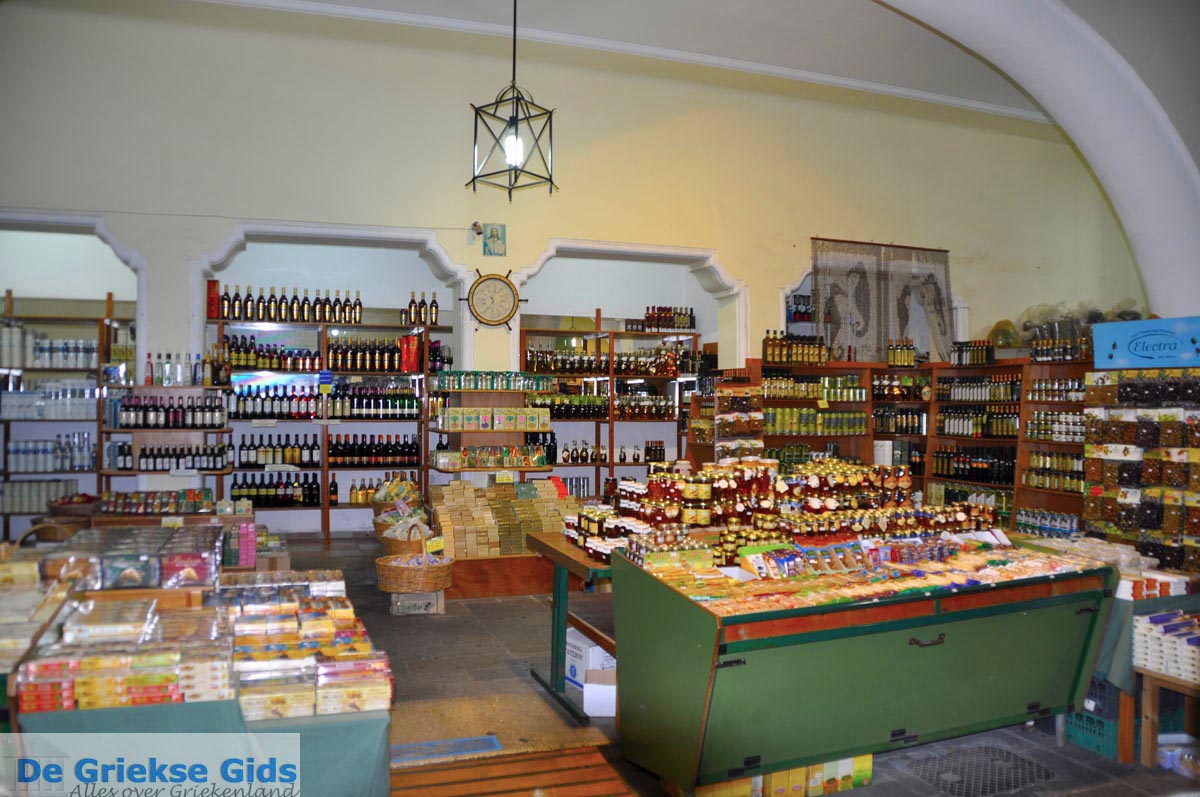
Kos has always had a rich environment. Until the seventies Kos was an agricultural island, the fertile soil was well known all the way back to antiquity. After the 1970s and the arrival of tourists, the economy of Kos transitioned to tourism. Since the economic crisis, however, many young people have returned to agricultural work again and agriculture became making it, again, an important asset in the economy of the island. Once again popular are wine, olive oil and honey production. There are three main wine producers on Kos, all near the center of the island. Wine tastings are popular with tourists.
Trips from Kos
Because of the fact Kos is centrally located in the Dodecanese, the island is convenient origination point for day trips to other islands and even to Turkey. From the port of Kos, daily day trips are offered to Kalymnos, Pserimos and Nisyros. There are even scheduled services that can take you to more distant islands such as Rhodes, Samos, Ikaria, Halki and Kastelorizo.
Festivities on Kos
The biggest festivals in Kos are the “Hippocratia” festivities lasting from July to September. During those months, everywhere on the island, but especially in Kos town, you’ll see colorful traditional dances, concerts, theater, exhibitions and other activities. Of course these festivities are in honor of Kos’ most famous native, Hippocrates. As a tribute, there are dramatic presentations of the Hippocratic oath taken by actors in the ancient Greek language.
Foto's Kos - Kos in beeld
Beaches on Kos
Kos has many excellent beaches, both sandy and pebble filled. The most beautiful beaches are on the north coast of the island. These are the beaches of Marmari, Tigaki, Mastichari and Lambi in Kos town. East of Kos, in Psalidi, are mostly pebble beaches. Therma is a unique beach where hot water flows into the sea. On the south coast of the island are some excellent beaches such as Kardamena, Paradise, Kamila, Kamari, Golden, the long beach of Kefalos and Aghios Stefanos. On the west coast of Kos you’ll find the sandy beach of Aghios Theologos.
Stay on Kos
Kos is a tourist-perfect island with many hotels and apartments. Accommodations run the range from cheap hotels, to expensive, to luxury hotels and all-inclusive hotels. Combined, the hotels of Kos have a capacity of 70,000 guests. Most tourists arrive on Kos by plane at the Hippocrates airport. Each year this airport gets more than one million passengers. In addition, thousands of tourists come through the port of Kos, some during cruise ship stops.
The Economy of Kos
Kos has always had a rich environment. Until the seventies Kos was an agricultural island, the fertile soil was well known all the way back to antiquity. After the 1970s and the arrival of tourists, the economy of Kos transitioned to tourism. Since the economic crisis, however, many young people have returned to agricultural work again and agriculture became making it, again, an important asset in the economy of the island. Once again popular are wine, olive oil and honey production. There are three main wine producers on Kos, all near the center of the island. Wine tastings are popular with tourists.
Trips from Kos
Because of the fact Kos is centrally located in the Dodecanese, the island is convenient origination point for day trips to other islands and even to Turkey. From the port of Kos, daily day trips are offered to Kalymnos, Pserimos and Nisyros. There are even scheduled services that can take you to more distant islands such as Rhodes, Samos, Ikaria, Halki and Kastelorizo.
Festivities on Kos
The biggest festivals in Kos are the “Hippocratia” festivities lasting from July to September. During those months, everywhere on the island, but especially in Kos town, you’ll see colorful traditional dances, concerts, theater, exhibitions and other activities. Of course these festivities are in honor of Kos’ most famous native, Hippocrates. As a tribute, there are dramatic presentations of the Hippocratic oath taken by actors in the ancient Greek language.
Text: Yorgos and Wendy Nikolidakis - Text edited by Katrina Butzer
Kos in other languages
 Kos (GriekseGids.nl)
 Kos (GriekseGids.be)
 Kos (GreeceGuide.co.uk)
 Kos (GriechenlandWeb.de)
Kos: Where on the map is Kos located?