|
Alexandroupolis
Accommodations
in Thrace
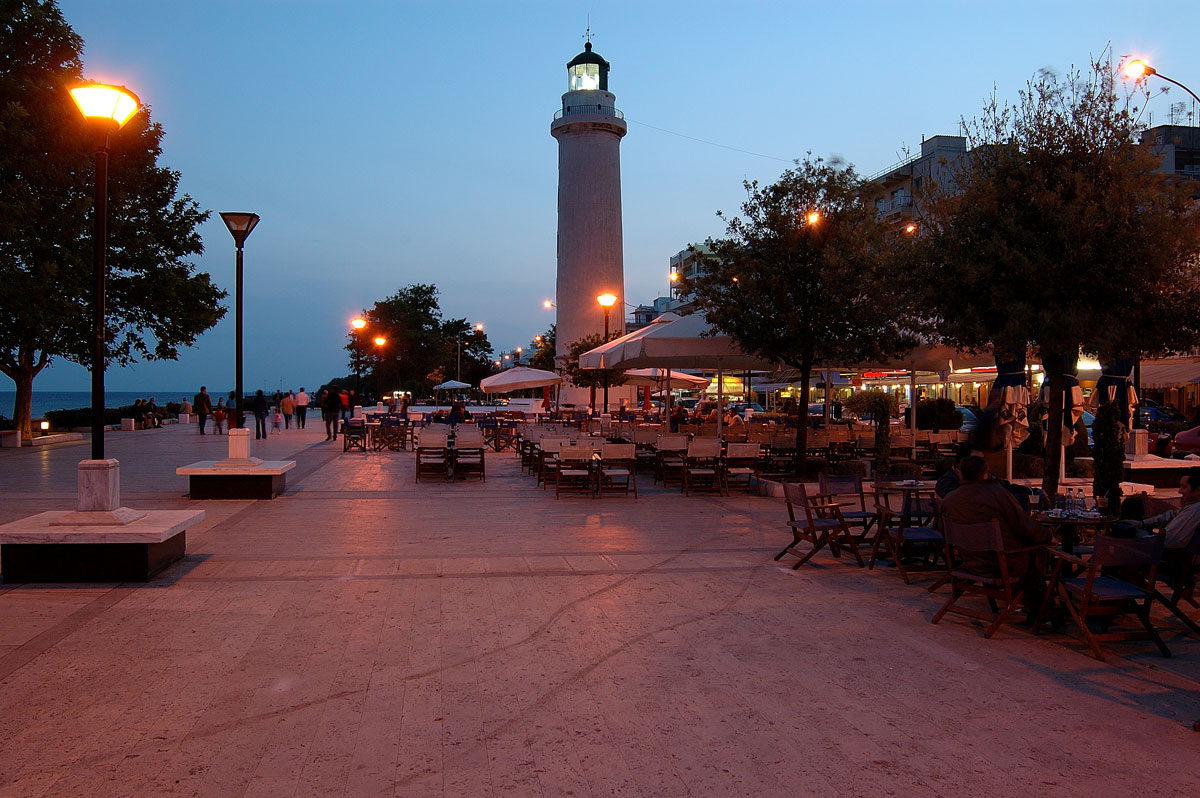
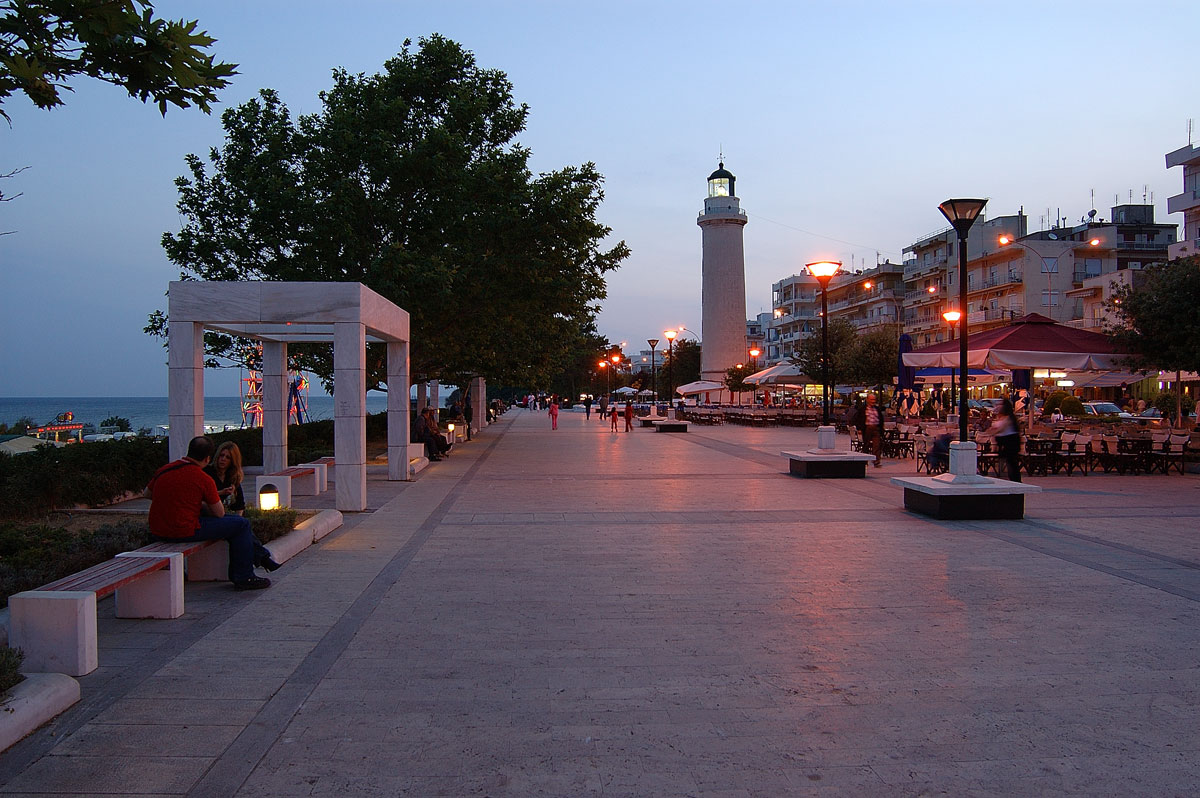
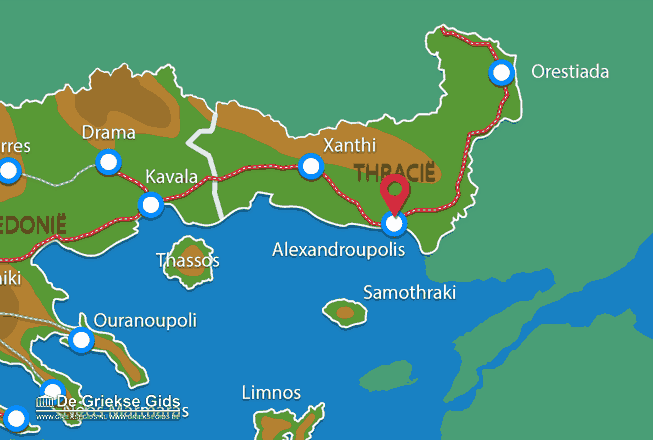
Alexandroupolis
is capital of the Prefecture of Evros and home to the Medical
School of the Democritus University
of Thrace and the Teachers and Kindergarten Pedagogic
Departments. Its first residents, in the mid 19th century,
were a few fishermen and the town began to grow when
the first railway line was laid in 1870 connecting Thessaloniki
with Constantinople. This provided the ability to export
products to the rest of the country. lust like the Prefecture
of Rhodopi, the Prefecture of Evros was incorporated
into Greece in May 1920. The visit of the then King Alexander
was the pretext on which the town was renamed as Alexandroupolis.
The town is new with a modem street plan and is a transport
hub with a port, an airport and a large railway station.
Sights in the town are the Ecclesiastical Museum with
its grounds, the Historical - Folk Museum, the Flora
and Fauna Museum of Evros and others. Tens of hotels
are available to visitors as well as the large camp site
on the tourist beach which extends for many kilometres.
During the summer months there are many events organized
in Egnatia Park at its open air theatre. Alexandroupoli
is the starting point for visits to the interior of the
prefecture and the island of Samothrace.
|

Photo: Kostas Natsidis |

Photo: Kostas Natsidis
|
Avantos
St. leads to the north of the town. At distances of same
6-10 km lie the medieval
castles of Potamos and Avanta where one can see walls dating
from the Mycenaean, Classical and Byzantine periods. In
the surrounding mountains worship sites of the ancient
Kikones
are to be found. In the narrow pass which the Thessaloniki
- Alexandroupoli railway line passes there are many caves. In One of these is the chapel of the Agii Theodori whose walls have been painted
with wan paintings in two layers dating from the 11th and 13th centuries. |
Photo: Kostas Natsidis
|
Photo: Kostas Natsidis
|

Photo:
Kostas Natsidis |
Photo:
Kostas Natsidis |
Nea Orestiada is the newest town in the Greek State.
It was founded in 1923 by refugees from Adrianoupolis
and Karayats and bas a modem street plan and a booming
economy. The history and tradition of its residents
are on show in the halls of the Folk and History Museum.
In general it is a pretty, developing town at the very
edge of Greece.
Source: Region of Eastern
Macedonia - Trace
Greek National Tourism Organisation |
|