Lesbos - North-Eastern Aegean Islands (Greece)
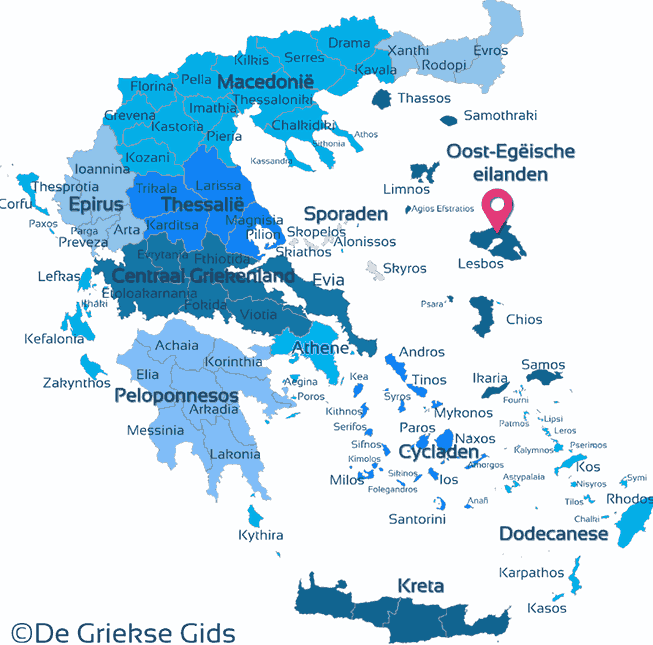
Lesbos (Lesvos). Lesbos is a very popular touristic island in the north-eastern Aegean sea, close to the Turkish coast. The capital of Lesbos is Mytilini, a colourful traditional town where old habits are well preserved. Lesbos is a popular holiday island with great charm. It is the third largest Greek island after Crete and Euboea, it covers an area of 1630 sq.km. Lesbos is located on the height of the Sporades, north of the island of Chios, three hundred kilometres from Piraeus (the port near Athens). The two large deep bays give the island its exceptional shape. The length of the island is 70 km, width 45 km and the length of the coastline is 320 kilometres.
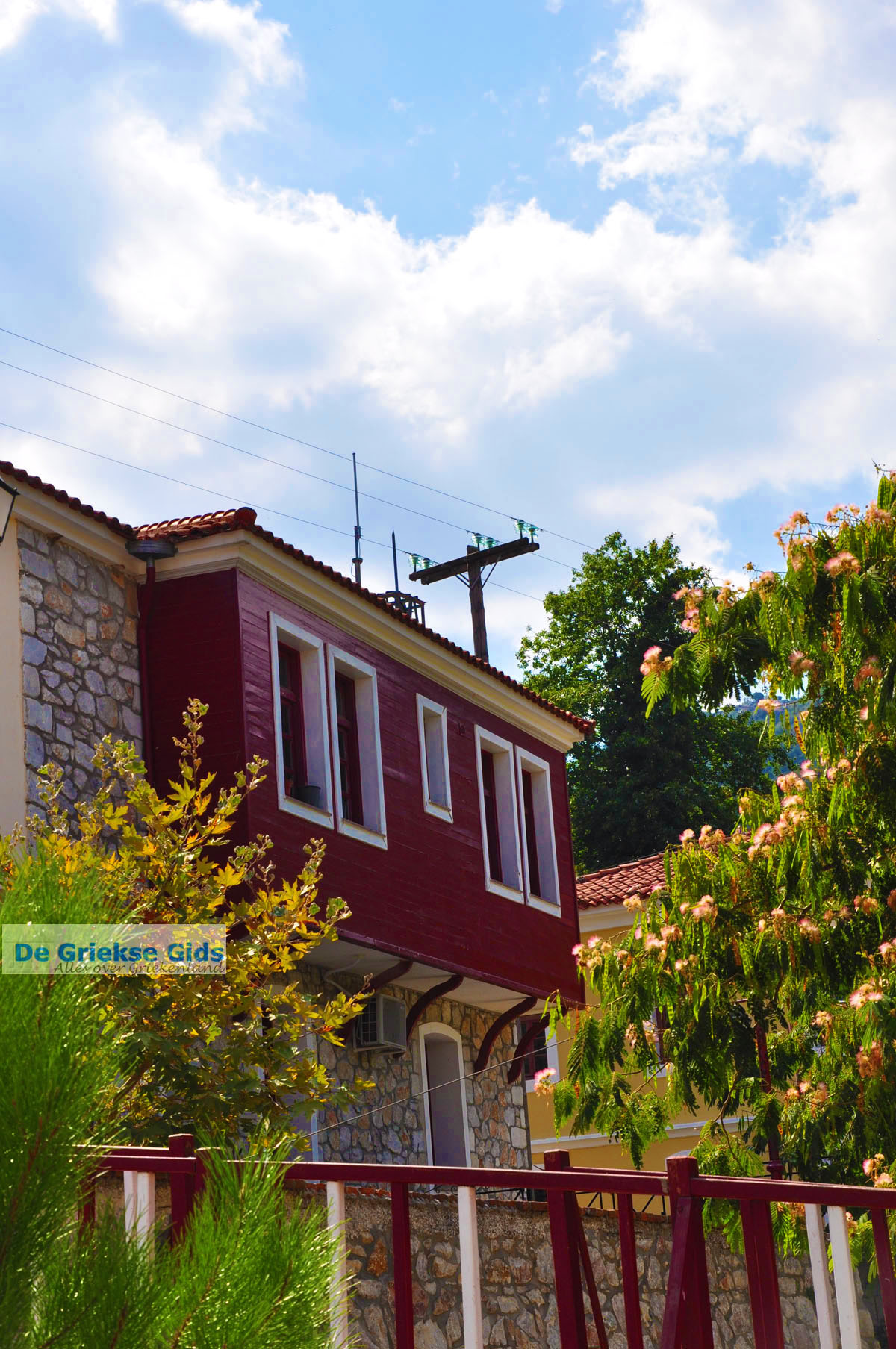
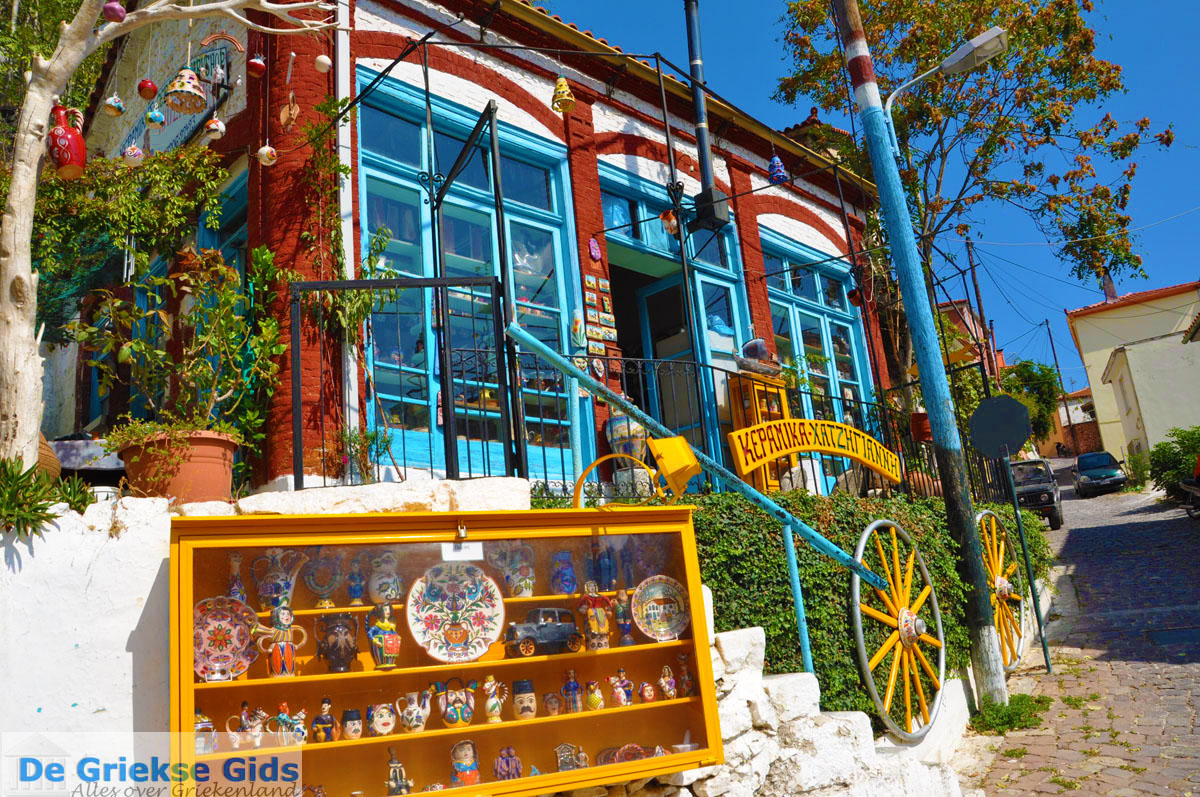
Lesbos is very interesting because it has much to offer, even for the most demanding tourists: a rich history, traditional houses and buildings, quaint villages, interesting monuments, magnificent churches and monasteries, valuable museums and very good hotels and apartments.
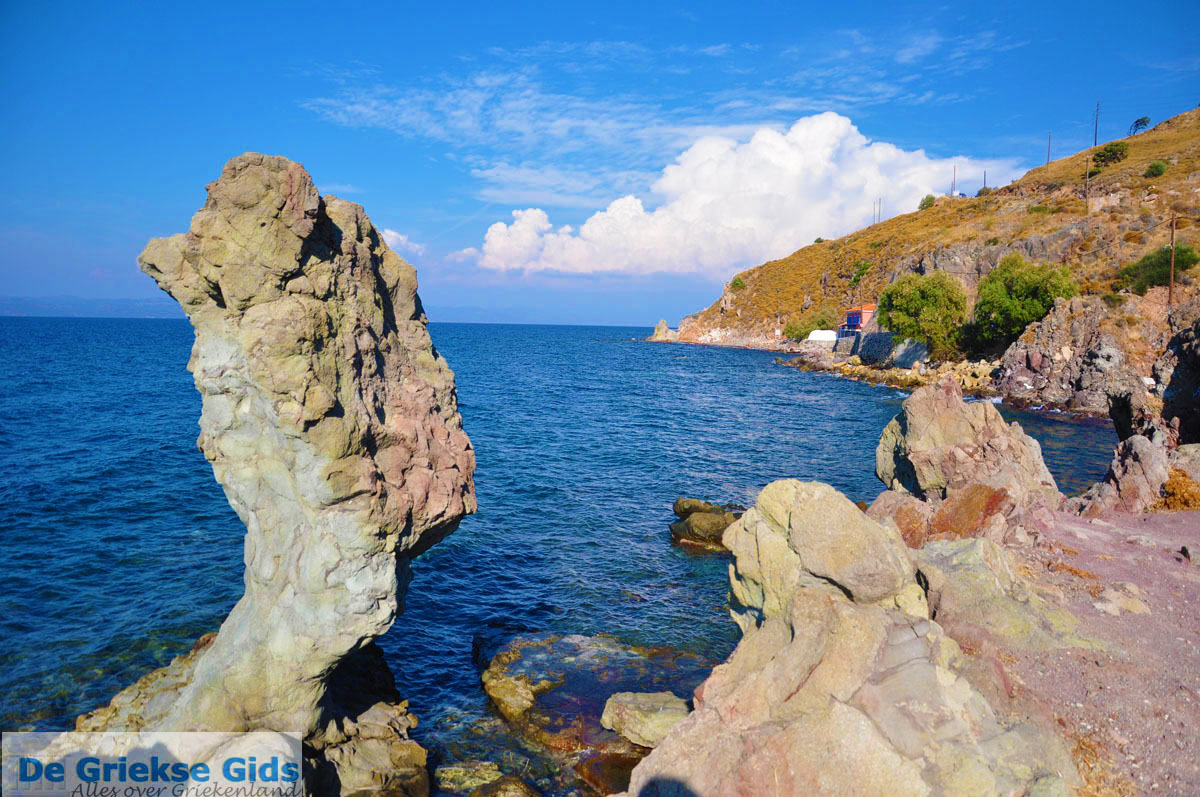
The nature and landscape on Lesbos are truly very beautiful and very varied: green landscapes, barren mountain landscapes, pine forests, oak forests, mountains and hills scattered with green plains and valleys, amazing bays, forests with plane trees, olive groves, hot springs, protected natural areas and habitats.
Photo Gallery Lesbos - Photos of North-Eastern Aegean Islands
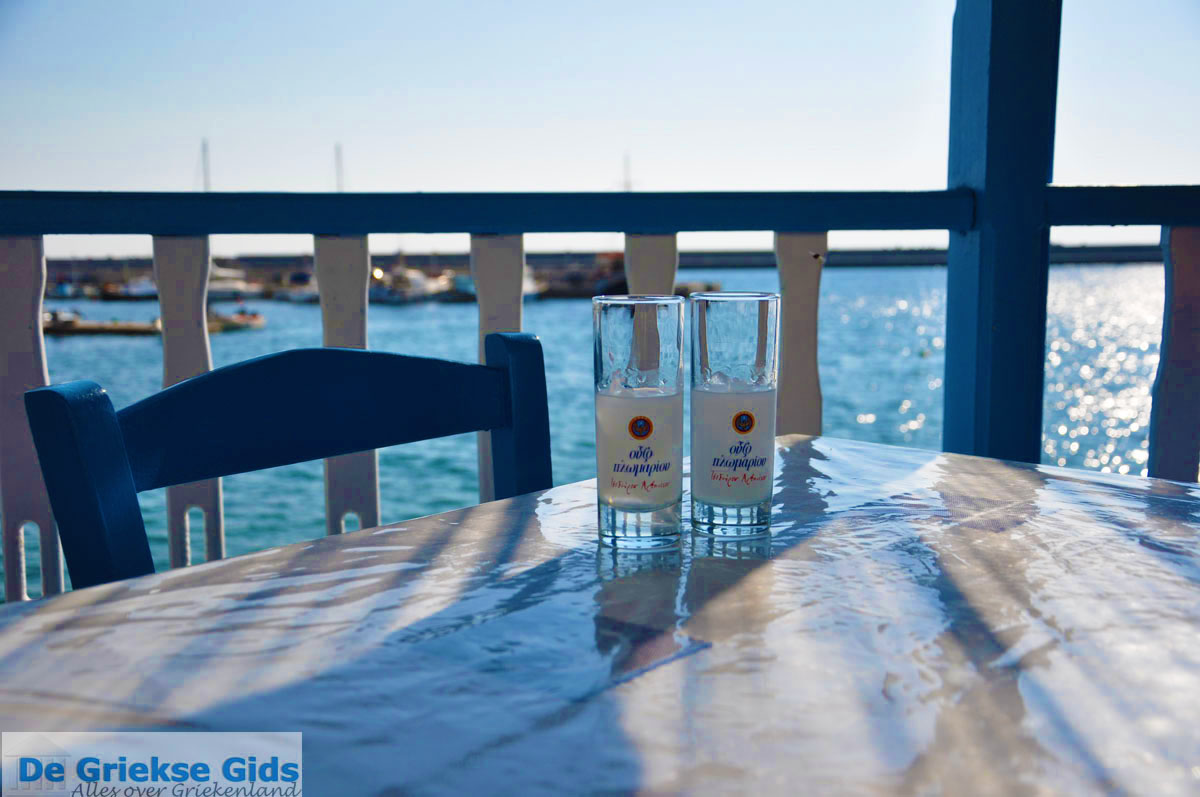
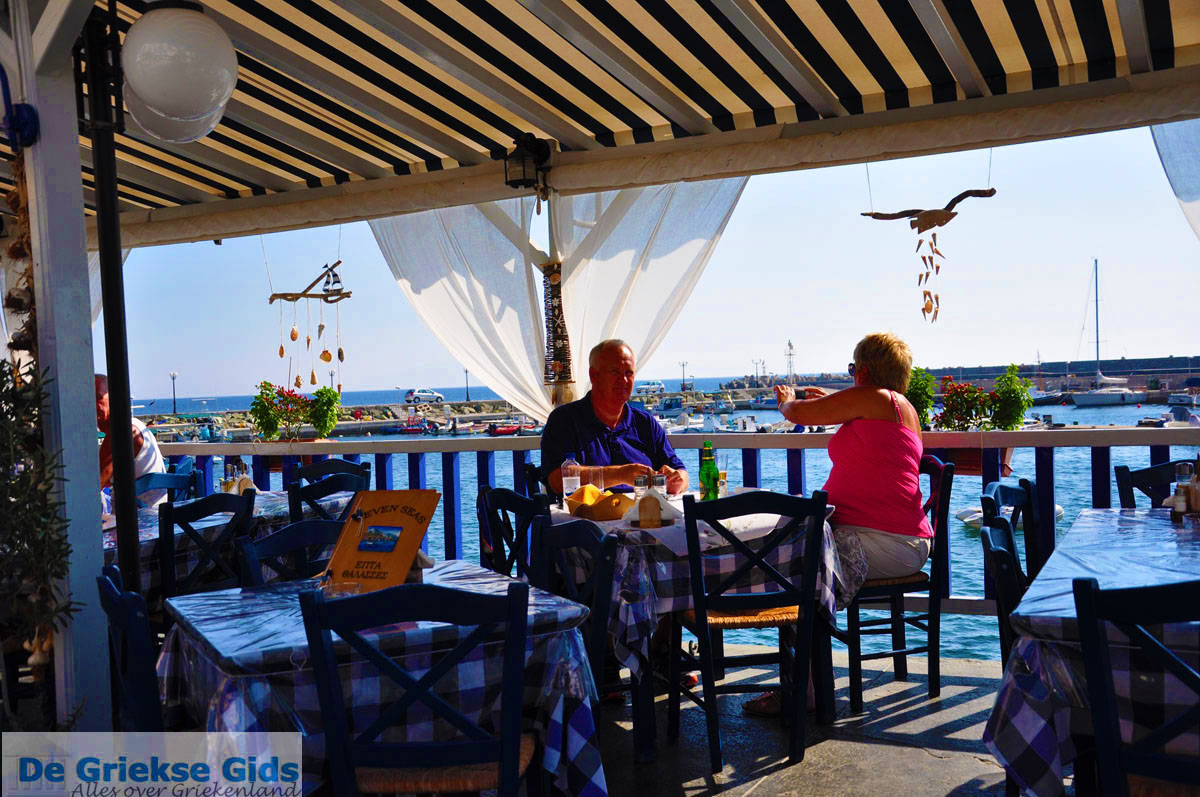
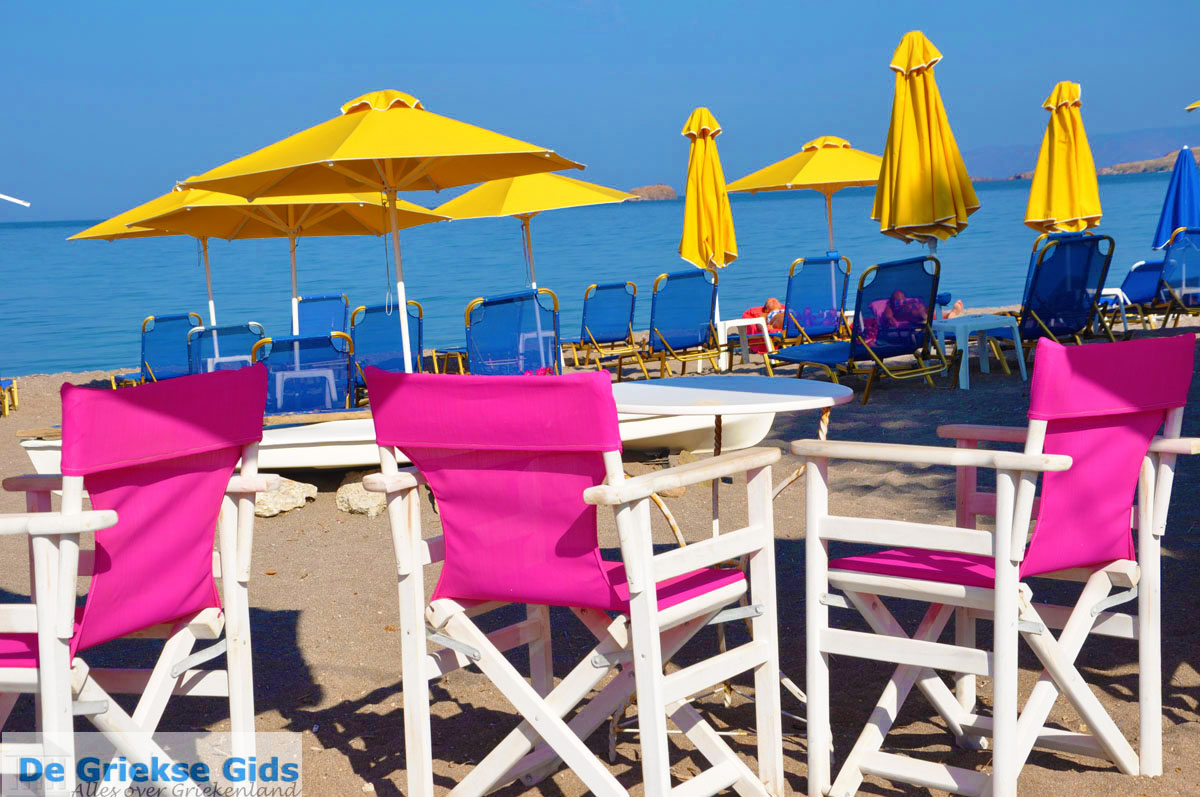
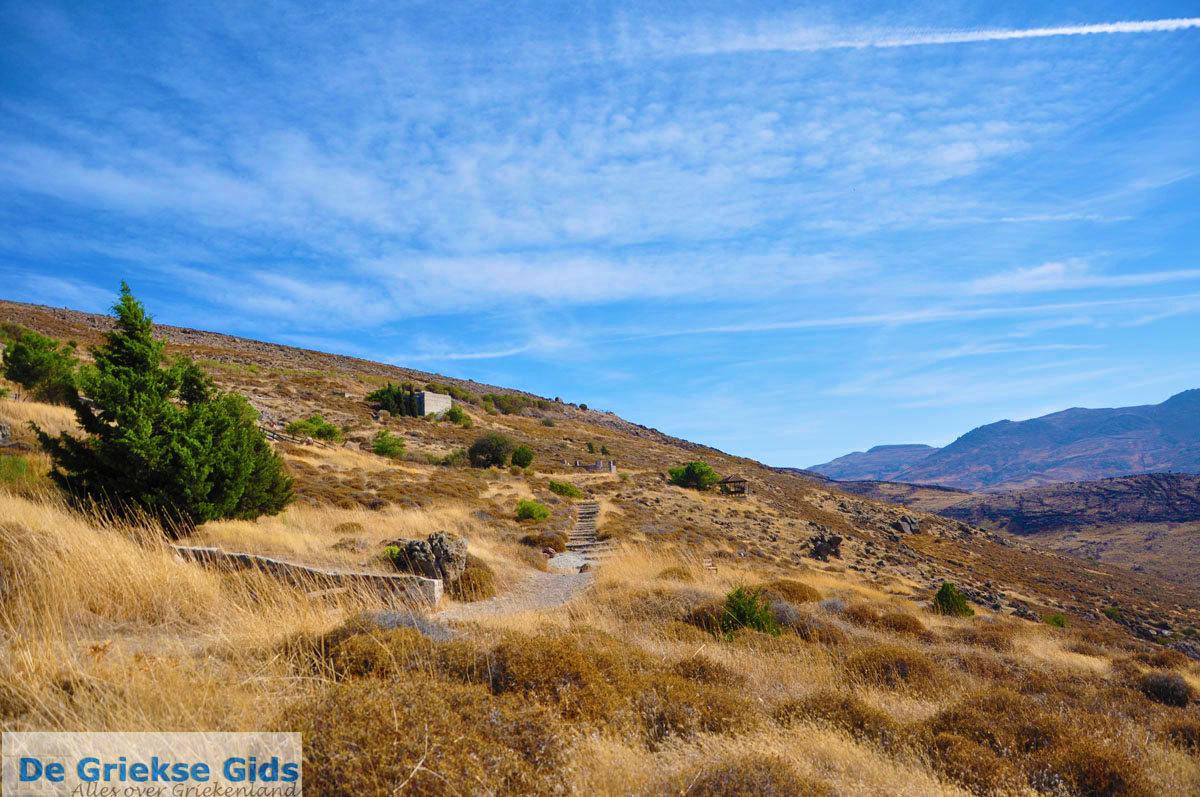
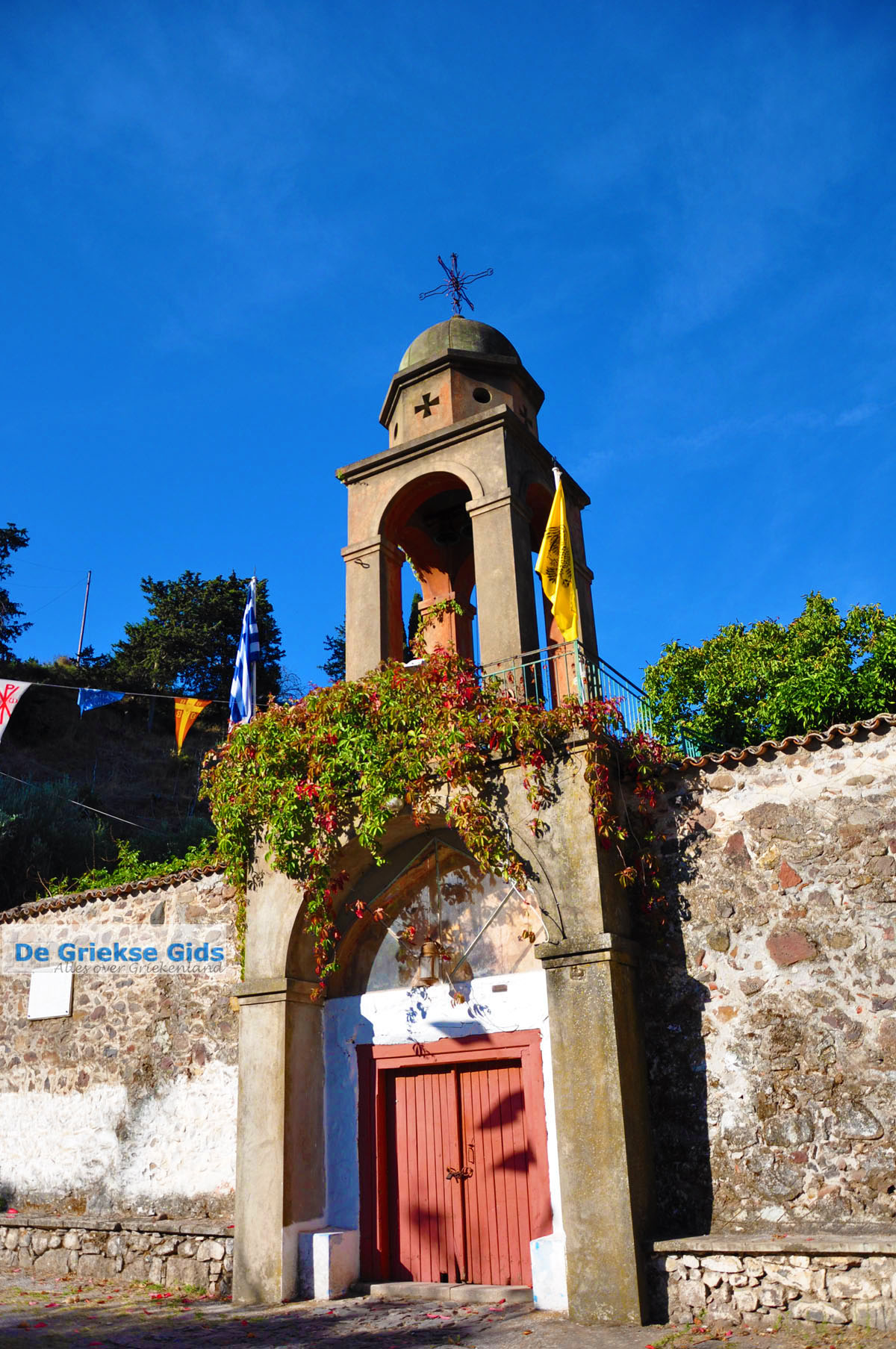
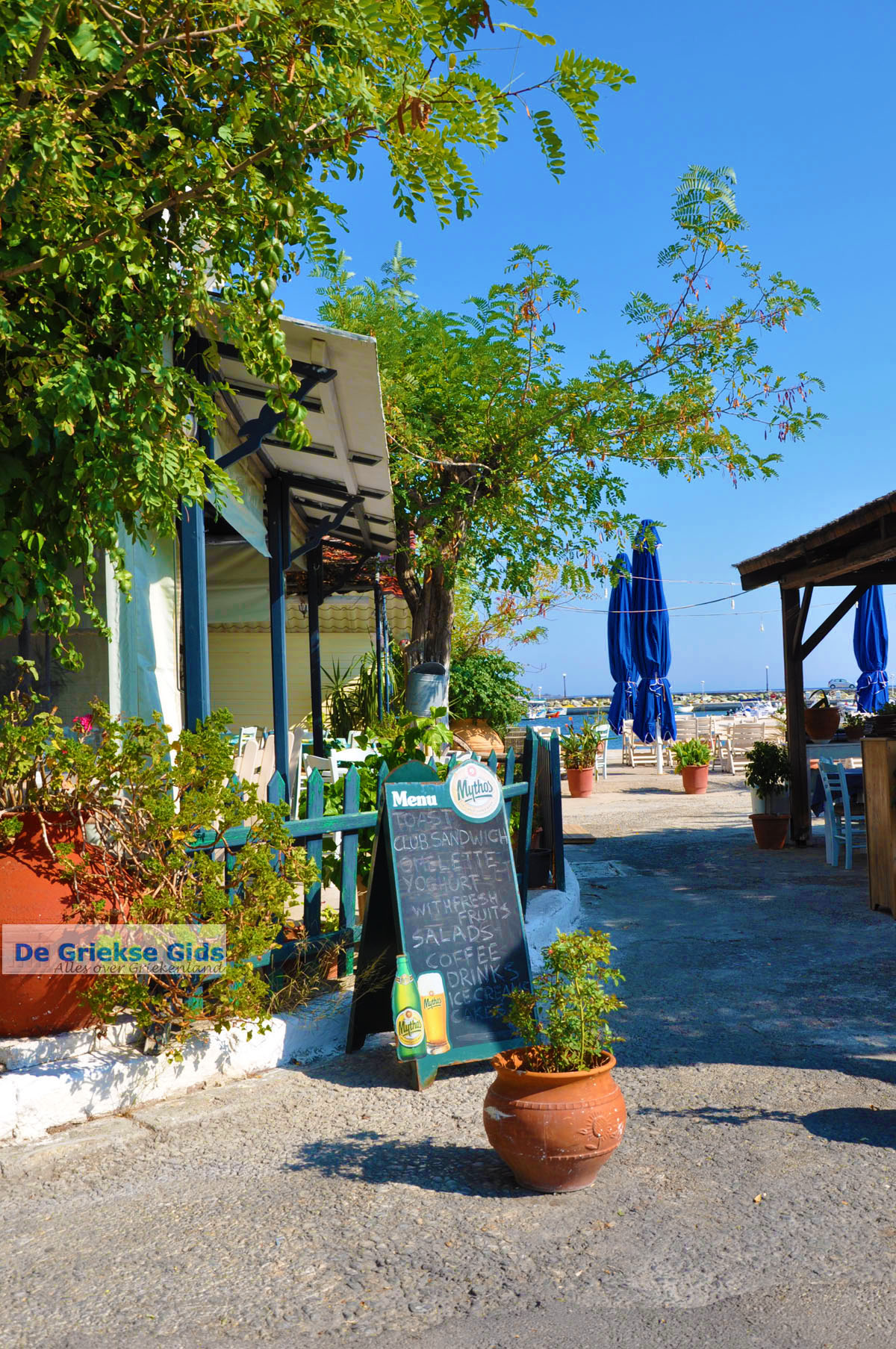
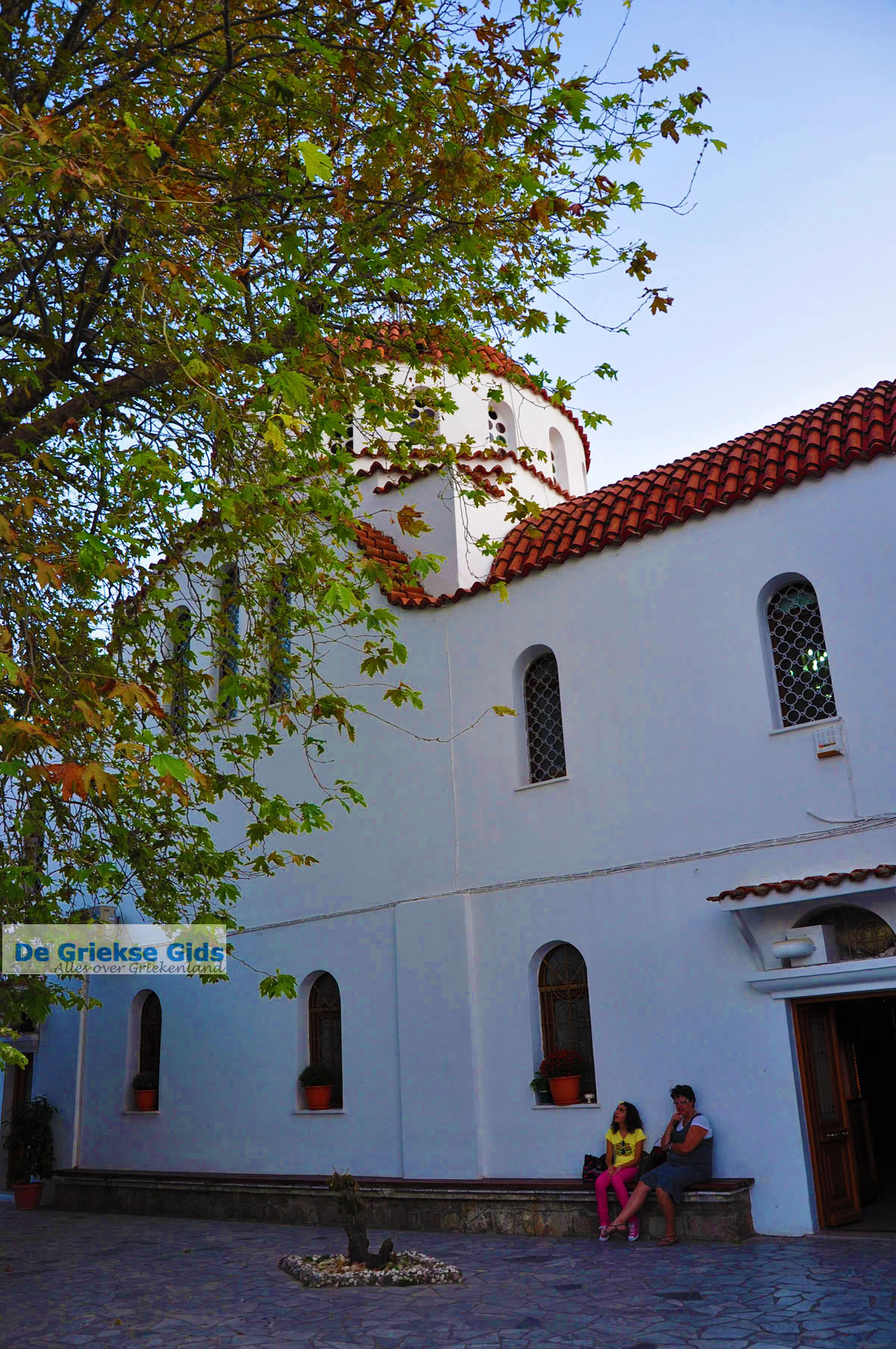
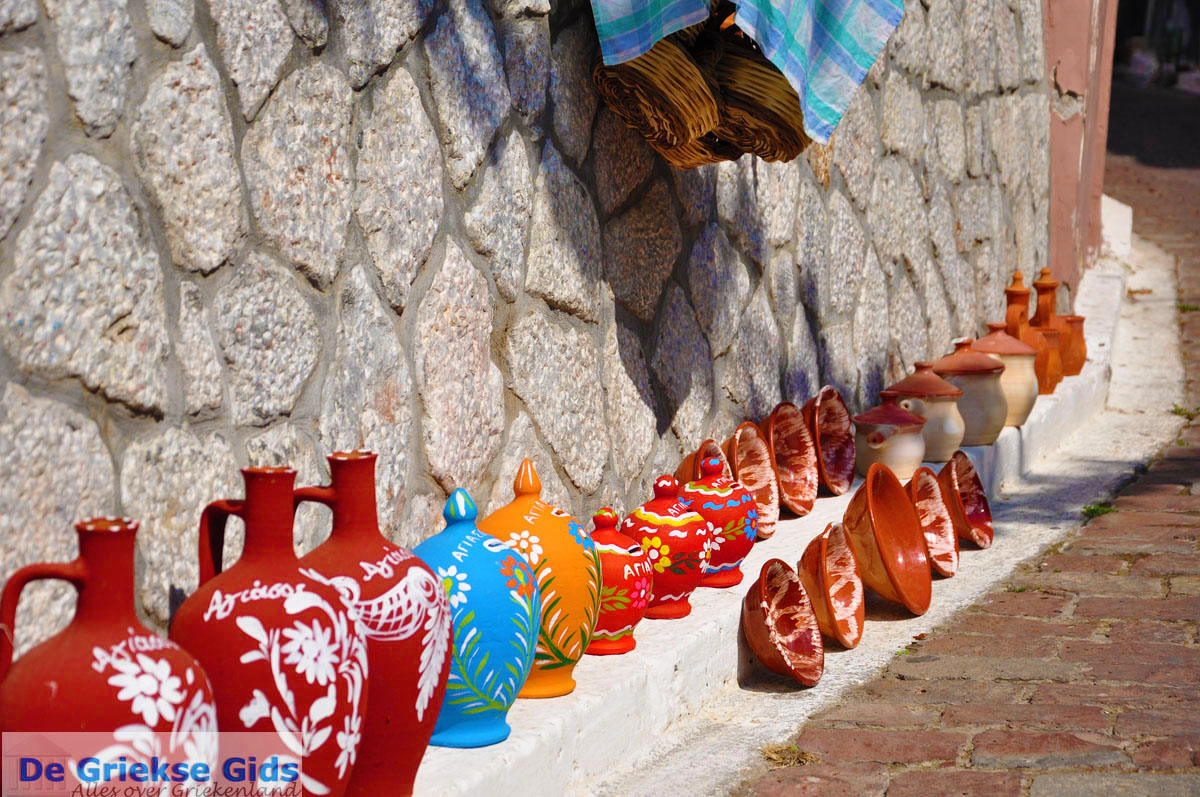
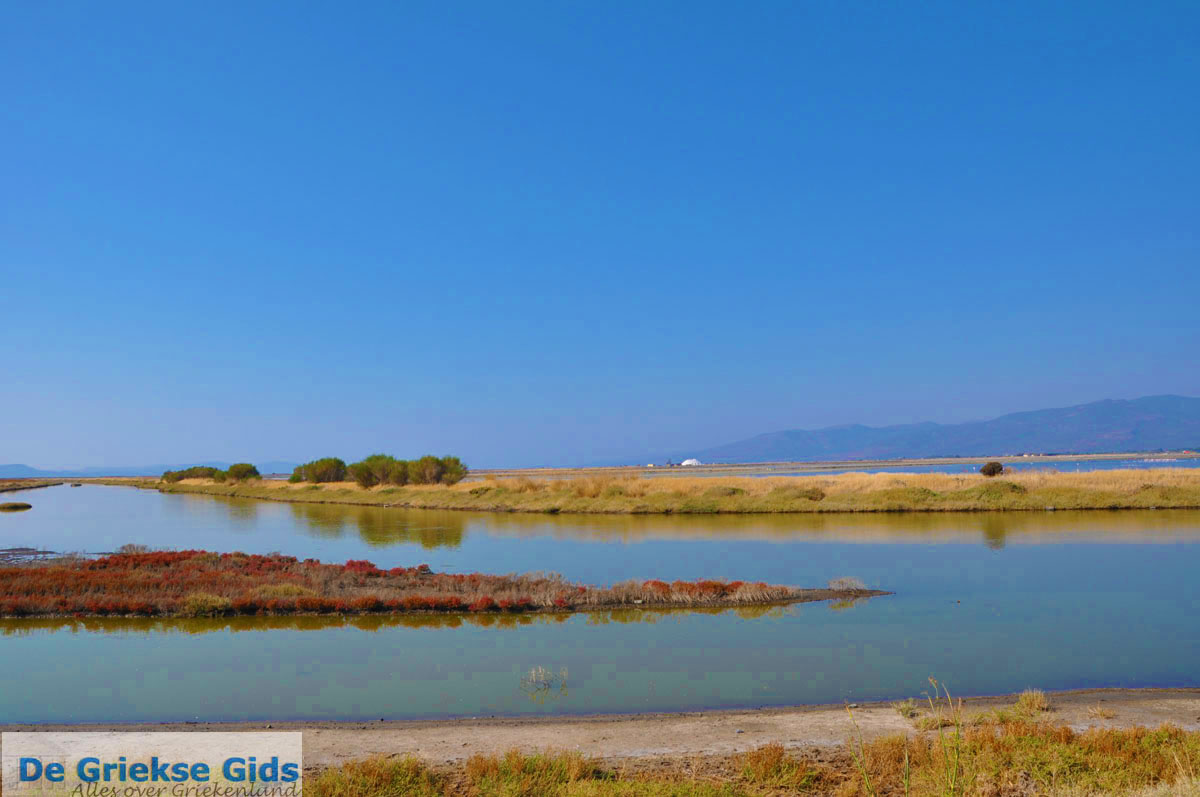


Things to do on island Lesbos?
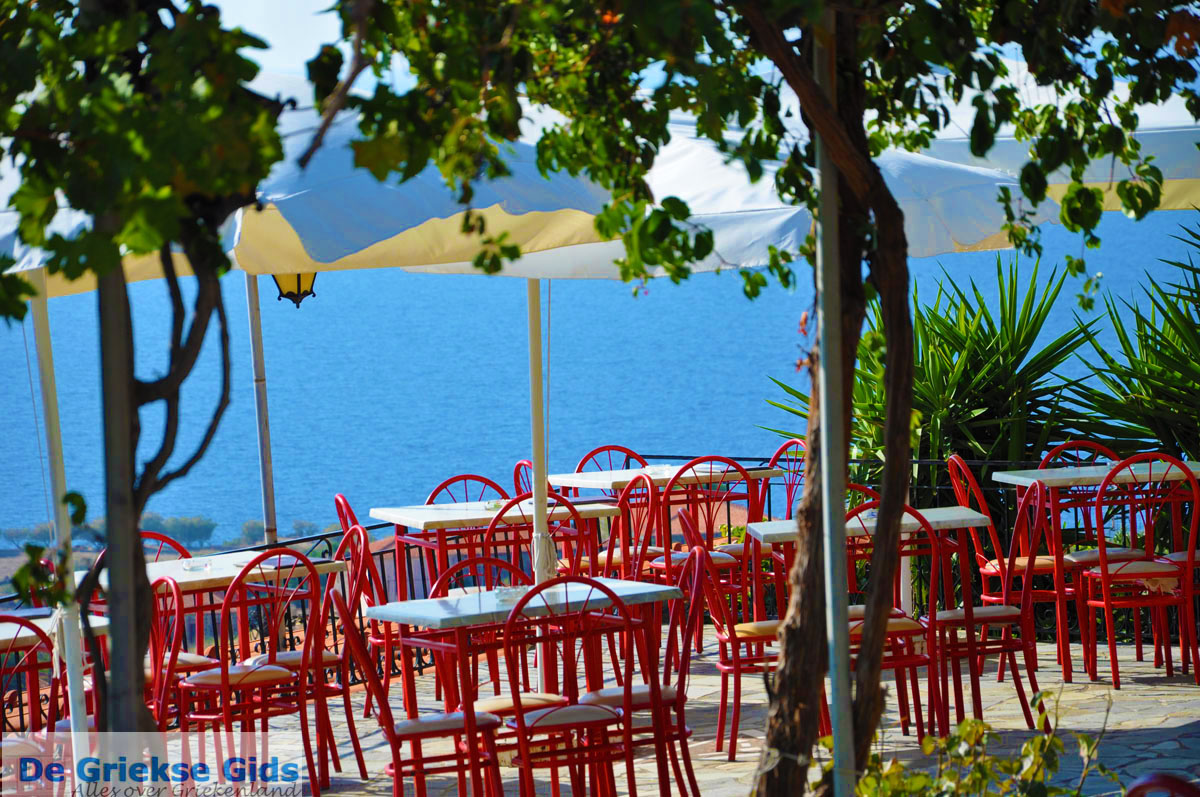
However, the most important attraction of Lesbos is located in Sigri; a fossil forest, fifteen million years old, a result of a volcanic eruption. Hikers will love Lesbos, as there are several hiking trails over the island. Lesbos is rich in beautiful pebble and sand beaches, some are quiet, others are busy. Also, boaters will like it here, almost everything is possible here, from sailing to paragliding, surfing and snorkelling. There are many charming towns and villages with the recognisable typical Greek tavernas and cafes. The nightlife is vibrant in some places. As for staying here, Lesbos offers a wide choice of hotels in all price ranges.
Accessibility Lesbos
The Lesvos Airport is located south of Mytilini. From the port of Mytilene, there are daily connections to other Greek islands (including Chios, Samos, Limnos) and also with the Greek mainland. (including in Athens and Thessaloniki)
Weather forecast Lesbos
Sights, tips and other information Lesbos
Agiassos. Situated at the foot of Mount Olympos on Lesbos. It consists of cobblestone streets ... More about Agiassos »
Molyvos is a picturesque village with a colorful fishing port and picturesque narrow streets ... More about Molyvos ...
Sigri lies in the far west of Lesbos. It has a picturesque harbor and are more ... More about Sigri ...
Anaxos, lies on the north coast of Lesbos. It is a small and quiet town, with very nice tavernas ... more about Anaxos »
Petra takes its name from the volcanic rock located in the middle of the village. Petra is a cozy ... More about Petra ...
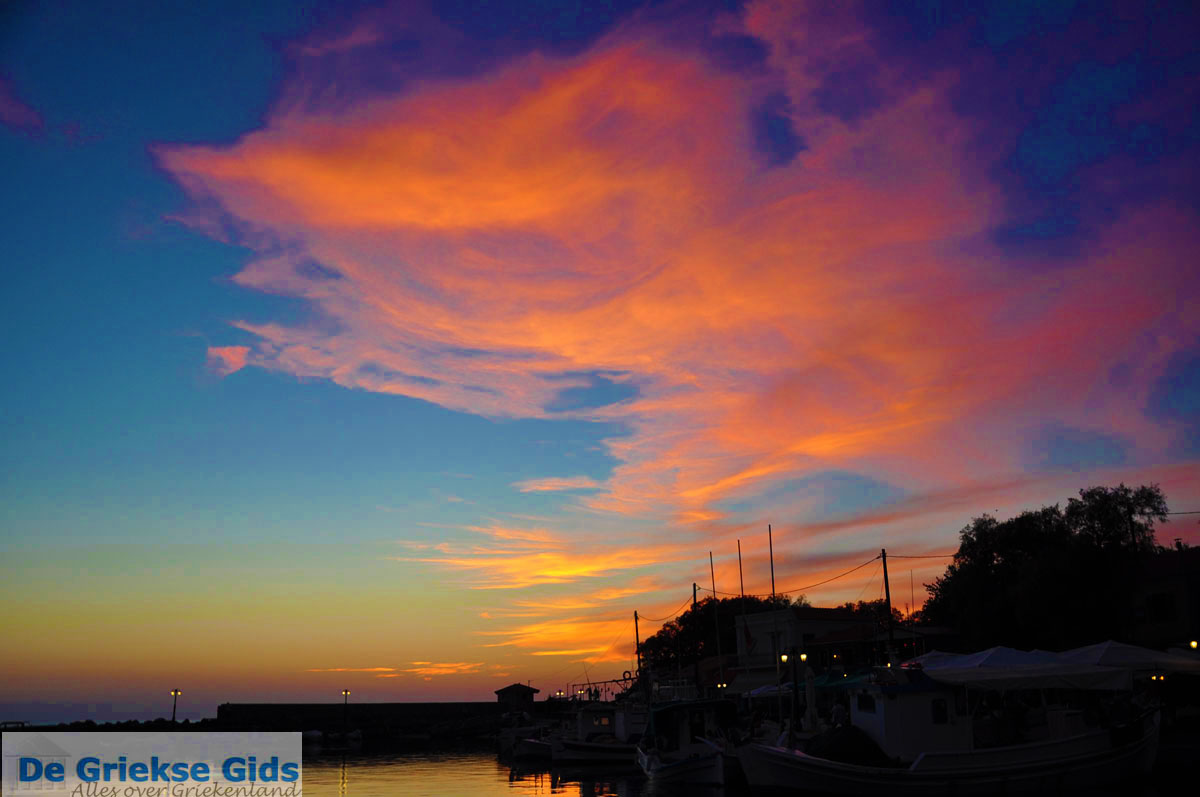
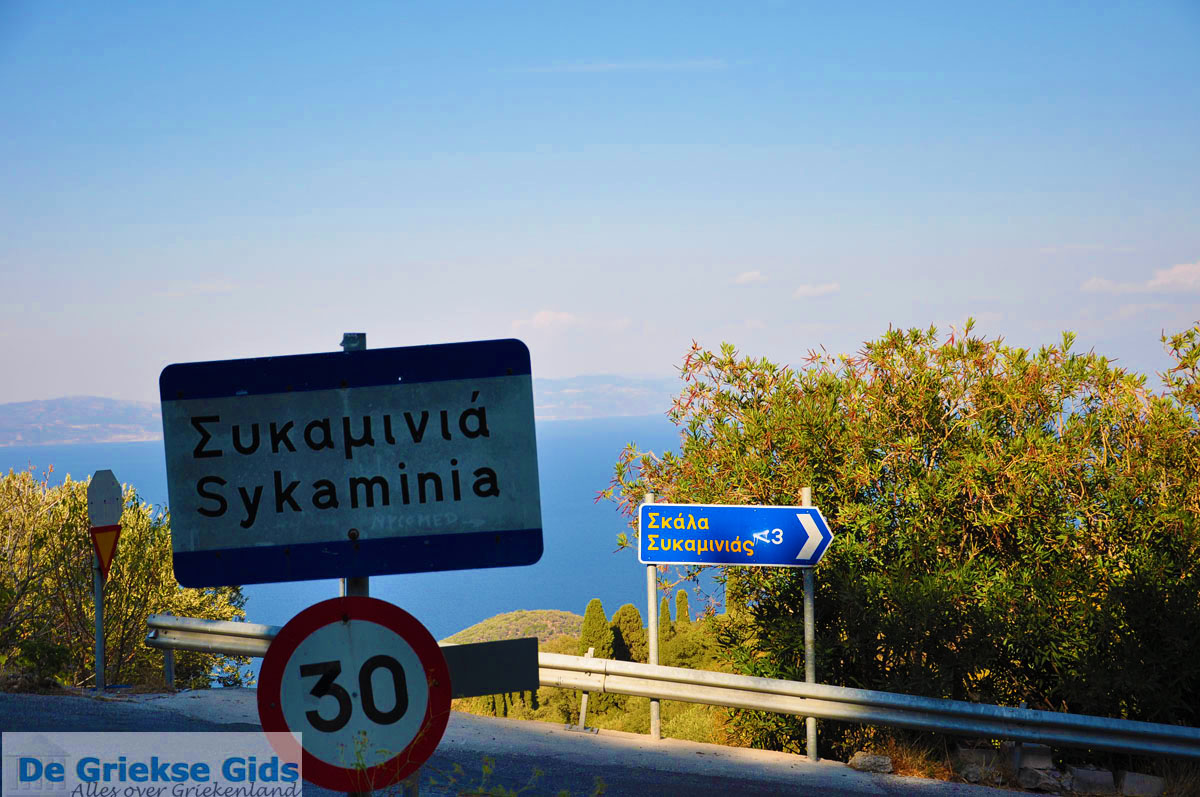
Skala Sikaminia is a characteristic fishing village with a colorful harbour where many cozy ... More about Sikaminia ...
Eftalou is a small seaside town in the north of Lesbos. There are small bays that are surrounded by .. More about Eftalou ...
Plomari is a cozy village in the south of the island most famous for its eponymous Ouzo .... More about Plomari ...
Skala Kallonis is a quiet and authentic Greek fishing village, small but cozy and with friendly people. More about Skala Kallonis ...
Text: Yorgos and Wendy Nikolidakis - Text edited by Maxine van Hoften
Lesbos in other languages
 Lesbos (GriekseGids.nl)
 Lesbos (GriekseGids.be)
 Lesbos (GreeceGuide.co.uk)
 Lesbos (GriechenlandWeb.de)
Lesbos: Where on the map is Lesbos located?
Lesbos
Holidays in Greece