Naxos - Cyclades (Greece)
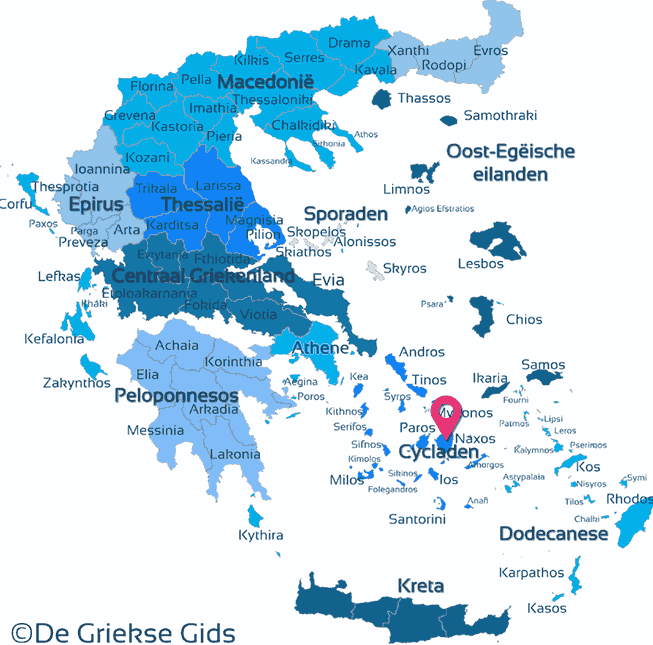
Naxos. The island of Naxos covers an area of 428 square kilometers (165 mi2). and is the largest island of the Cyclades. Naxos is the most fertile island of Cyclades. It has 20,000 inhabitants and is located almost in the middle of the Cyclades in the Aegean Sea. The coastline of the island is 148 kilometers (92 mi) long.
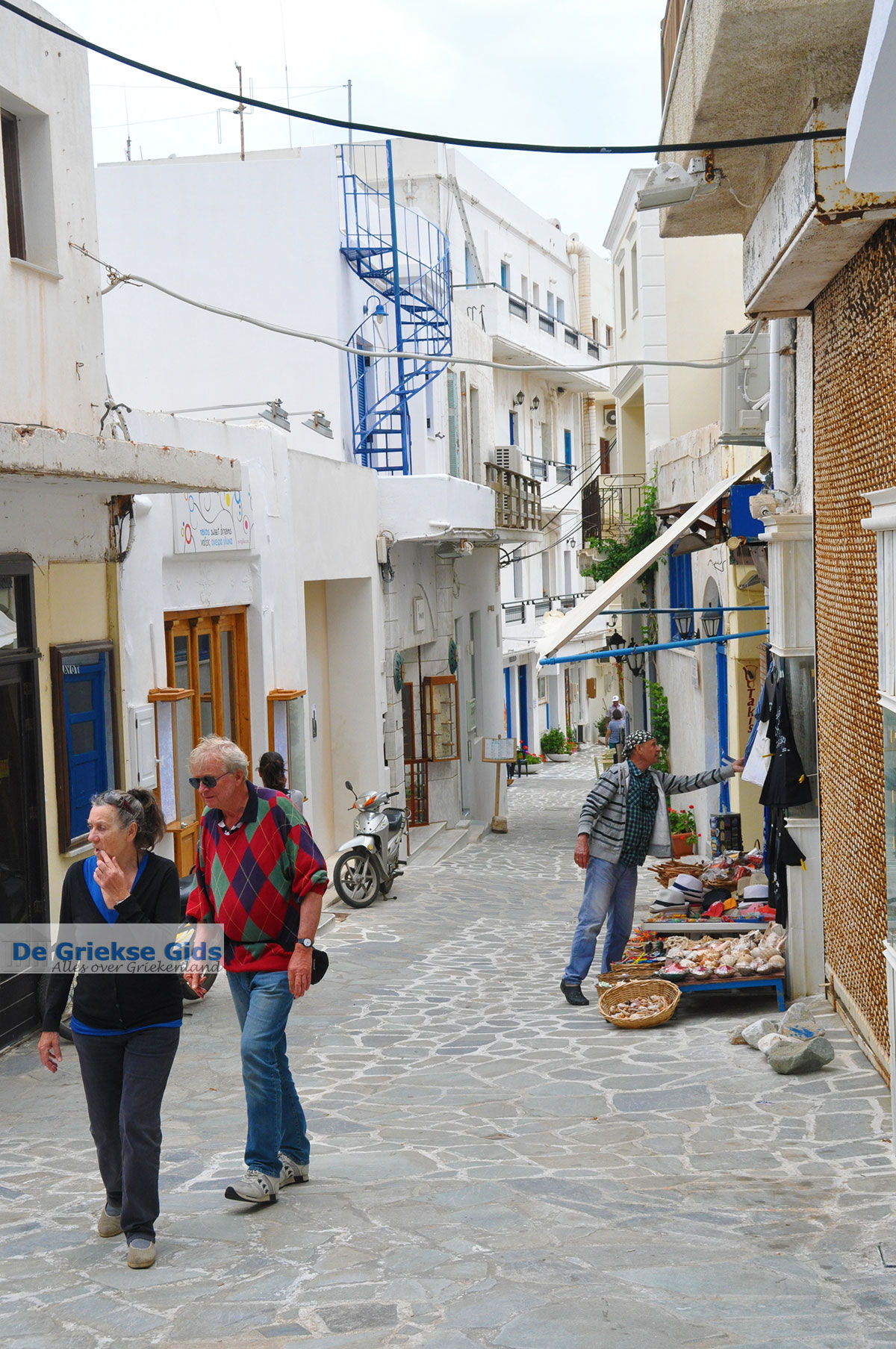
Naxos was a part of Greek history and culture in early times, and in the Cycladic era it blossomed. Naxos town (or Chora) is, without a doubt, one of the most beautiful Cycladic towns. From the harbor to the top of the village at the Venetian castle, the visitor will remain impressed by the narrow, steep streets and old stone houses.
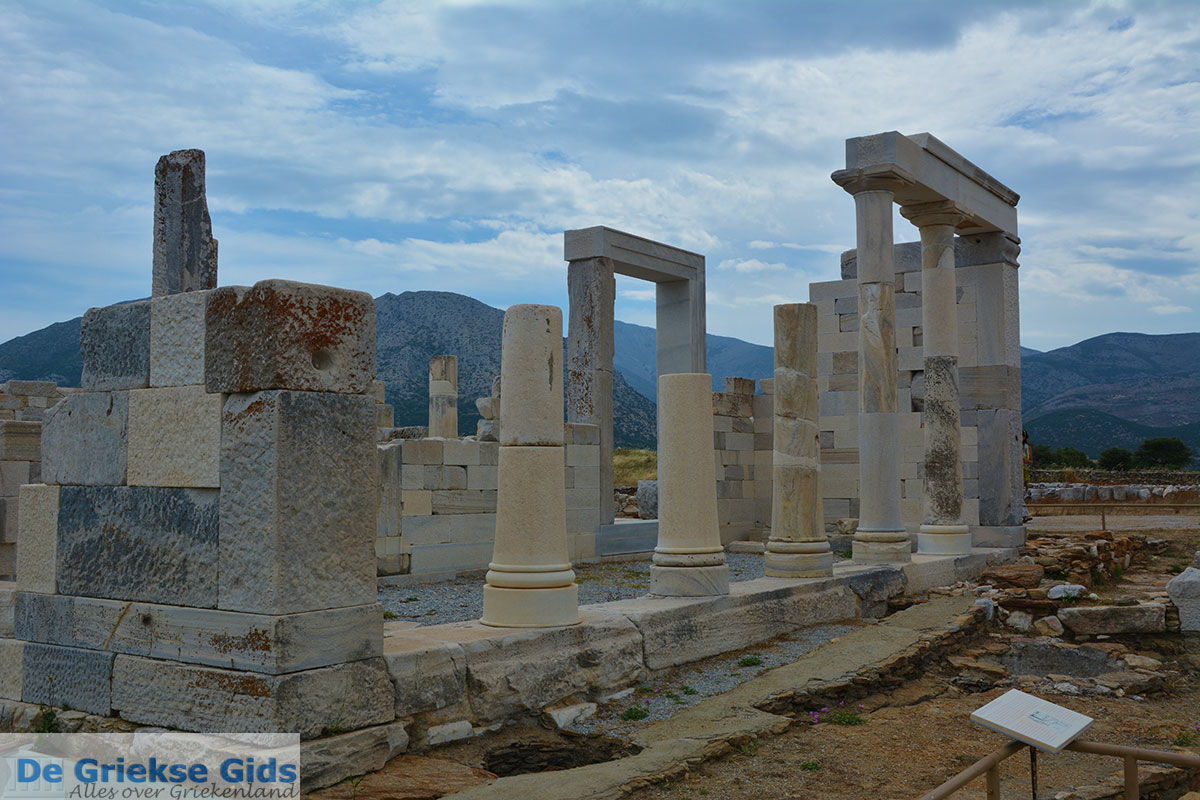
The beautiful sandy beaches, picturesque villages and the many attractions combined with good tourist infrastructure attract many visitors every summer. One of the most famous archaeological sites on this Greek island is the 2,500 year old temple gate (Portara).
The highest mountain of Naxos, Sa, is also the highest mountain of the Cyclades (1,004 meters/3,300 feet). Several underground rivers on the island make the island very fertile. Many residents work in the agricultural sector.
Naxos is famous for marble that is quarried here. Since ancient times Naxos, and the neighboring island of Paros, have been known for good quality marble. Naxos is an island that can serve as base for island hopping. The central location of Naxos, and its connections to the other Cyclades islands makes Naxos an ideal base to explore all the Cyclades and the Aegean Sea.
Video - Naxos Beaches
Naxos Beaches - ©JustGreece.com
Photo Gallery Naxos - Photos of Cyclades
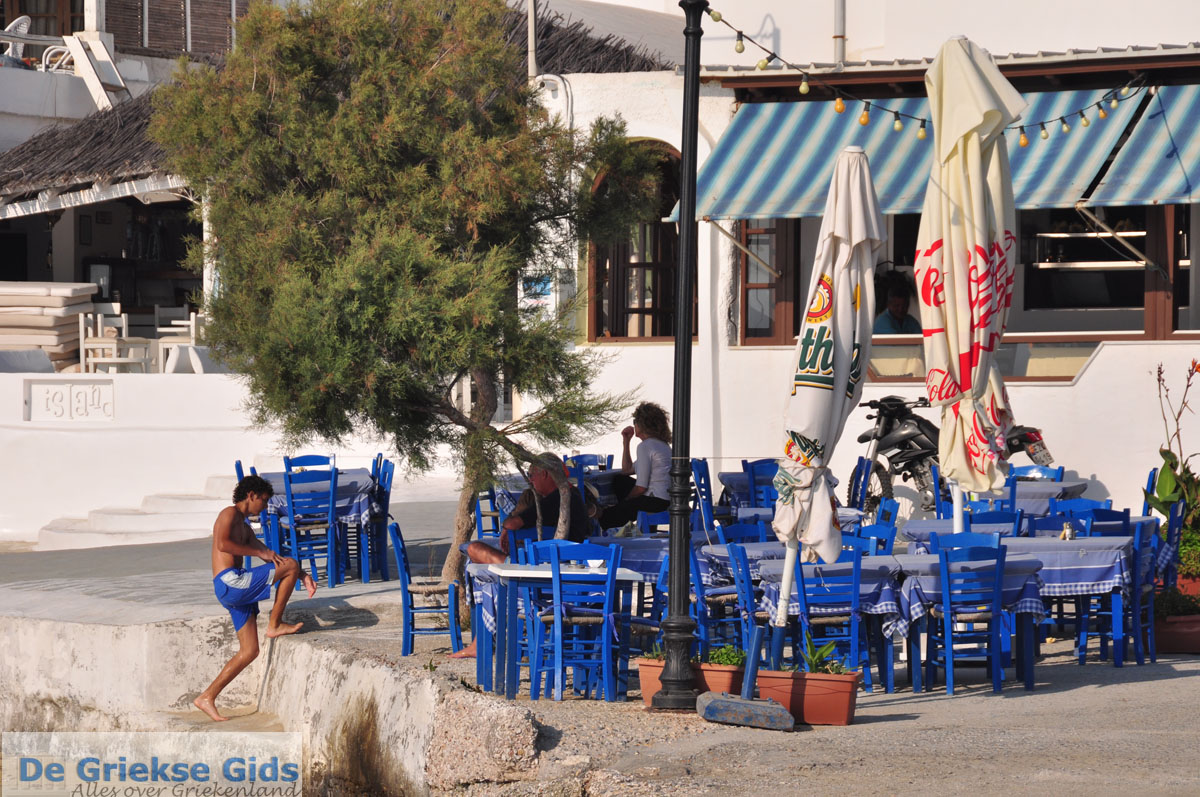
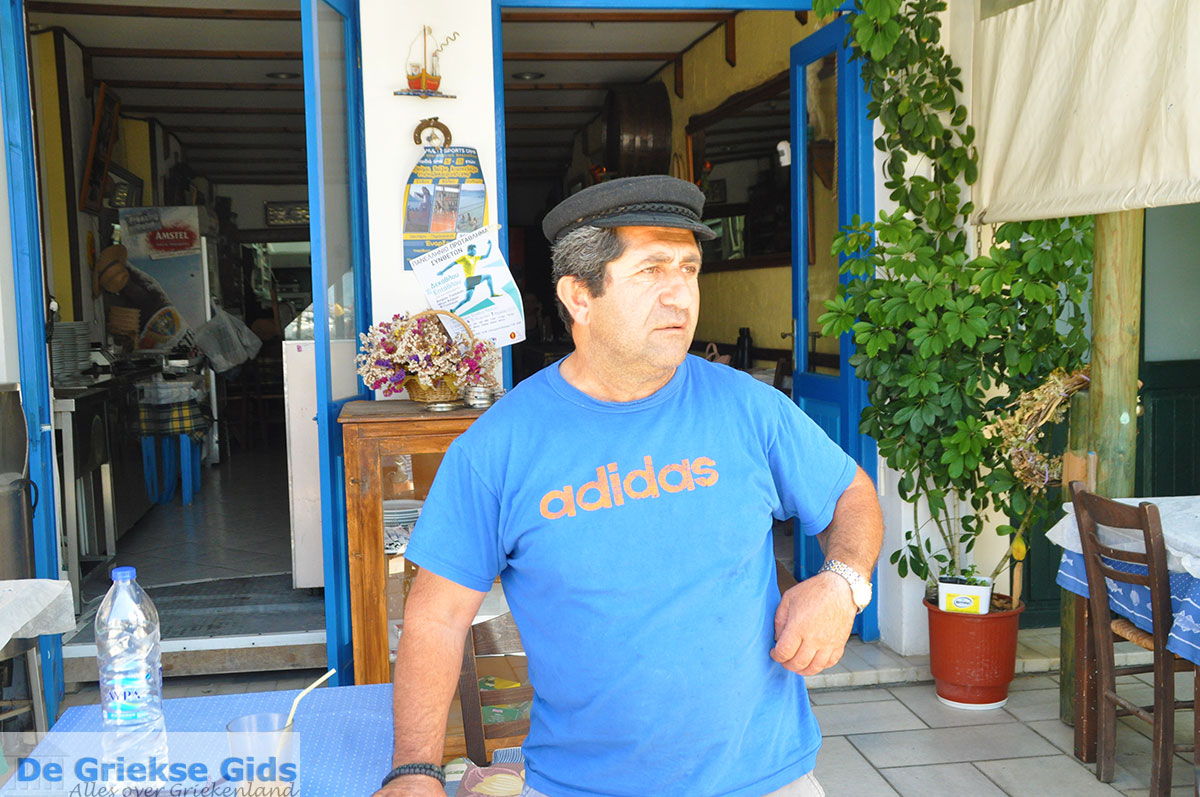
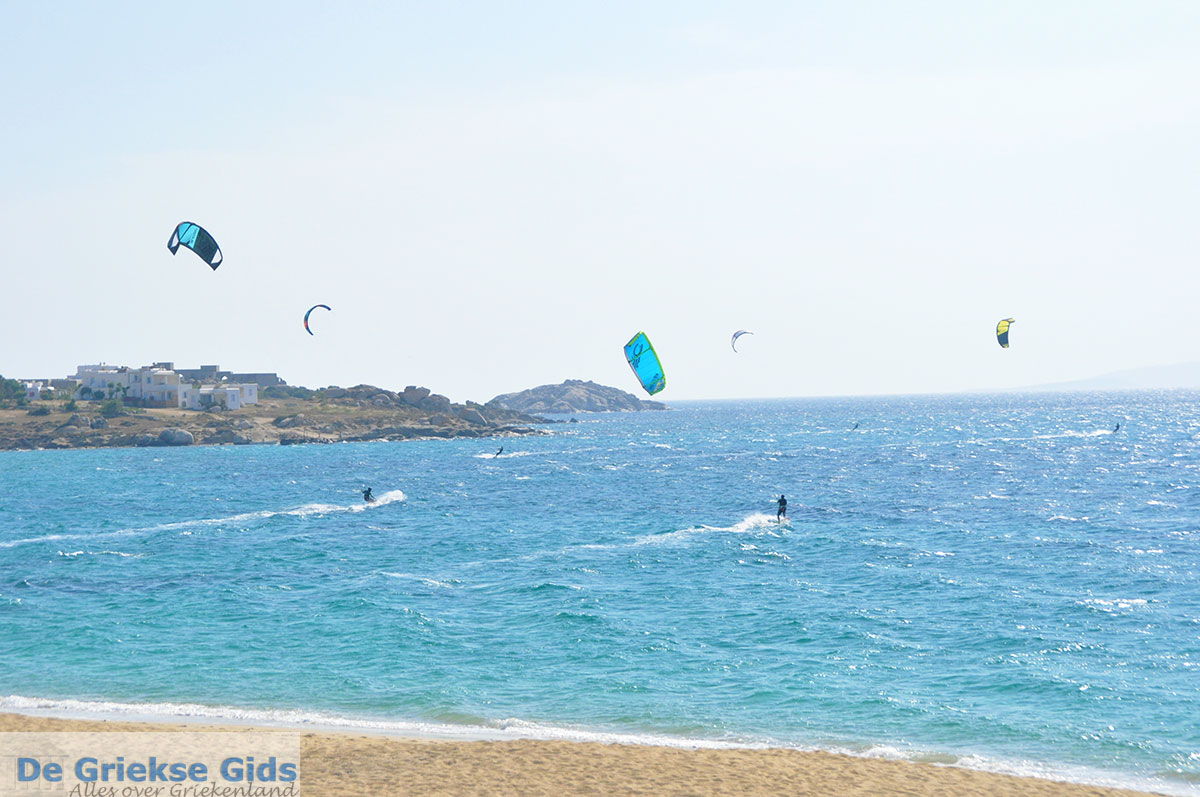
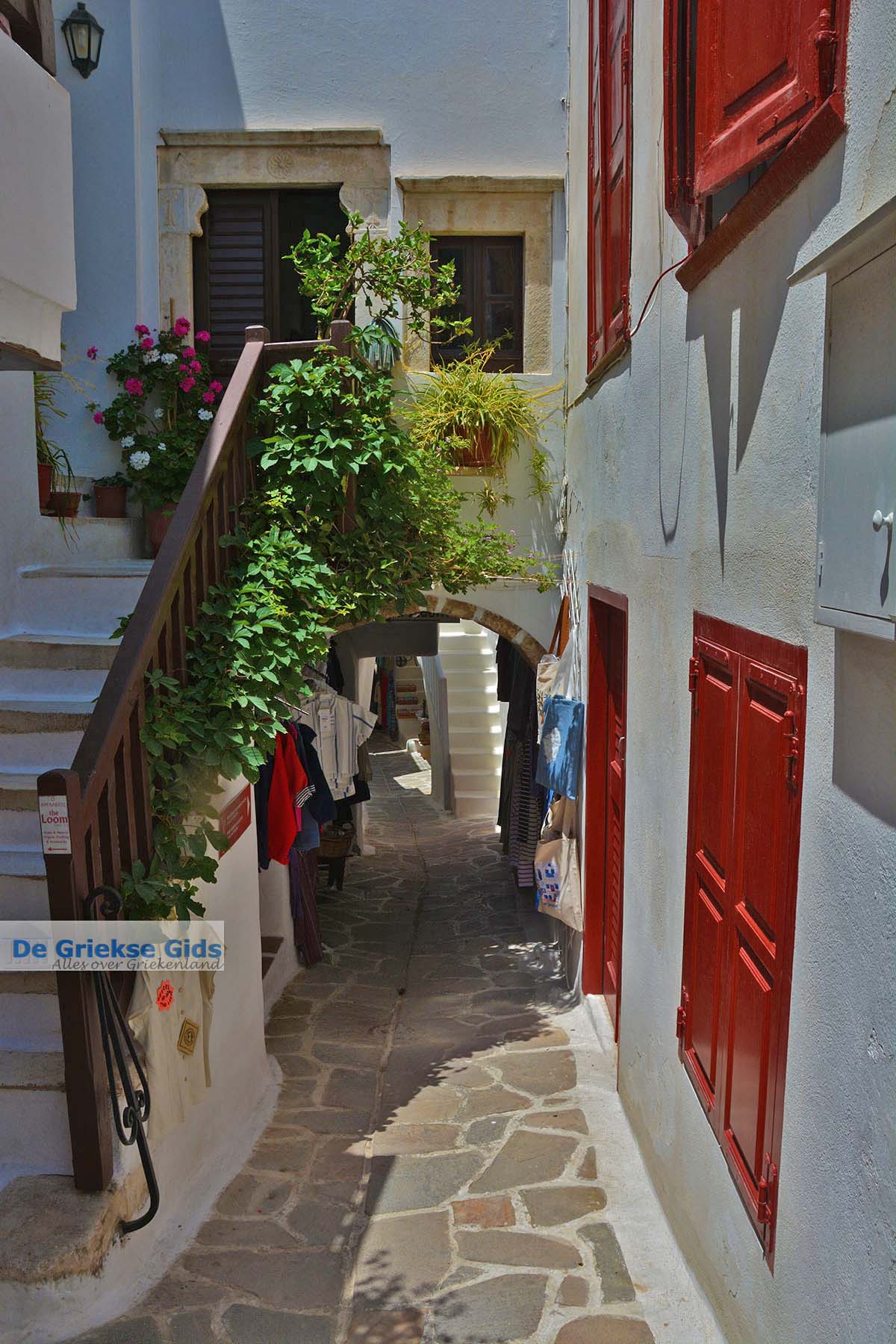
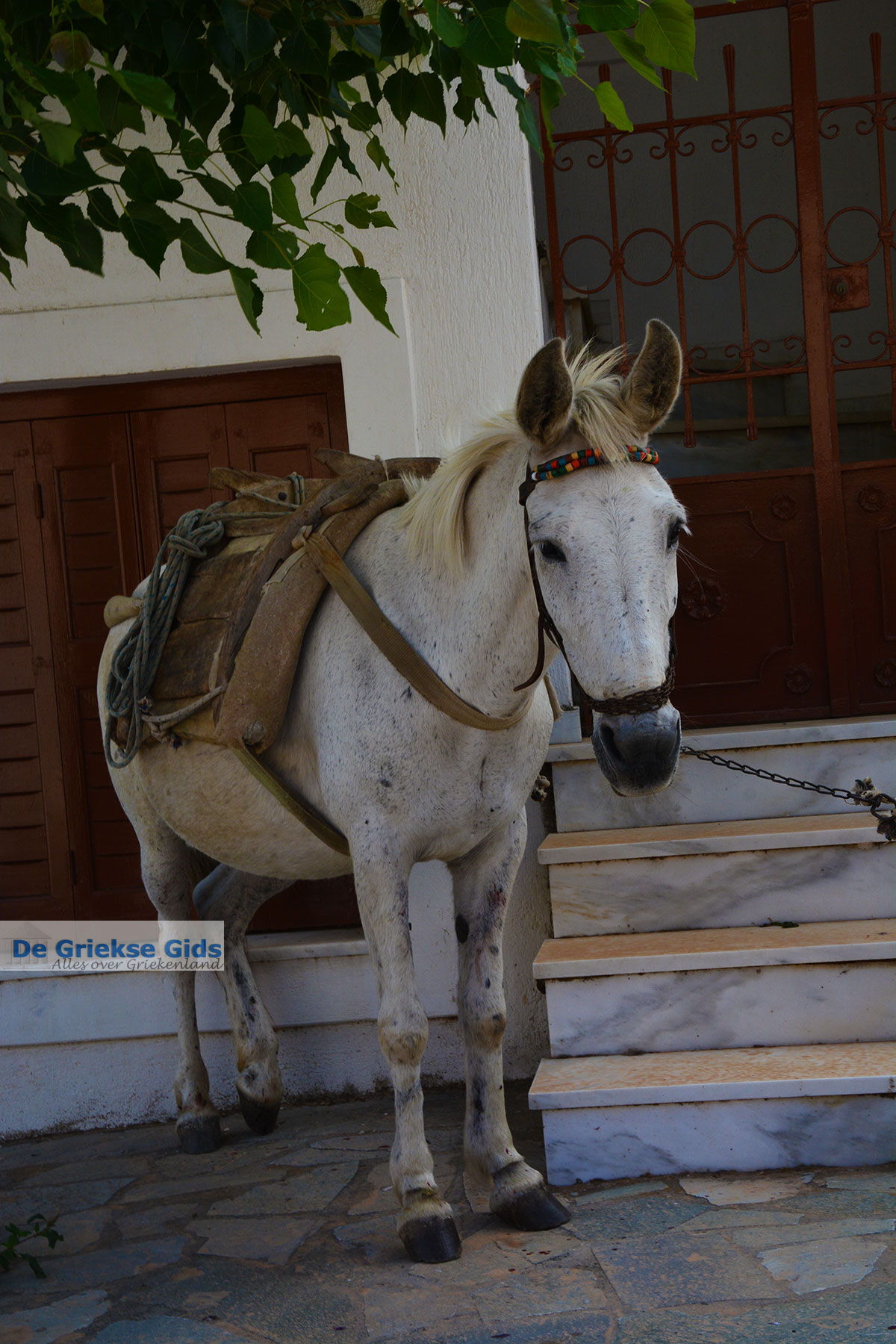
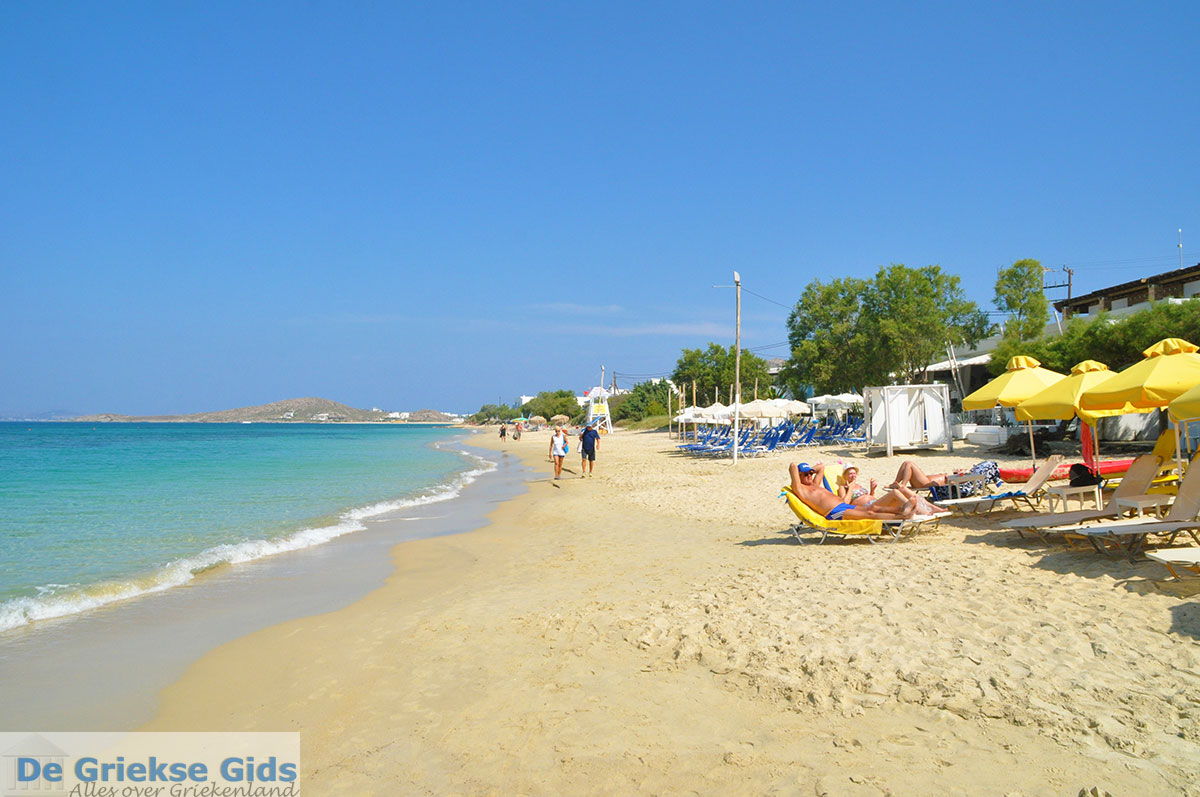


Sights on Naxos
Museums in Naxos town
- The Archaeological Museum of Naxos in Naxos town – With many works of art from the ancient Cycladic civilization.
- Domus Della Rocca-Barozzi Museum - Housed in an old mansion in the castle at the top of the hill, it provides an accurate picture of the civic life of Naxos in the 19th century.
- The old French School where the historical archives of Naxos are housed. The archive is housed within the castle of Naxos and was frequented by the Greek writer Nikos Kazantzakis.
Museums in Apiranthos
- The archaeological museum of Apiranthos.
- The Natural History Museum Apiranthos.
- The folk museum of Apiranthos that is housed in a traditional house, where agriculture and livestock objects from the 19th century can be seen.
- The Museum of Fine Arts Apiranthos where many paintings are displayed.
- The Geological Museum of Apiranthos where all kinds of rocks and stones from throughout the world are exhibited.
Weather forecast Naxos
Sights and tips Naxos island
- The Portara at the entrance to the port of Naxos town. It is the Greek temple of Apollo, dating from the 6th century BC.
- "Grotta," a district near Naxos town, which was built in the Mycenaean period and now lies underwater.
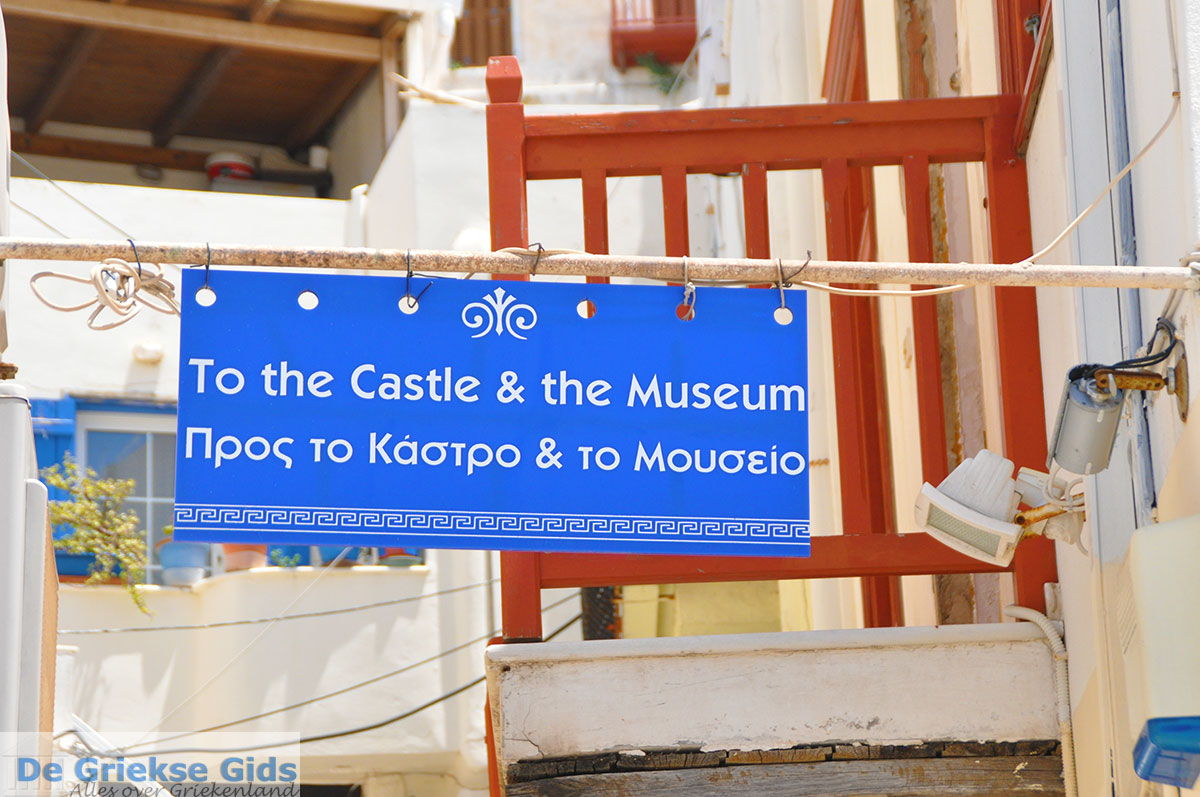
- The castle in the heart of Naxos town, where fine antiquities from the 14th and 15th centuries can be seen.
- The Venetian church, convent and home of the Catholic bishop in the heart of Naxos town.
- About 45 churches, including the Panagia Vlachetnitissa with its stunning templon.
- The Monastery of Aghios Ioannis Theologos.
- The Belonia tower, once the residence of the Venetian lord of the island.
Events that take place on Naxos:
-The Aghios Nikodimos party on July 14th - The biggest party on the island with dancing, drinks and fireworks which are launched from boats.
-Dionysia, a cultural event with concerts and dance, takes place in the 2nd half of July and is organized by the municipality.
The most beautiful beaches of Naxos
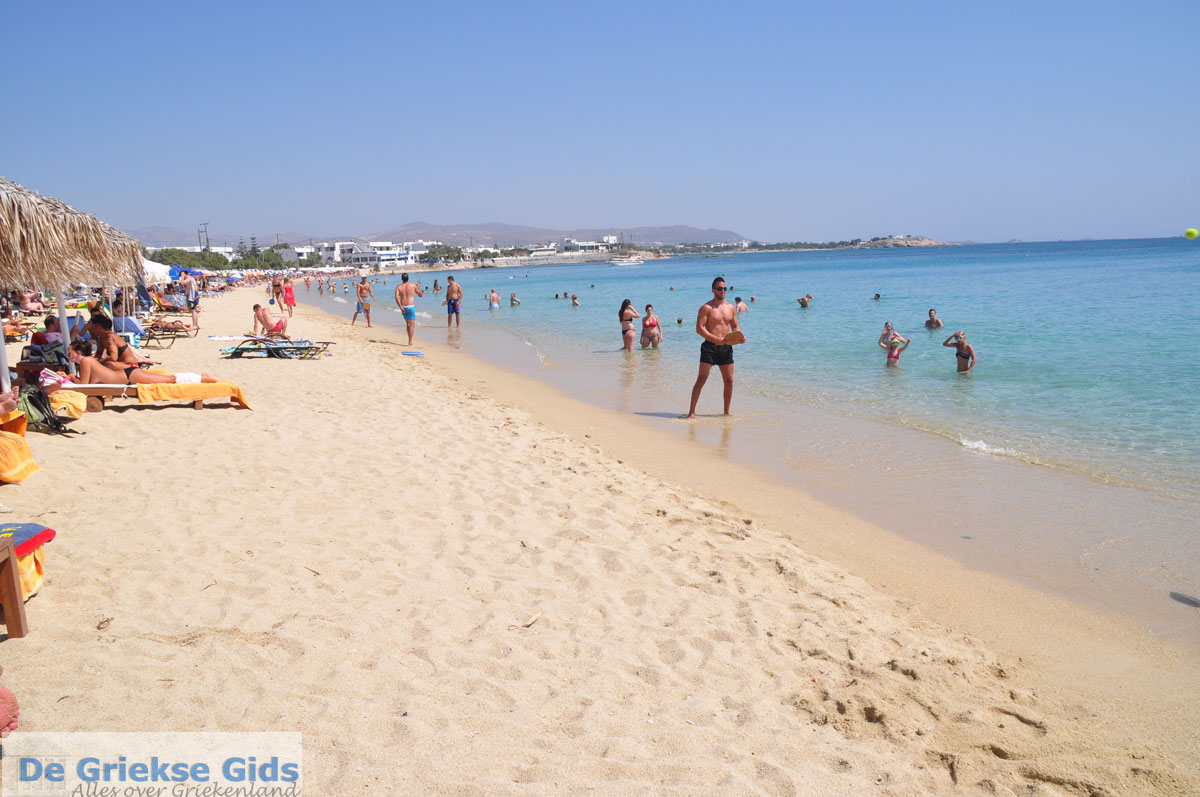
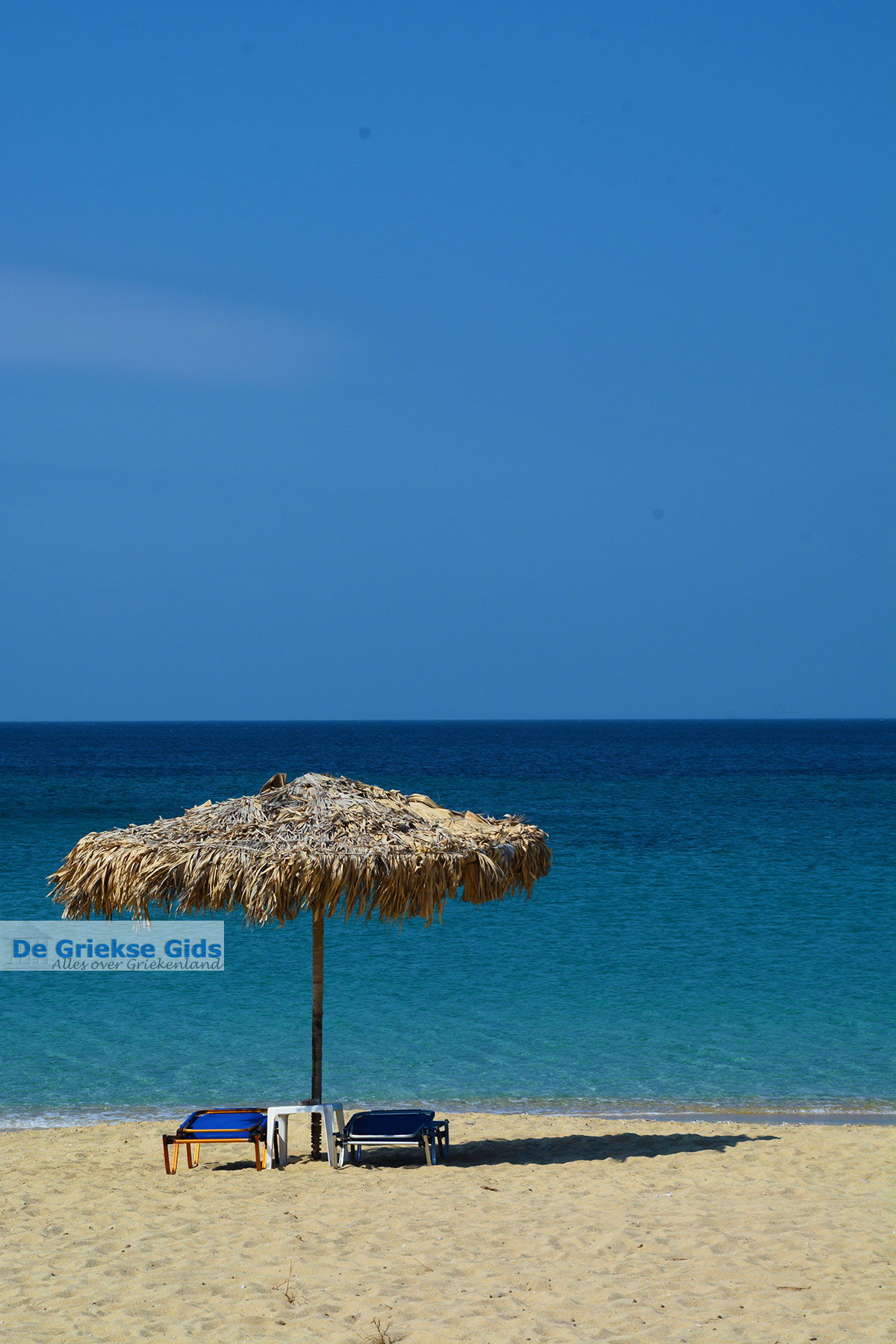
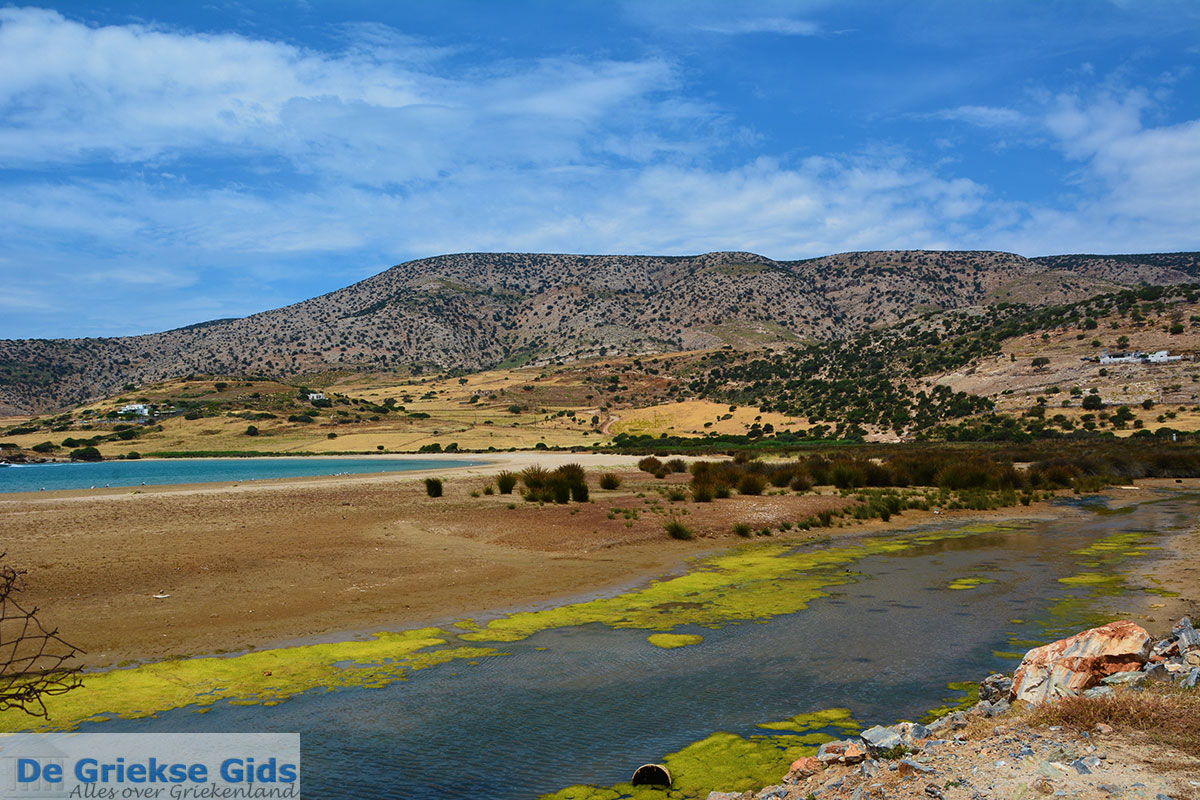
The most beautiful beaches of Naxos are in the west of the island. These are the beaches Naxos, Agia Anna, Plaka and Mikri Vigla.
How to get to Naxos
Naxos has (nearly) daily connections to the ports of Piraeus (Athens), Amorgos, Anafi, Astypalea, Donoussa, Folegandros, Ikaria, Ios, Iraklia, Kalymnos, Kastelorizo, Kos, Koufonissi, Nisyros, Paros, Rhodes, Samos, Santorini, Schinoussa, Sikinos, Syros, Thirasia and Tilos.
Text: Yorgos and Wendy Nikolidakis - Text edited by Katrina Butzer
Naxos in other languages
 Naxos (GriekseGids.nl)
 Naxos (GriekseGids.be)
 Naxos (GreeceGuide.co.uk)
 Naxos (GriechenlandWeb.de)
Naxos: Where on the map is Naxos located?
Naxos
Holidays in Greece