Corfu - Ionian Islands (Greece)
Corfu (Kerkyra or Korfoe or Corfoe). Corfu is a beautiful Greek island in the Ionian sea You can come here by airplane, but also easily by car and boat, via Italy. We have traveled there both ways, once by plane and twice we came by car and boat! Either option is worth repeating.
When approaching Corfu by boat, we saw before us beautiful green everywhere are many trees that reach to the sea. The picturesque villages on the coast, surrounded by green trees, gave the island an enchanting appearance.
There is so much to see and do on Corfu. We advise you to rent a car and drive around the beautiful countryside, along the fantastic beaches, through the wooded mountains and the scenic villages.
Concerning Corfu town; Corfu town is incredible, and one of the nicest and most beautiful towns in Greece. The spectacular forts, houses in Venetian style, impressive squares, narrow alleys and terraces, leave you with unbelievable memories.
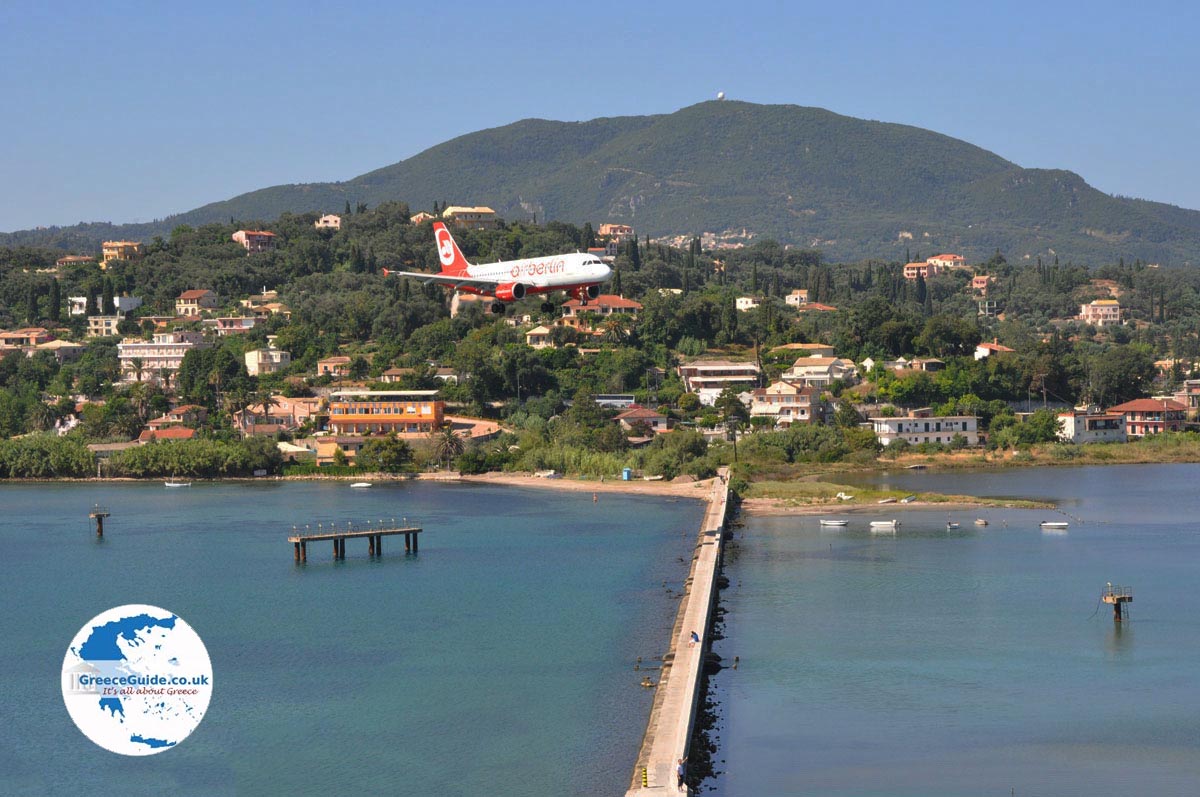
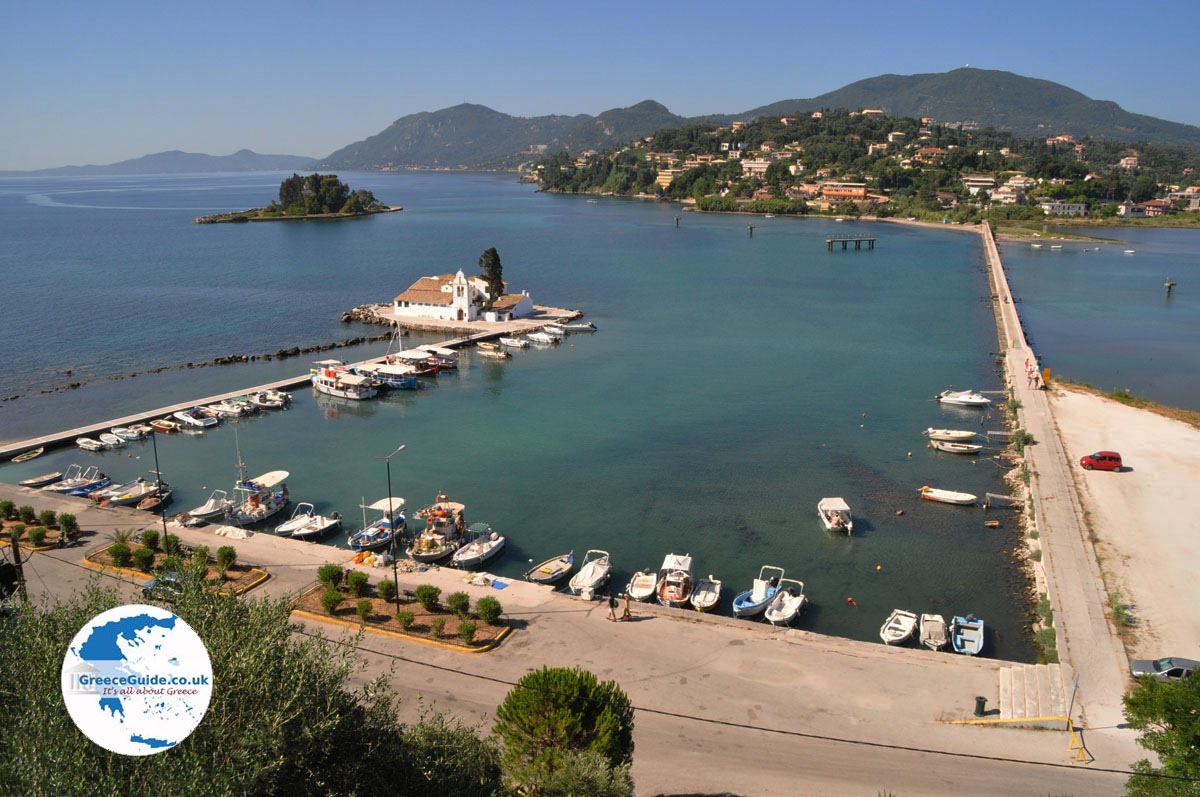
When you are on Corfu, don’t forget to visit the Achillion Palace of Princess Sissi and Kanoni - a place which overlooks the most picturesquely situated church on Corfu and the "mouse island" (Pontikonisi).
Photo Gallery Corfu - Photos of Ionian Islands
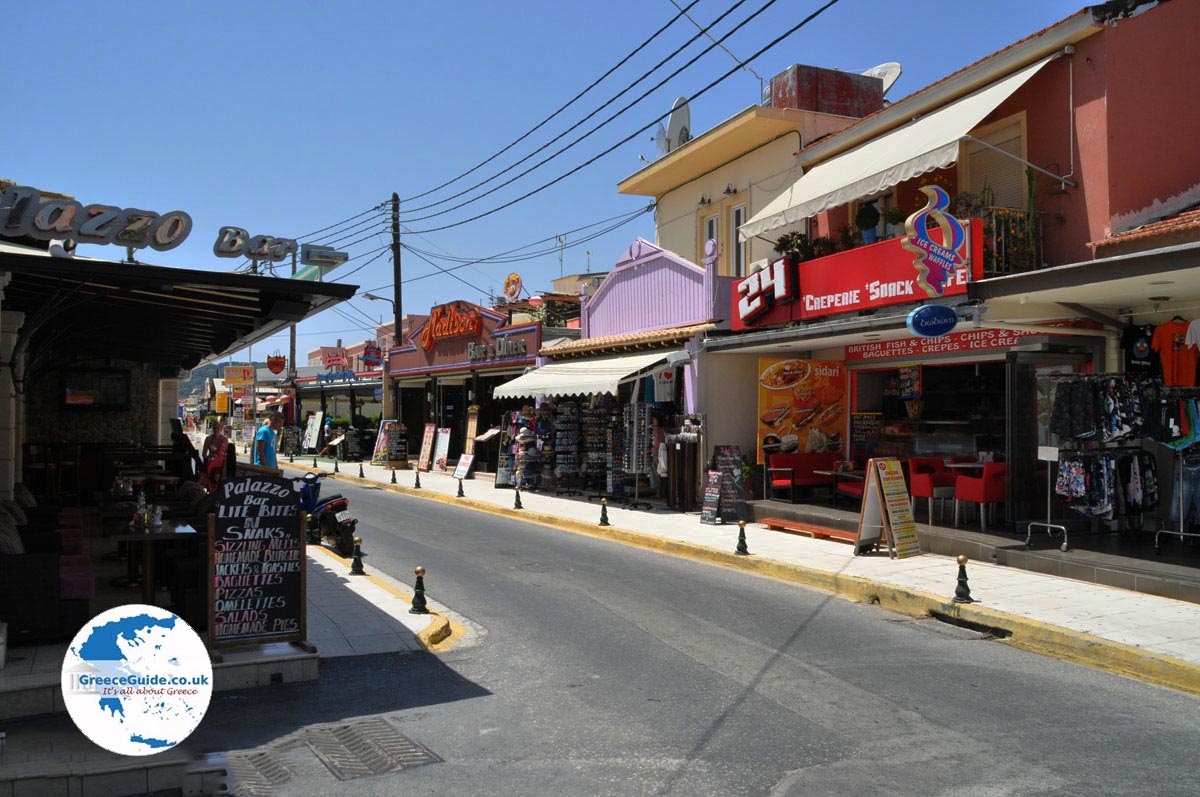
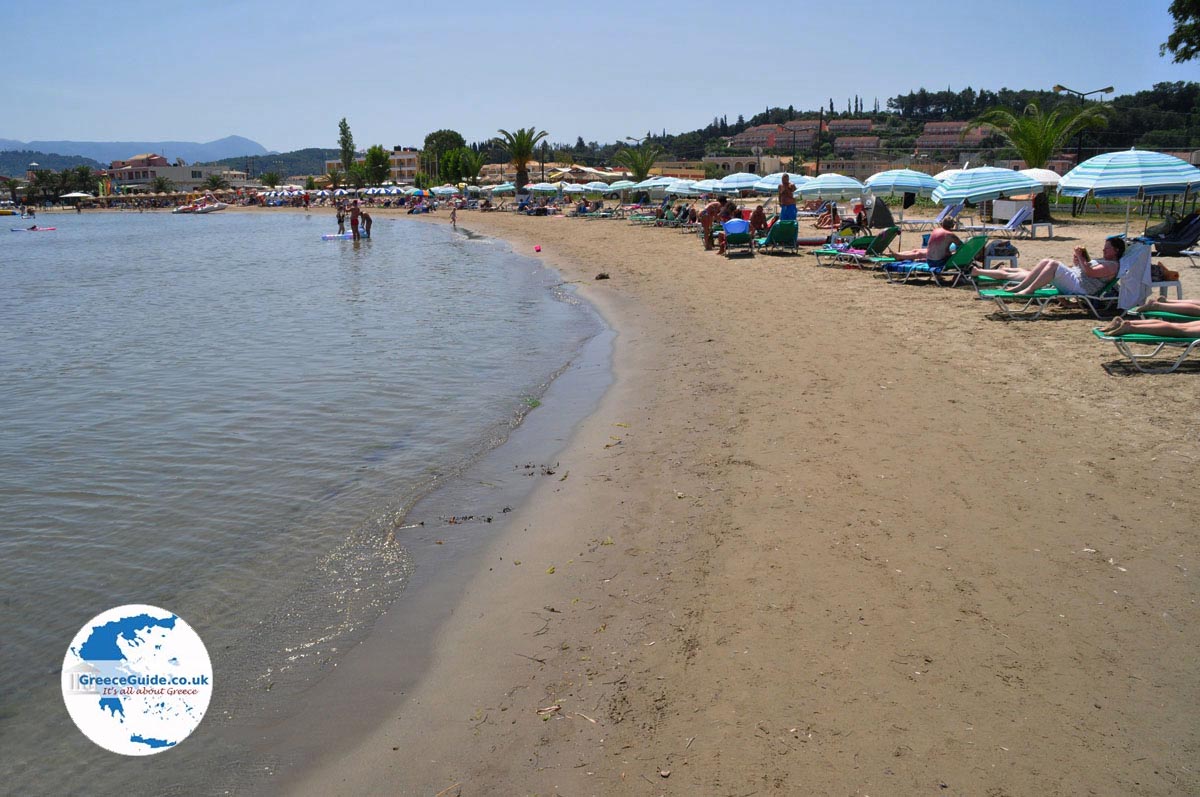
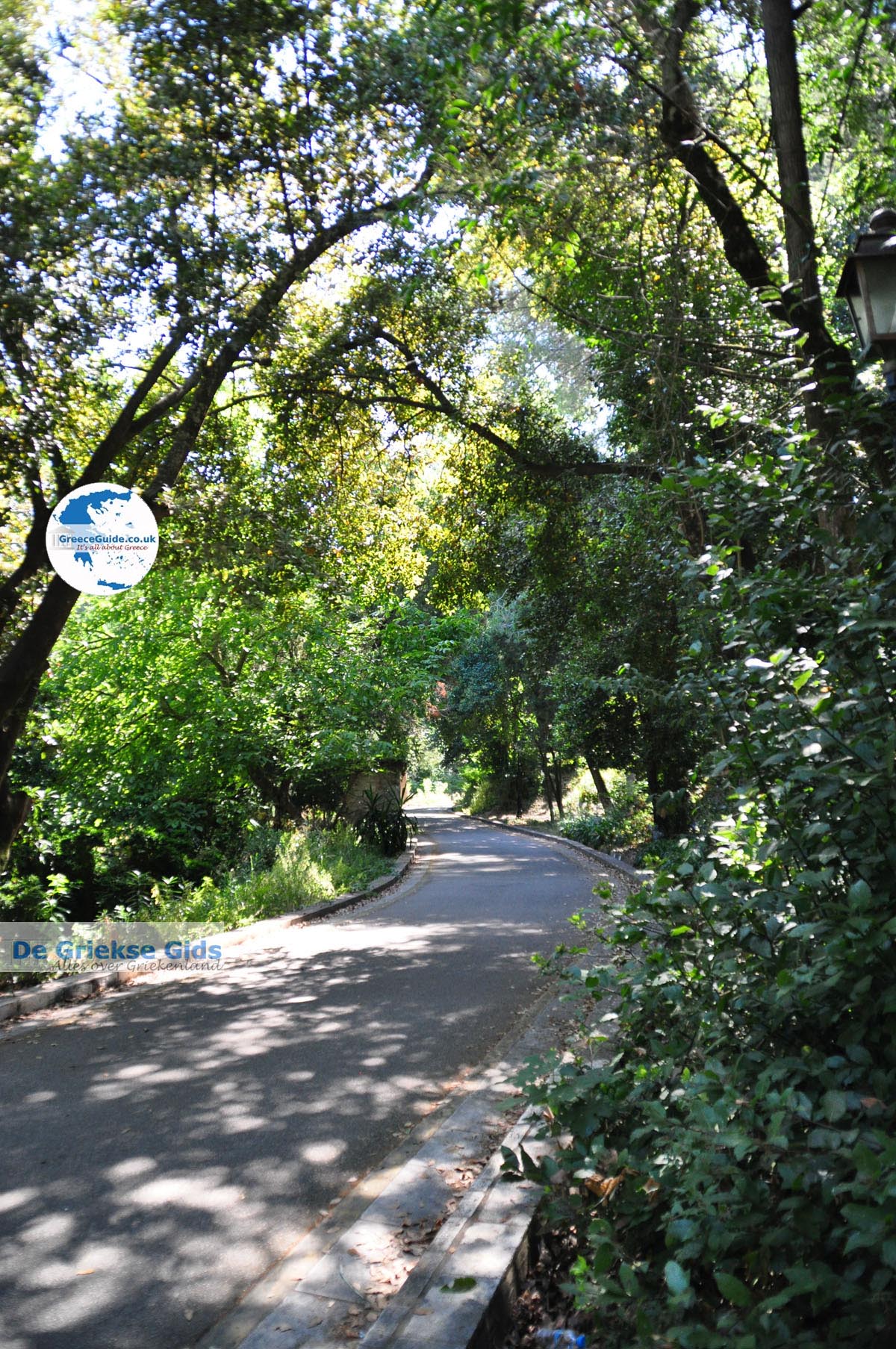
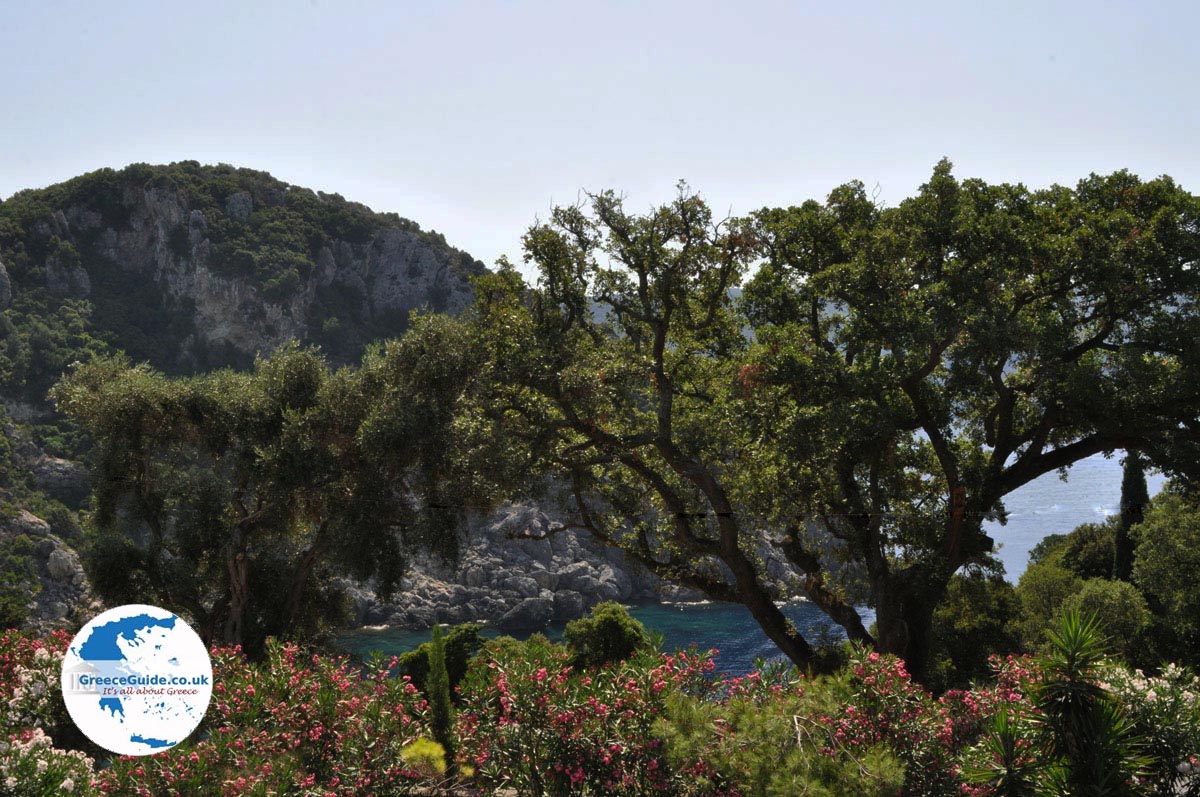
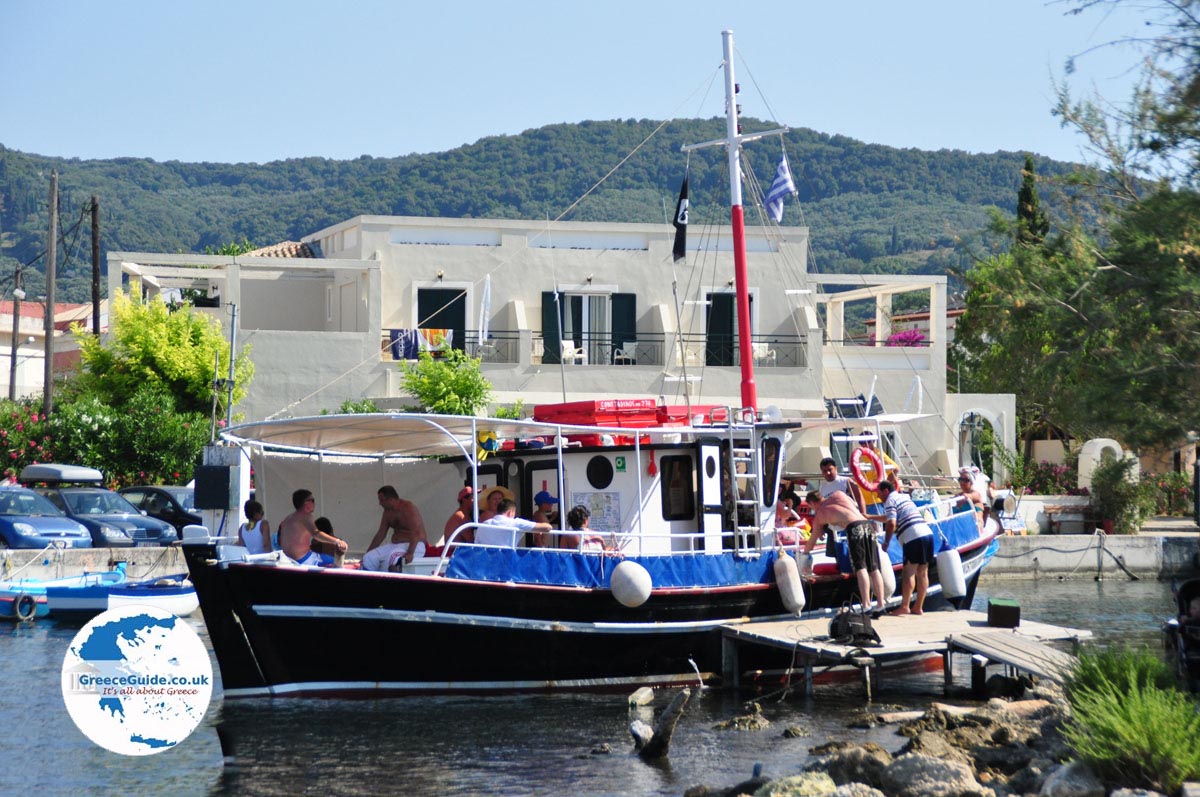
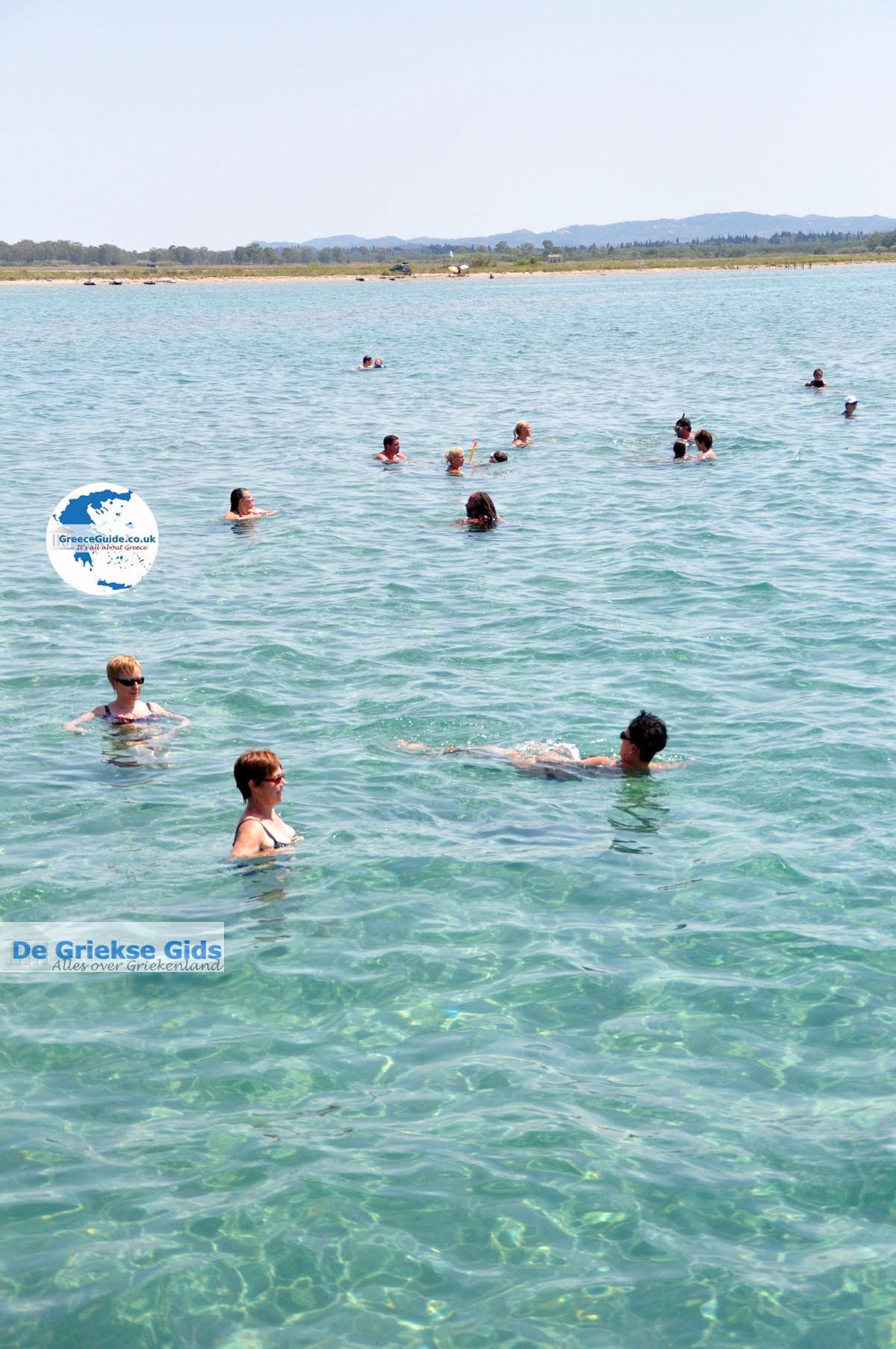
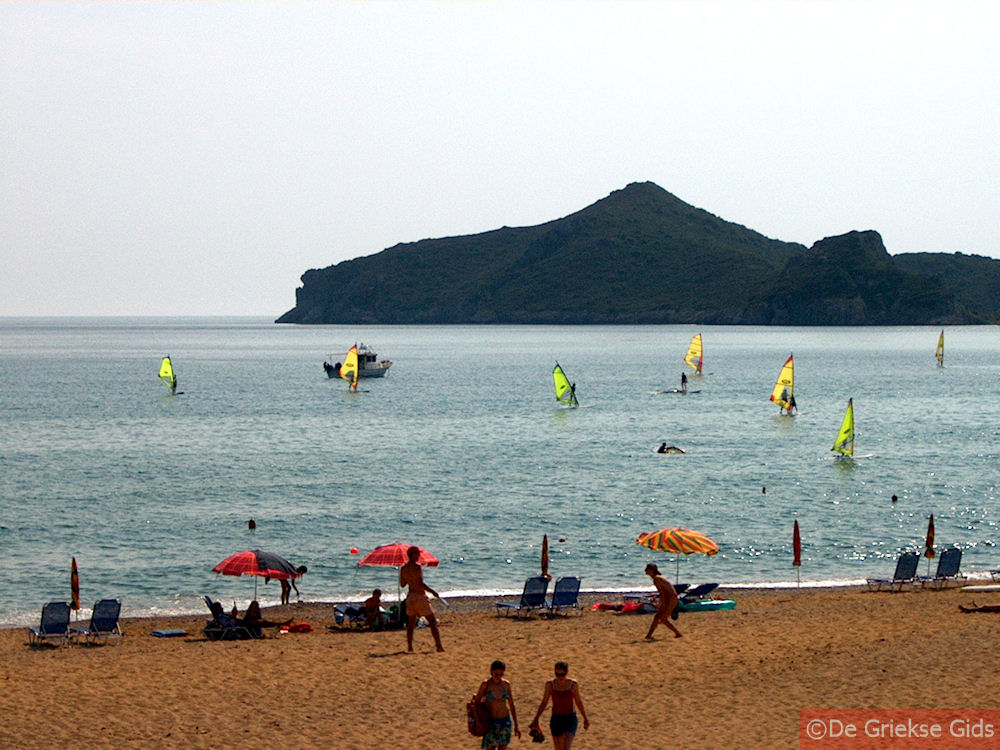
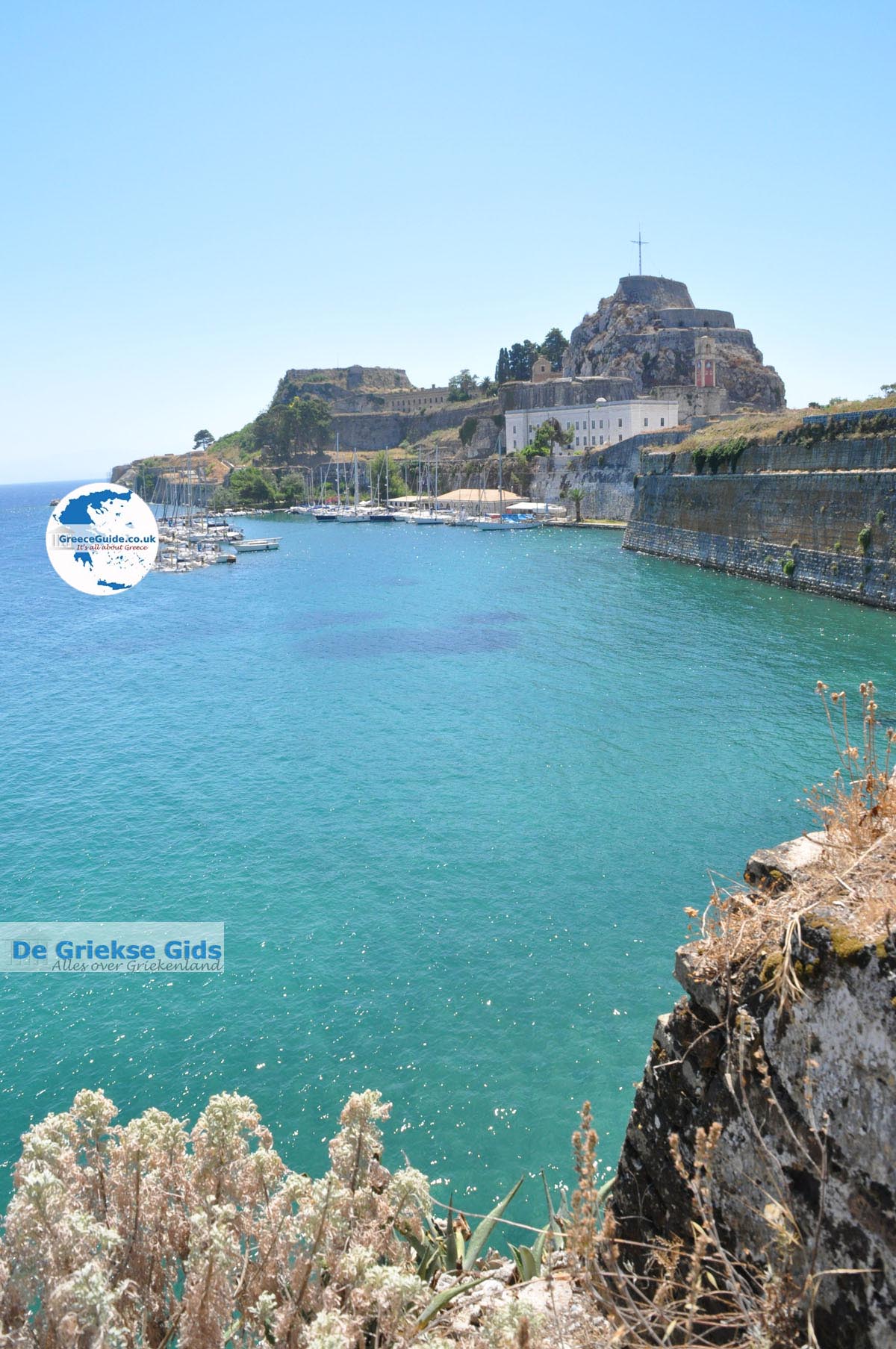
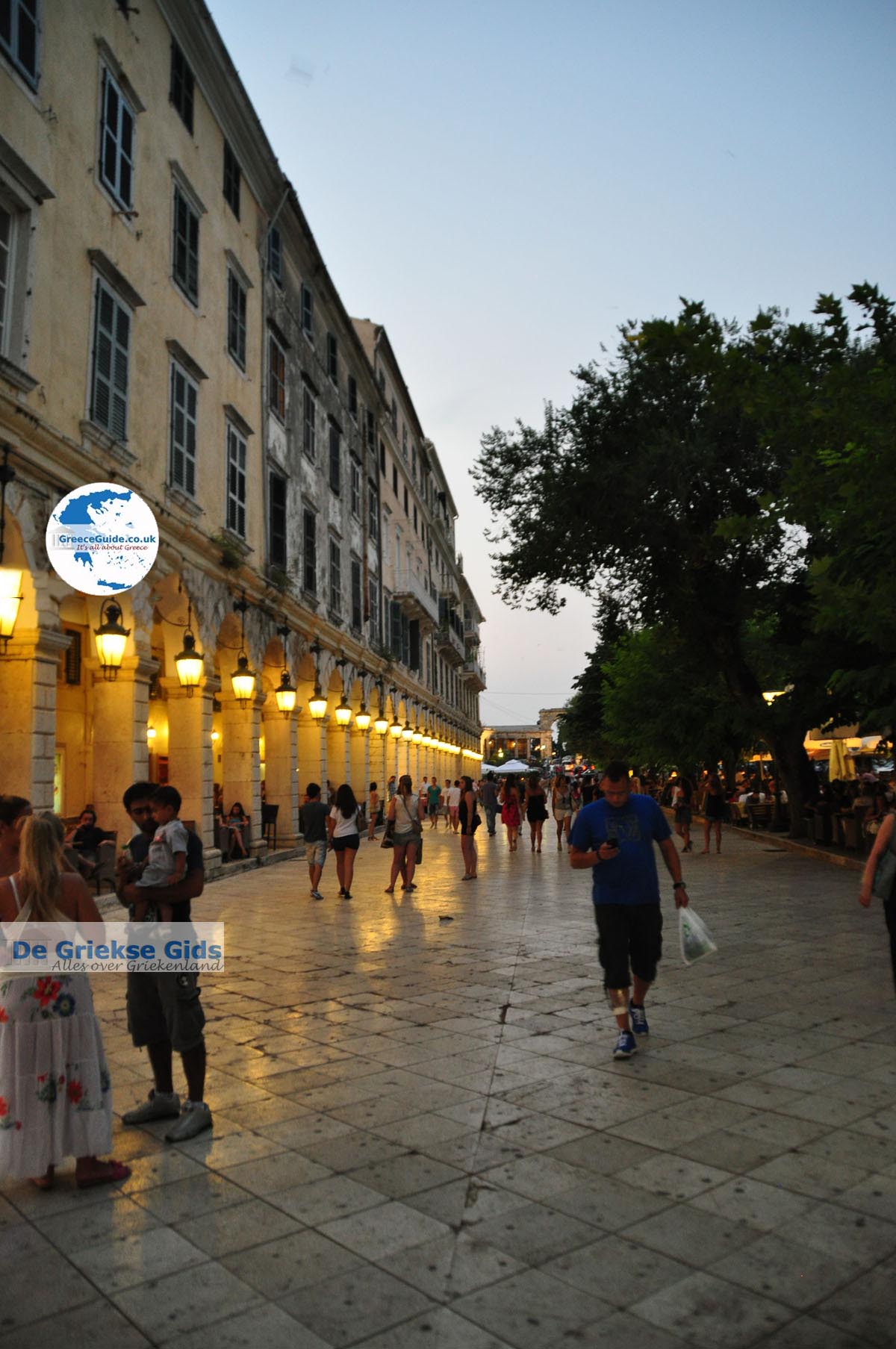
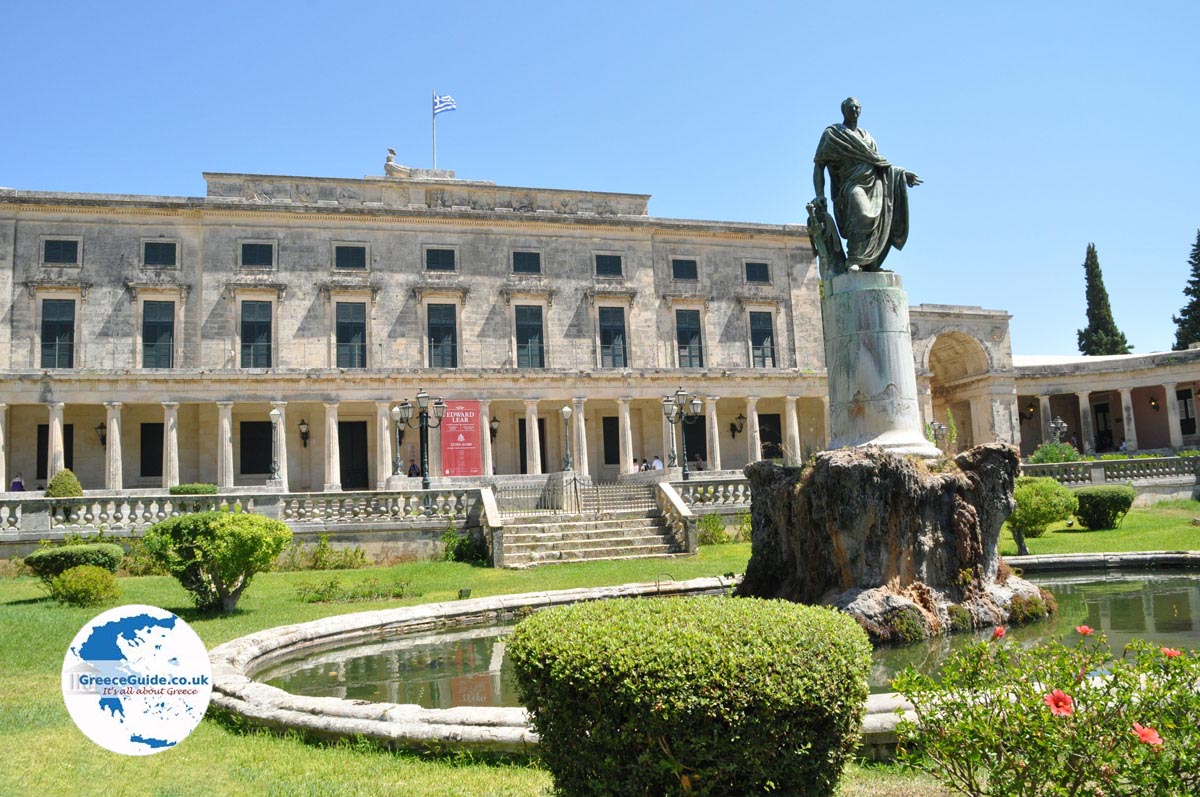
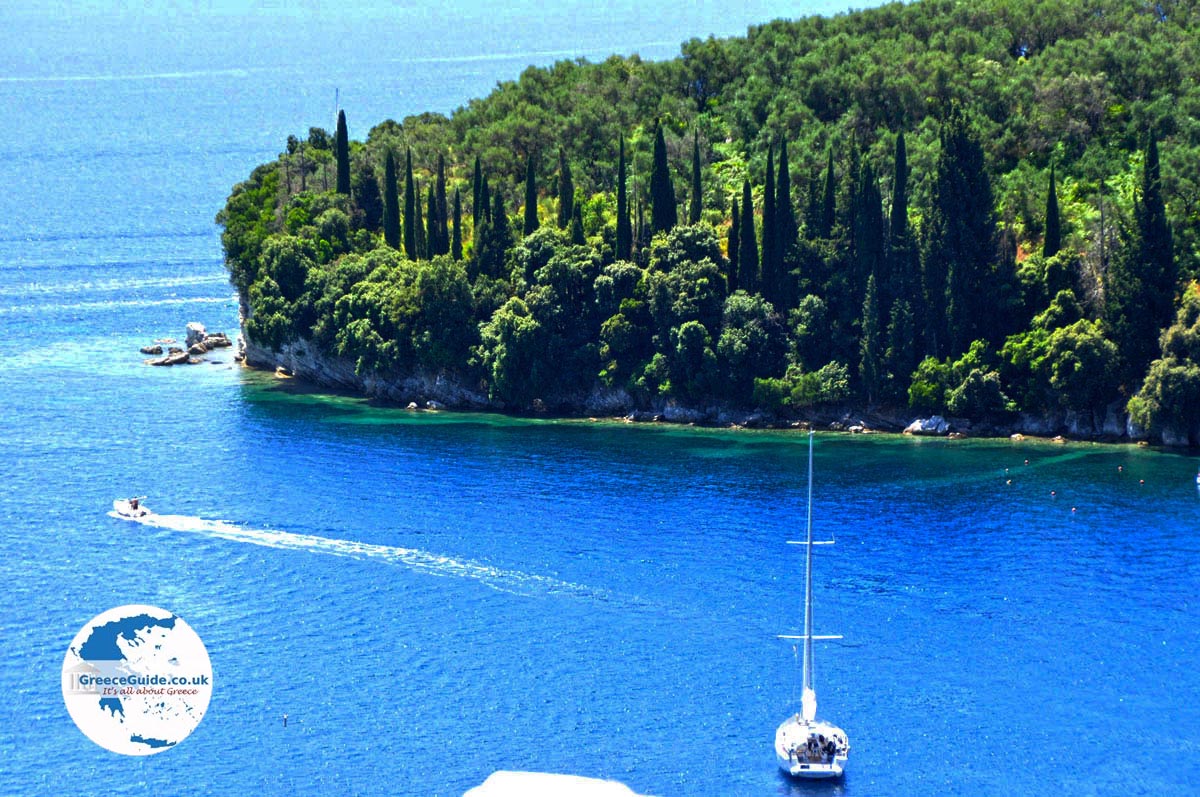
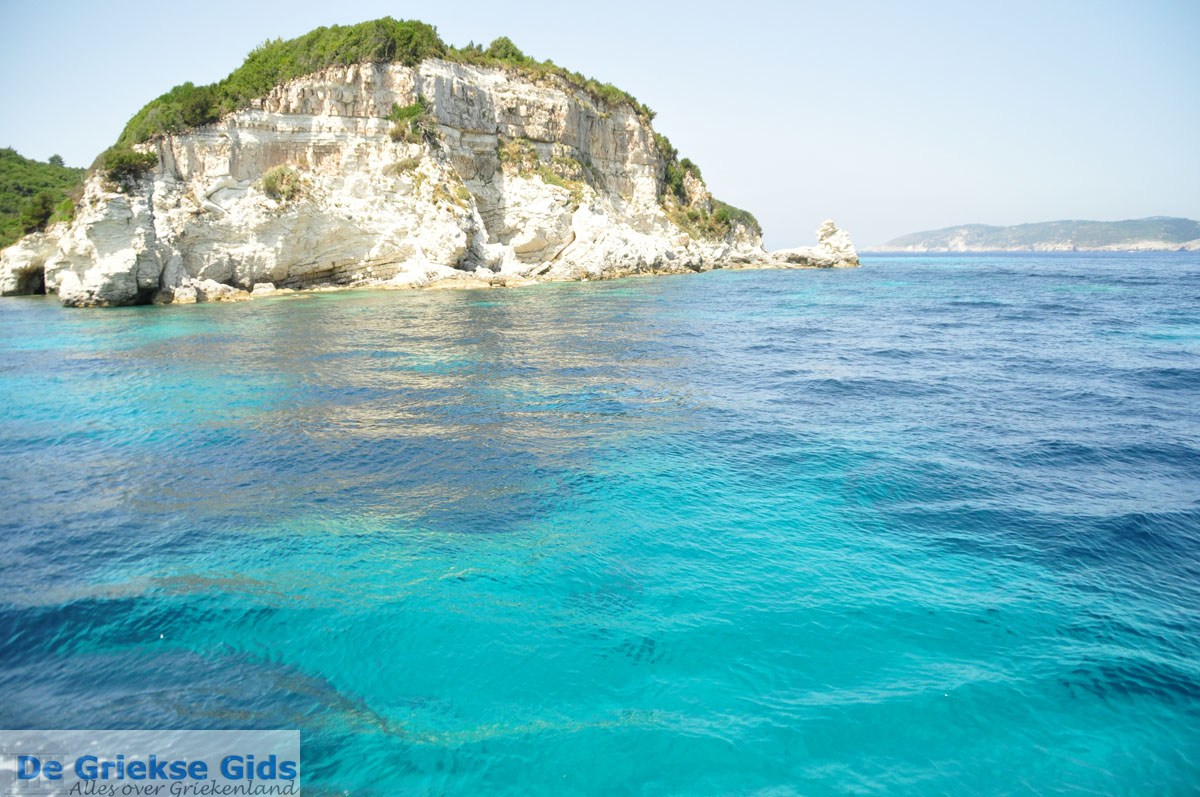
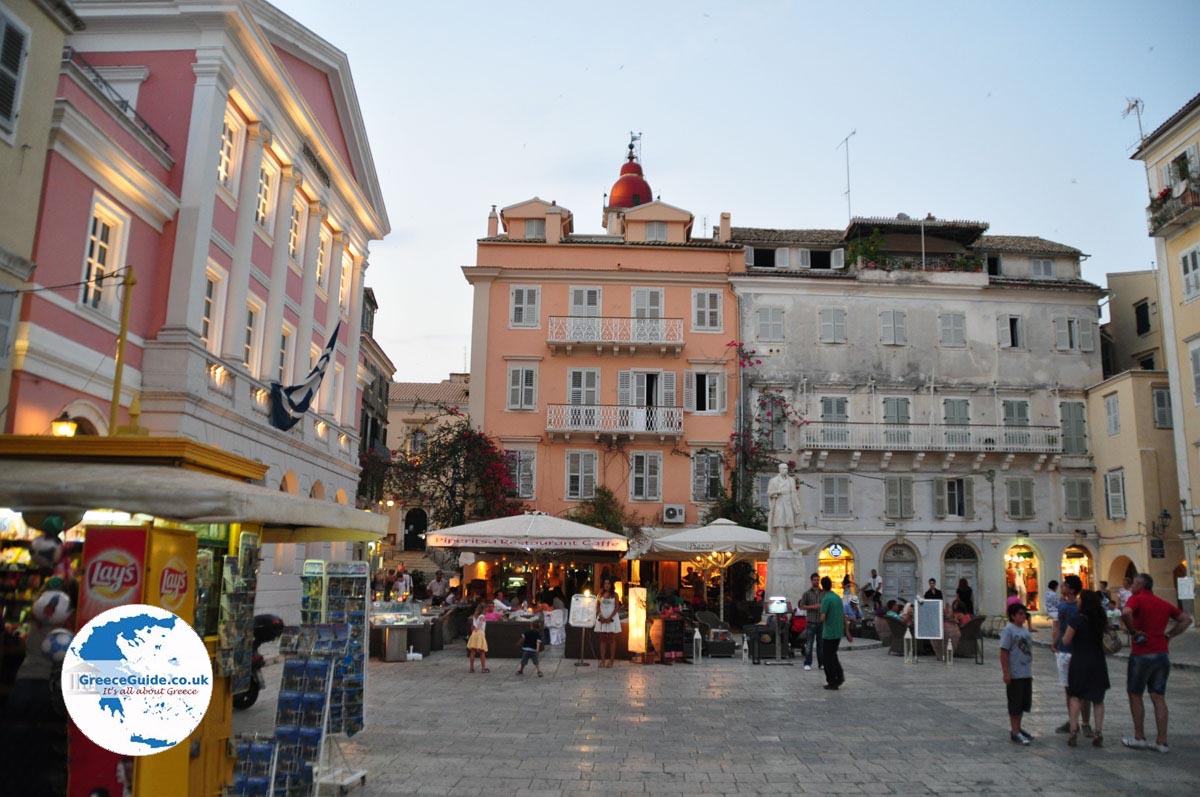


Sights, tips and information Corfu
Corfu Town is a beautiful historical town with much to see and to experience; The forts, the Esplanade, Liston, etc...
Get more about Corfu Town ...
Benitses is a fun, lively resort with lots of taverns, bars and restaurants and a beautiful ...
More about Benitses ...
Kassiopi is a picturesque village with a lovely harbor and a nice beach. It lies in the far northeast of Corfu ....
More about Kassiopi ...
Myrtiotissa Here is one of the most fun filled and pleasant beaches on the island. It is enclosed in a beautiful bay....
More about Myrtiotissa ...
Peroulades is a village in the northwest of the island near Sidari, which has a unique beach with impressive cliffs
more about Peroulades ...
Acharavi is a village in the far north of the island, 38 kilometers (24 miles) from Corfu town ...
More about Acharavi ...
It is said that Glifada in Corfu has the most beautiful sandy beach of Corfu. Glifada is certainly the most popular ...
More about Glifada ...
Kavos has a vibrant nightlife, it is also called the "Hersonissos Crete" of the island of Corfu ...
More about Kavos ...
Nisaki is a small village north of Ypsos. On the beach, boats moor and there it is very cozy ...
More about Nisaki ...
Sidari is best known for the inlets into the rocks carved by the sea. The soft sandstone ...
more about Sidari ...
Agios Gordis is a tourist resort in the west of Corfu with a beautiful wide beach, ideal ...
more about Agios Gordis ...
Kanoni is located south of Corfu town on the homonymous peninsula. From here you have a wonderful view...
more about Kanoni ...
Kouloura is a picturesque fishing-village on the northeast coast of Corfu. It lies in a green bay ...
More about Kouloura ...
Paleokastritsa. This is "the" place to be in Corfu - you have to experience it. The environment here is so beautiful and nice that you get impressed ....
More about Paleokastritsa ...
Ypsos (Ipsos) is a lively seaside town north of Corfu town. Here are plenty of hotels, restaurants, campsites, bars and ...
More about the Ypsos ...
Weather forecast Corfu
Activities on Corfu
Corfu is an island where can create your own vacation. You can sunbathe on the beaches or be actively engaged. With an 18-hole golf course, a number of horseriding schools, various tennis clubs, a cricket tradition which dates back to the early 18th century (regular competitions are held on the field in the center of town), hiking trails, mountain bike trails, and water sports such as diving, sailing and surfing, Corfu offers all kind facilities for sports-minded guests.
Hospitable Corfu
For the locals of Corfu, hospitality is a way of life. The table is covered with food for any guest, there is always a salute to the passer-by and a warm welcome to those who walk in the village. The Corfians are friendly. They love having fun and are willing to make a party of the smallest gathering. The local cuisine exploits the best that nature has to offer, including plenty of fresh fruit, vegetables and seafood.
Nightlife in Corfu
Nights on Corfu come alive, especially in the entertainment district, near the new port in Corfu Town. There are bars and good nightclubs. Everybody is entertained until the early hours of the morning. If you prefer a more quiet evening, there are many seaside taverns, where the only sound is caused by the waves of the sea and the "clink" of glasses (and...jamas!). The nights in Corfu are shining. The sky is filled with stars that seems so bright. There is also another place with a viibrant nightlife, located on the south of Corfu - the famous Kavos.
How to get on Corfu?
1. First of all by airplane
2. By ferry from Italy
3. By ferry from Igoumenitsa (Epirus)
4. In the summer months, Corfu is also connected with other Ionian Islands.
Text: Jorgos and Wendy Nikolidakis - Text edited by Katrina Butzer
Corfu in other languages
 Corfu (GriekseGids.nl)
 Corfu (GriekseGids.be)
 Corfu (GreeceGuide.co.uk)
 Corfu (GriechenlandWeb.de)
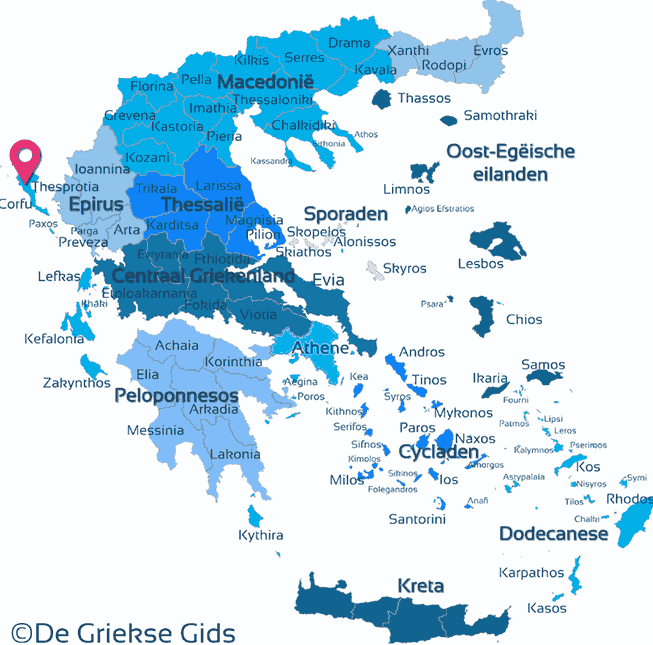
Corfu: Where on the map is Corfu located?
Corfu
Holidays in Greece